
Essential food for cats
Cats are beloved pets all
around the world, but many people don't fully understand their nutritional
needs. As obligate carnivores, cats have unique dietary requirements that are
different from those of other animals. In this article, we will explore the key
nutrients that cats need to thrive, and how to provide them with a healthy and
balanced diet.

Protein
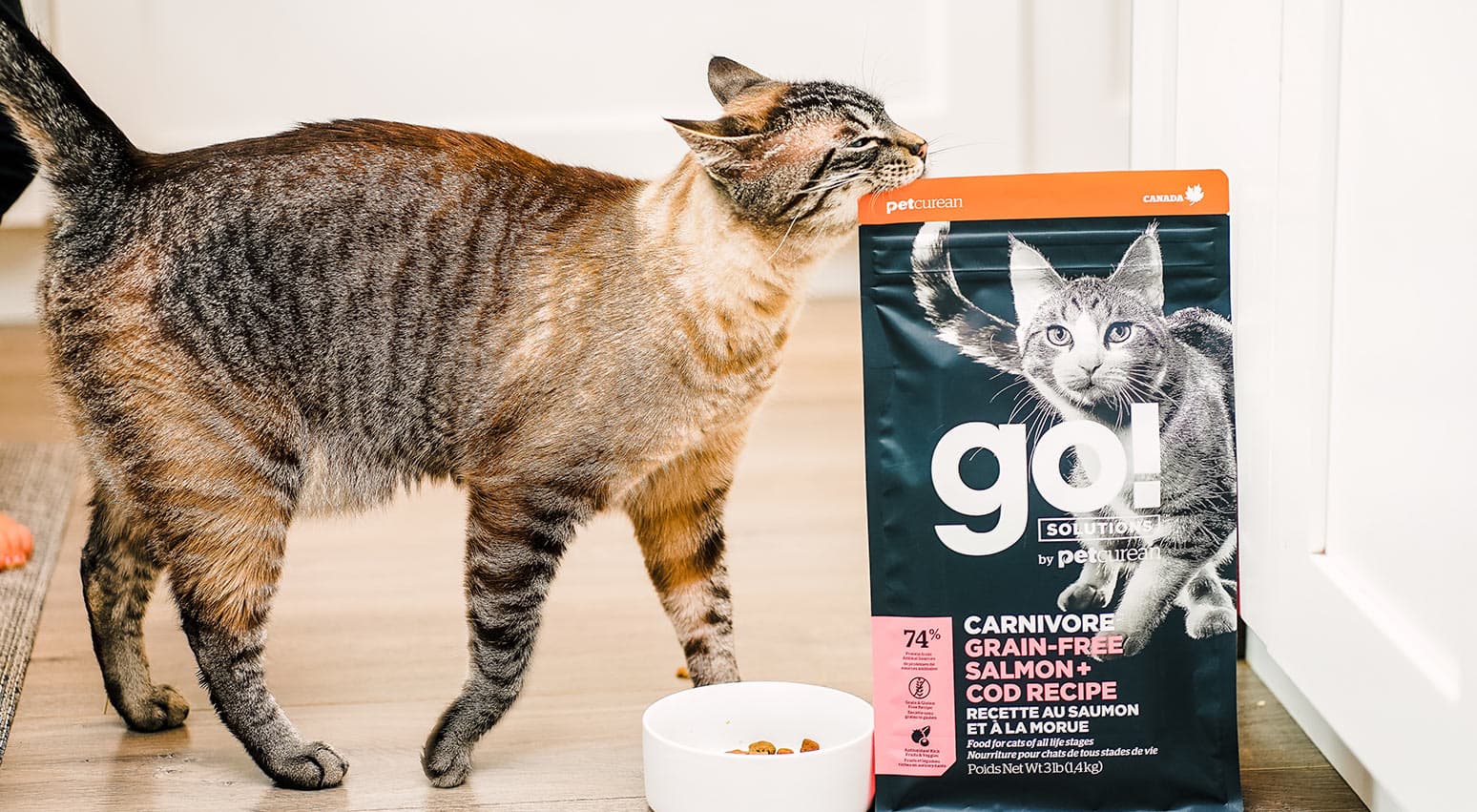
Protein is the foundation
of a cat's diet. Cats are carnivores, which mean they require a high amount of
animal protein in their diet to maintain healthy muscles, skin, and hair.
Protein is also essential for maintaining a healthy immune system. Look for cat
foods that have a protein source listed as the first ingredient, such as
chicken, turkey, or fish. Avoid cat foods that list grains or other plant-based
proteins as the main ingredient, as these are not as beneficial for your cat.
Fats
Fats provide energy and
help cats absorb certain vitamins. Fats from animal sources like chicken or
fish are essential for maintaining healthy skin and a shiny coat. Plant-based
sources of fat, like flaxseed oil, can also be beneficial. However, it's
important to feed your cat the right type and amount of fat, as too much can
lead to obesity and other health problems.

Carbohydrates
While cats don't require
carbohydrates in their diet, some cat foods contain them as a source of energy.
However, too many carbohydrates can be detrimental to a cat's health, so it's
important to choose a cat food with a low carbohydrate content. Many experts
recommend that cats get no more than 10% of their daily calories from
carbohydrates. This can be a challenge, as many cat foods are high in
carbohydrates. Look for cat foods that are grain-free and contain low-glycemic
vegetables like sweet potatoes or green peas.

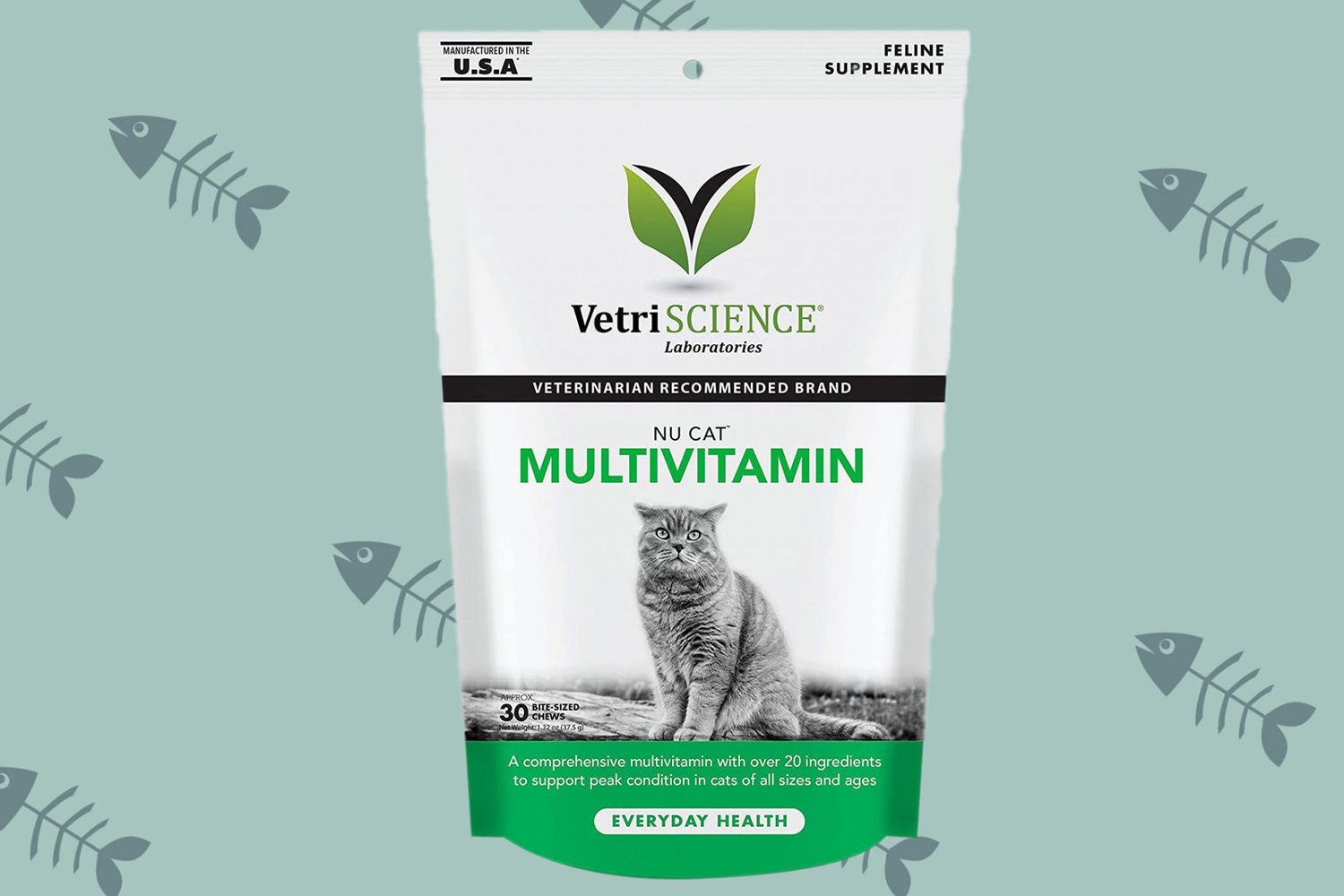
Vitamins and Minerals
Cats require specific
vitamins and minerals in their diet, such as vitamin A, vitamin D, taurine, and
calcium. These nutrients help maintain healthy eyesight, bone strength, and
heart function. Most high-quality cat foods will contain all of these essential
nutrients. However, it's important to make sure that the cat food you choose is
specifically formulated for cats and meets all of their nutritional needs.
Water
Cats require plenty of
water to maintain proper hydration and prevent urinary tract problems. Make
sure your cat has access to fresh, clean water at all times. Consider adding a
water fountain to encourage your cat to drink more water.

Choosing the Right Cat Food
Choosing the right cat food can be a
challenge, as there are so many different options available. Look for cat foods
that are specifically formulated for your cat's age, weight, and health needs.
Kittens require different nutrition than adult cats, and older cats may require
a special diet to address health problems. Always check the ingredients list
and choose a cat food that contains high-quality protein, healthy fats, and
essential vitamins and minerals. Avoid cat foods that contain artificial
colors, flavors, or preservatives.
In conclusion, feeding
your cat a healthy and balanced diet is essential for their overall health and
well-being. As obligate carnivores, cats require a diet that is high in animal
protein and low in carbohydrates. Choosing the right cat food can be a
challenge, but by following these guidelines and consulting with your
veterinarian, you can ensure that your cat gets all of the nutrients they need
to live a happy and healthy life.
