
Babirusa
Introduction
The
babirusa, scientifically known as Babyrousa spp., is a unique and captivating
mammal that inhabits the Indonesian islands of Sulawesi, Togian, Sula, and
Buru. With its intriguing appearance and remarkable behavior, the babirusa has
captured the attention of scientists and wildlife enthusiasts alike. In this
article, we will explore the various aspects of the babirusa, including its
appearance, history, behavior, health, nutrition, grooming, treatment, habitat,
feeding habits, breeding patterns, and ultimately conclude with an appreciation
for this extraordinary creature.
Appearance
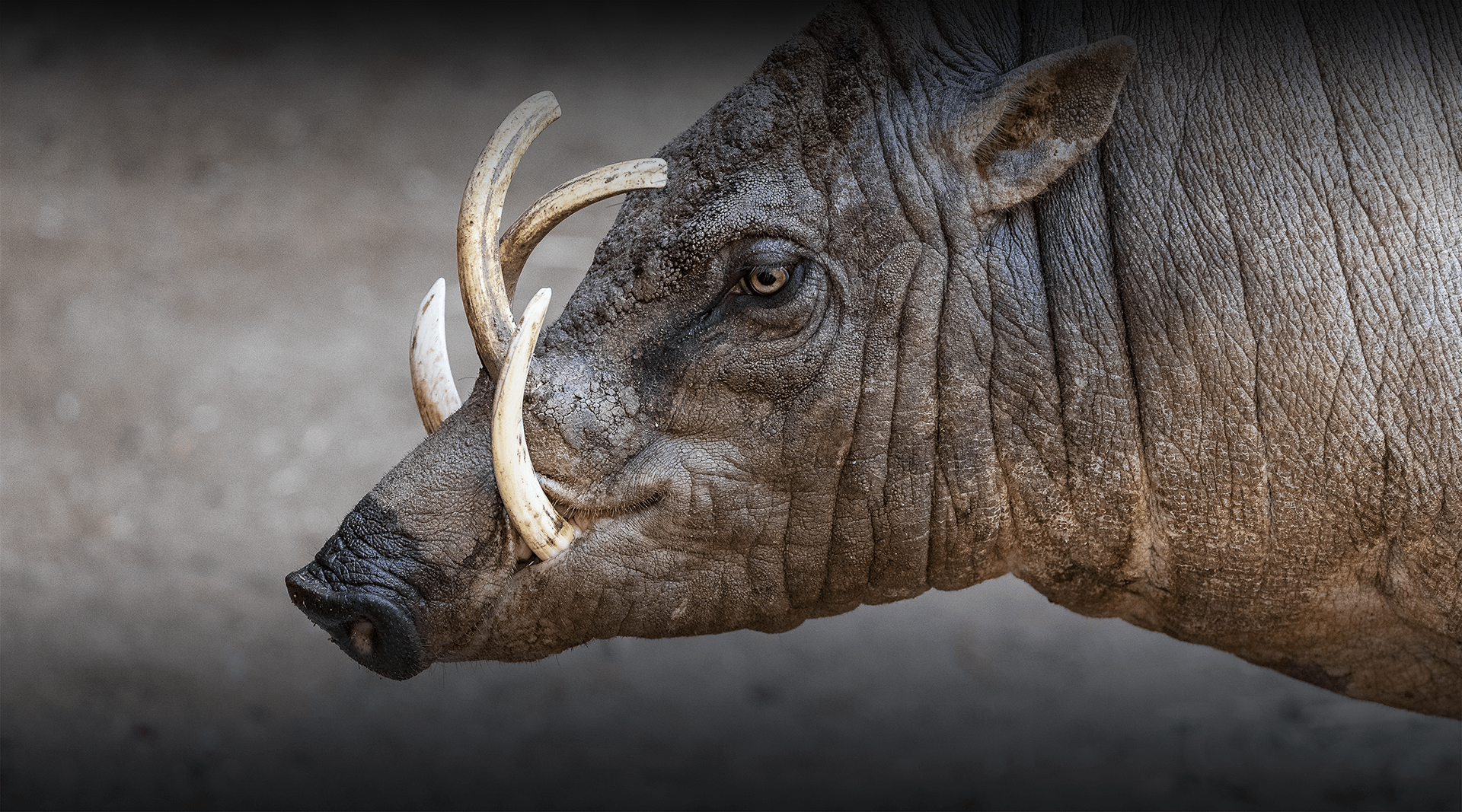
The babirusa
is a medium-sized pig-like animal, characterized by its distinctively long,
upwardly-curving tusks. These tusks are present in both males and females, but
they are more prominent and larger in males. They can grow up to 17 inches (43
cm) long in males and tend to curve back towards the skull, sometimes even
piercing the flesh of the animal's face. The coat of the babirusa ranges in color
from dark gray to black, with sparse hair covering its body. They have a unique
facial structure, with a bulbous snout and large, rounded ears.
History
Babirusas
have a long history in the Indonesian islands. Fossil records suggest that they
have inhabited the region for over a million years. They are believed to have
evolved from common ancestors of pigs and peccaries. These fascinating
creatures have managed to survive despite habitat loss and human encroachment,
primarily due to their adaptability to various forested environments.
Behavior
Babirusas
are primarily solitary creatures, although they are occasionally seen in small
groups. They are known to be highly territorial and use scent marking as a
means of communication. Males engage in ritualized fights to establish
dominance and access to mating opportunities. Babirusas are omnivorous, and
their diet consists of a variety of food sources, including fruits, leaves,
nuts, insects, and occasionally carrion. They are primarily active during the
night and spend their days resting in mud wallows or shady areas.
Health
In terms of
health, babirusas are generally resilient animals. However, they can be
susceptible to diseases and parasites. Regular veterinary check-ups are crucial
to monitor their overall well-being. Conservation efforts have been undertaken
to protect the babirusa population from hunting and habitat destruction, as
these factors can significantly impact their health and survival.
Nutrition
Babirusas
have an omnivorous diet that allows them to adapt to various food sources in
their habitat. They consume a range of fruits, nuts, leaves, roots, and
insects. This versatile feeding behavior helps them survive in changing
environmental conditions. In captivity, they are provided with a balanced diet
consisting of fruits, vegetables, grains, and protein sources to ensure their
nutritional requirements are met.
Grooming and Treatment
Babirusas
engage in self-grooming by rolling in mud wallows, which not only helps them
cool down but also protects their skin from parasites and helps maintain their
coat's cleanliness. In captivity, babirusas are cared for by trained
professionals who ensure their well-being through proper nutrition, veterinary
care, and a suitable environment that mimics their natural habitat.
Habitat and Feeding
Babirusas
are found in various forested habitats, including tropical rainforests and
lowland forests, on the Indonesian islands. They require access to freshwater
sources such as rivers or pools for drinking and mud wallowing. These creatures
are highly adaptable and can survive in both primary and secondary forests,
provided there is enough food and suitable shelter available.
Breeding
Babirusas
reach sexual maturity between 2 to 3 years of age. Mating usually occurs during
the dry season when food is abundant. Females give birth to a single offspring
after a gestation period of around 150 to 158 days. The young babirusa, called
a piglet, is precocial and capable of walking shortly after birth. The mother
takes care of her young until it becomes independent, which typically occurs
after 6 to 8 months.
Conclusion
The babirusa
is a fascinating creature that stands out for its distinctive appearance,
unique behavior, and historical significance. As an endemic species to the
Indonesian islands, the babirusa faces challenges related to habitat loss and
hunting. It is essential to promote conservation efforts to protect this
remarkable species and ensure its long-term survival. By raising awareness and
supporting initiatives that preserve their natural habitat, we can contribute
to safeguarding the babirusa for generations to come.
Babirusa Videos
