
Avocet Bird
Introduction
The avocet
is a distinctive and elegant wading bird known for its slender, upward-curving
bill and long legs. Belonging to the family Recurvirostridae, the avocet is
characterized by its black and white plumage, making it a visually striking
species. In this article, we will delve into the various aspects of the avocet,
including its appearance, history, behavior, health, nutrition, grooming,
treatment, habitat, feeding habits, breeding, and provide a conclusion.
Appearance
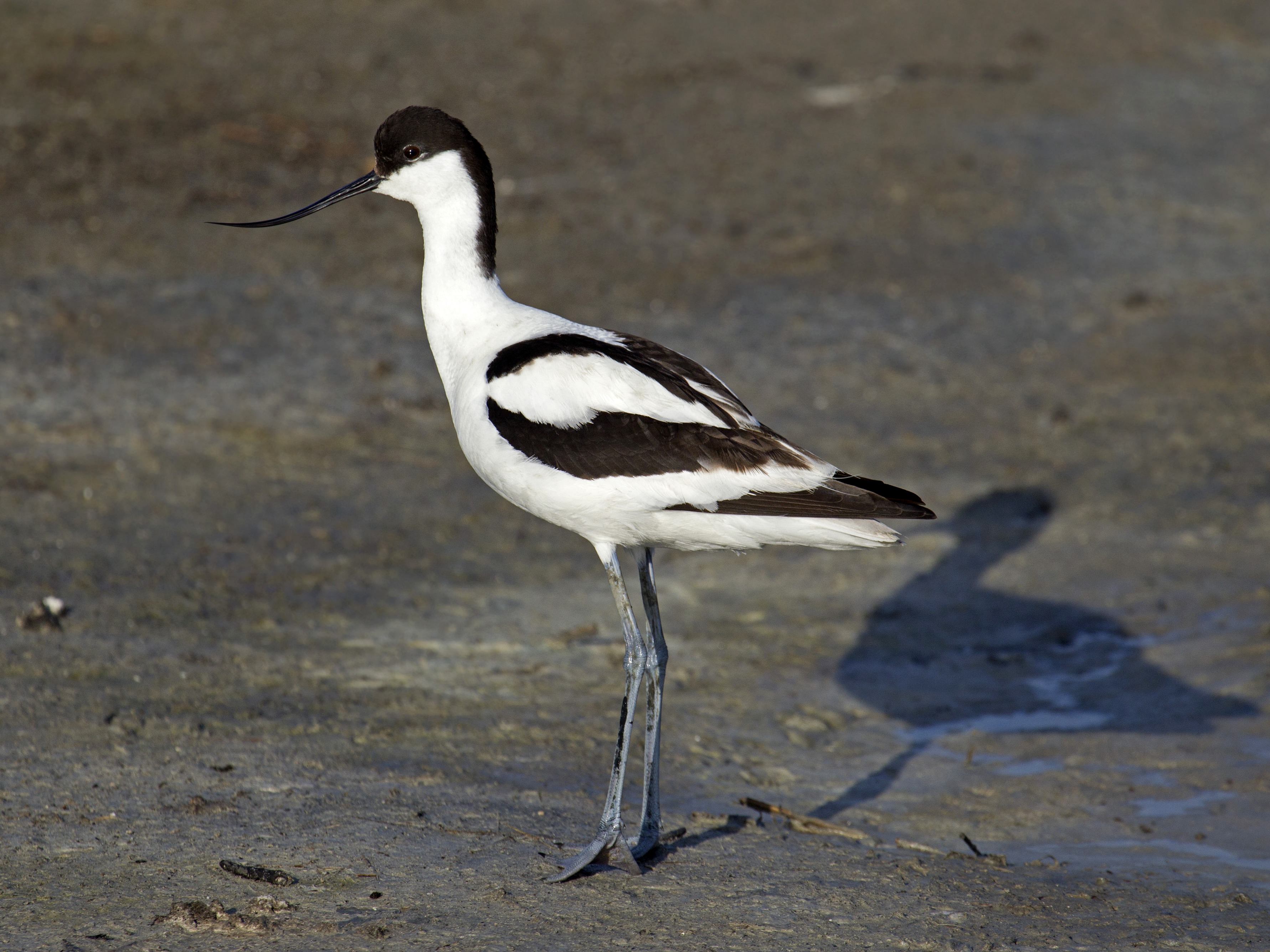
Avocets are
medium-sized birds, measuring around 16 to 20 inches (40 to 50 cm) in length
with a wingspan of approximately 30 to 32 inches (75 to 80 cm). They have long,
thin legs that are bluish-gray in color. The most distinctive feature of the
avocet is its long, thin bill, which curves upwards. During the breeding
season, the head and neck of the avocet are cinnamon-colored, while the rest of
the body is predominantly white. Outside of the breeding season, the cinnamon
color is replaced by grayish-black.
History
Avocets have
a rich history that dates back several centuries. They have been recorded in
various parts of the world, including Europe, Asia, Africa, and North America.
In the past, avocets faced habitat loss and hunting pressures, which resulted
in declining populations. However, conservation efforts have played a crucial
role in protecting their habitats and ensuring their survival.
Behavior
Avocets are
highly social birds and are often found in flocks. They are known for their
graceful and agile movements, especially while foraging in shallow waters.
Avocets have a unique feeding behavior where they sweep their bills from side
to side in the water to catch small invertebrates, such as insects,
crustaceans, and mollusks. They also feed on aquatic plants and seeds. During
the breeding season, avocets engage in elaborate courtship displays, which
involve head-bobbing, wing-flapping, and high-pitched calls.
Health
Avocets are
generally hardy birds and do not face many specific health issues. However,
like any other bird species, they are susceptible to certain diseases and
parasites. It is essential to monitor their overall health, including their
weight, feather condition, and behavior, to detect any signs of illness.
Regular veterinary check-ups and a balanced diet are crucial for their
well-being.
Nutrition
Avocets have
a diverse diet that primarily consists of small invertebrates found in shallow
water bodies. They feed on insects, worms, small crustaceans, and mollusks.
Additionally, avocets also consume aquatic plants, seeds, and occasionally
small fish. A balanced diet rich in protein and nutrients is vital to their
health and overall vitality.
Grooming
Avocets are
known for their impeccable grooming habits. They frequently preen their
feathers to keep them clean and well-maintained. Preening helps to remove dirt,
parasites, and excess oil from their plumage, ensuring its insulation and
waterproofing properties are intact. Additionally, avocets also engage in dust
bathing, which helps to eliminate external parasites.
Treatment
If an avocet
shows signs of illness or injury, it is important to seek veterinary
assistance. Trained professionals can provide appropriate medical treatment and
care for the bird. In cases of injuries, avocets may require supportive
measures, such as splints or bandages, to aid in healing. Rehabilitation
centers and wildlife organizations often play a significant role in treating
and rehabilitating injured avocets.
Habitat
Avocets
inhabit a variety of wetland habitats, including coastal areas, lagoons, salt
pans, marshes, and shallow lakes. They prefer areas with shallow water that
provide ample food sources. These birds are often found in both freshwater and
saltwater habitats, depending on the species and geographical location.
Feeding
Avocets are
primarily insectivorous and feed by wading in shallow waters. They use their
long, upturned bills to sweep side to side in the water, stirring up small
invertebrates. Avocets are skilled foragers and have a keen sense of detecting
prey. They have also been observed engaging in cooperative feeding, where they
form small groups and move together, driving prey towards each other.
Breeding
Avocets form
monogamous pairs during the breeding season. The courtship displays of avocets
involve elaborate rituals, including synchronized movements, calls, and flight
displays. They build nests on the ground, typically in areas with sparse
vegetation or on small islands within wetlands. The female lays around 3 to 4
eggs, and both parents take turns incubating them for about 22 to 24 days. Once
the chicks hatch, they are precocial, meaning they can walk and feed themselves
shortly after hatching.
Conclusion
The avocet is a remarkable bird known for its unique appearance and graceful behavior. With its slender, upward-curving bill and striking black and white plumage, it captures the attention of bird enthusiasts and nature lovers alike. Avocets thrive in wetland habitats and play a vital role in maintaining the ecological balance of these ecosystems. Conservation efforts and awareness are crucial for ensuring the continued survival and well-being of these beautiful birds for future generations to admire and enjoy.
Avocet Bird Videos
