
Cabbage Moth
Introduction
The cabbage
moth, scientifically known as Mamestra brassicae, is a common insect belonging
to the family Noctuidae. It is primarily found in Europe and North America but
has also been introduced to other parts of the world. This article provides a
comprehensive overview of the cabbage moth, covering various aspects such as
its appearance, history, behavior, health implications, nutritional significance,
grooming habits, treatment methods, habitat preferences, feeding habits,
breeding patterns, and a concluding summary.
Appearance
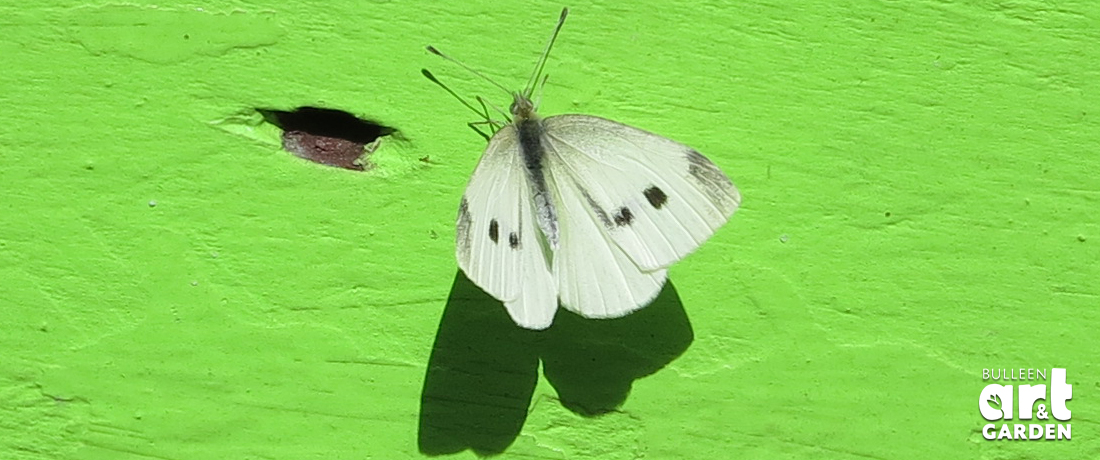
The cabbage
moth has a wingspan of approximately 30-40 mm. The forewings are grayish-brown
with a distinct pattern of darker brown and lighter beige markings. The
hindwings are pale with a slightly darker border. When at rest, the wings fold
over the back, giving the moth a narrow and elongated appearance. The
caterpillar, or larval stage, of the cabbage moth is plump, greenish-gray, and
covered in fine hairs.
History
The cabbage
moth is believed to have originated in Europe. However, due to human activities
such as global trade and transportation, it has been introduced to various
other regions worldwide. The species has successfully established populations
in North America, Australia, and parts of Asia.
Behavior
Cabbage
moths are primarily active during the night and are attracted to artificial
light sources. They are known for their strong flying abilities and can travel
long distances. As adults, they feed on nectar and other plant fluids. The
cabbage moth larvae are voracious feeders, particularly on plants from the
Brassicaceae family, which includes cabbage, broccoli, kale, and other
cruciferous vegetables.
Health
Cabbage
moths are not harmful to humans directly. However, their caterpillars can cause
significant damage to crops, particularly cabbage, by feeding on the leaves.
Infested crops may suffer reduced yield and quality, leading to economic losses
for farmers.
Nutrition
In terms of
nutrition, cabbage moths themselves do not have any significant dietary impact.
However, their caterpillars consume large quantities of plant material,
particularly leaves of cruciferous vegetables. This can affect the nutritional
value and yield of these crops, potentially impacting human diets and food
availability.
Grooming
Cabbage
moths do not engage in extensive grooming behaviors. They may clean their
antennae and wings using their legs and mouthparts. This grooming helps to
remove dust and debris that might hinder their sensory perception and flight
capabilities.
Treatment
To control
cabbage moth infestations, integrated pest management strategies are commonly
employed. These may include physical barriers such as netting or row covers,
biological control using natural enemies like parasitic wasps or insecticides
as a last resort. Farmers and gardeners should adopt preventive measures like
crop rotation and maintaining good garden hygiene to minimize cabbage moth
populations.
Habitat
Cabbage
moths inhabit a wide range of environments, including gardens, agricultural
fields, and uncultivated areas. They prefer areas with an abundant supply of
cruciferous plants, as these are their primary food source and breeding sites.
Feeding
As adults,
cabbage moths feed on nectar, sap, and other plant fluids. They have a
particular affinity for flowers. However, it is the caterpillar stage that
causes the most significant damage. The cabbage moth larvae feed voraciously on
the leaves of cruciferous plants, creating irregular holes and skeletonizing
the foliage.
Breeding
Cabbage
moths reproduce through sexual reproduction. After mating, the female lays
small, pale-yellow eggs on the undersides of leaves. These eggs hatch into
caterpillars within a week. The caterpillars go through several instars,
growing larger with each molt, before pupating in the soil. The pupal stage
lasts for approximately 2-3 weeks, after which adult cabbage moths emerge.
Conclusion
The cabbage moth, a common insect found in Europe and North America, has become a global pest due to its introduction into various regions. While the adult moths primarily feed on nectar and other plant fluids, it is the larvae that cause significant damage to cruciferous vegetables. Integrated pest management practices and preventive measures are crucial for minimizing the impact of cabbage moths on crops. By understanding their appearance, behavior, and life cycle, we can develop effective strategies to protect valuable agricultural resources from these pests.
Cabbage Moth Video
