
Mouse Pet
Introduction:
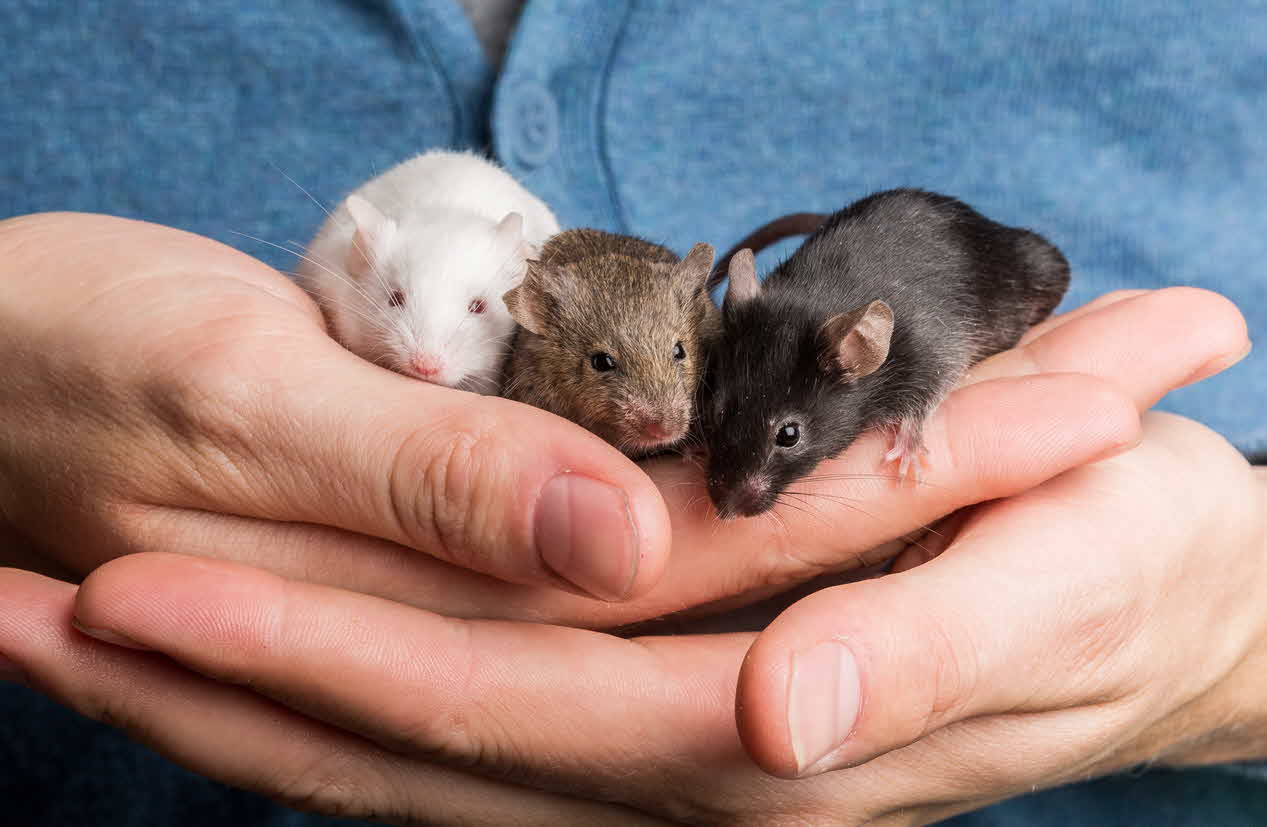
Mice are
tiny, cute, and adorable creatures that have been kept as pets for many years.
They are active, social, and intelligent animals that make great pets for
people of all ages. Mice are also low maintenance pets that do not require a
lot of space or resources to keep. In this article, we will discuss everything
you need to know about keeping a mouse as a pet, including their history,
behavior, care, and feeding.
History:
Mice have
been kept as pets for hundreds of years. They were first domesticated in China,
where they were bred for their meat and fur. In the 16th century, mice were
brought to Europe as exotic pets. Since then, they have been selectively bred
for their various coat colors, patterns, and sizes, which has led to the
creation of many different mouse breeds.
Behavior:
Mice are
social animals that live in groups in the wild. They are active both during the
day and at night and have a lot of energy. Mice are also very intelligent
creatures that can be trained to perform tricks and tasks. They are curious
animals that like to explore their environment and play with toys.
Care:
Mice are
relatively easy to care for and require minimal attention. They are small
animals that do not need a lot of space and can be housed in cages or tanks.
Mice cages should be cleaned regularly, and fresh water and food should be
provided daily. Mice are also prone to various health issues, so it is
important to keep an eye on their health and take them to the vet if necessary.
Feeding & Nutrition
Proper
nutrition is essential for keeping pet mice healthy and happy. Mice are
omnivores that eat a variety of foods in the wild, including seeds, fruits,
insects, and small animals. As pets, they can be fed a diet of commercial mouse
food, supplemented with fresh fruits and vegetables. It is important to provide
a well-balanced diet that meets their nutritional needs.
Commercial Mouse Food:
Commercial
mouse food is available in pet stores and is formulated to provide all the
essential nutrients that mice need. It is important to choose a high-quality
mouse food that contains a balanced mix of protein, fat, fiber, and vitamins
and minerals.
When
choosing a commercial mouse food, look for a brand that contains high-quality
ingredients, such as whole grains, vegetables, and protein sources like
chicken, beef, or fish. Avoid brands that contain excessive amounts of fillers,
such as corn or soy, as these are not as nutritious for mice.
Fresh Foods:
Fresh fruits
and vegetables should also be included in a mouse's diet to provide additional
vitamins and minerals. Good options include leafy greens, carrots, broccoli,
apples, bananas, and berries. Avoid feeding mice sugary or fatty foods, as this
can lead to obesity and health problems.
Treats:
Treats
should be given in moderation, as mice have a small stomach and can become
overweight quickly. Good treat options include small amounts of fresh fruits or
vegetables, mealworms, or small pieces of cheese.
Water:
Fresh water
should be provided to mice at all times. A water bottle is the best option, as
it keeps the water clean and prevents spills. The water should be changed daily
to ensure it is fresh and free from bacteria.
Feeding Schedule:
Mice should
be fed twice a day, in the morning and evening, to prevent overeating and
obesity. The amount of food given should be adjusted based on the mouse's
weight, age, and activity level. It is important not to overfeed mice, as this
can lead to health problems.
Signs of Malnutrition:
Signs of
malnutrition in mice include weight loss, dull fur, lethargy, and a decreased
appetite. If you notice any of these signs, it is important to consult with a
veterinarian to ensure that your mouse is receiving proper nutrition.
In conclusion, providing a well-balanced diet is essential for keeping pet mice healthy and happy. A diet of commercial mouse food, supplemented with fresh fruits and vegetables, and occasional treats, will provide all the essential nutrients that mice need to thrive. As always, it is important to consult with a veterinarian if you have any questions or concerns about your mouse's diet.
Choosing a Mouse:
When
choosing a mouse as a pet, it is important to select a healthy and active
animal. Mice should be alert, with bright eyes and a clean coat. They should
also be handled carefully, as mice can be nervous and easily stressed.
Breeds of Mice:
There are
many different breeds of mice, each with its unique characteristics and traits.
Some of the most popular mouse breeds include:
Fancy
Mice: These are the most common type of pet
mice and come in a variety of colors and patterns.
Hairless
Mice: These mice are bred without fur and
have a unique appearance.
Satin
Mice: These mice have a shiny coat and a
soft, silky texture.
Long-Haired
Mice: These mice have long, flowing hair
and require extra grooming to keep their coats healthy.
Dwarf
Mice: These are
smaller than standard mice and are popular as pets because of their cute
appearance.
Siamese
Mice: These mice have a distinct coat
pattern and are known for their social nature.
Handling:
Mice are
delicate animals that should be handled with care. It is important to approach
mice slowly and gently, avoiding sudden movements that can startle them. When
picking up a mouse, it is best to scoop them up in your hand, supporting their
body with your fingers. Mice should be handled gently and not squeezed or held
too tightly, as this can cause injury or stress.
Training:
Mice are
intelligent animals that can be trained to perform tricks and tasks. They can
be trained using positive reinforcement techniques, such as rewarding them with
treats for good behavior. Some common tricks that mice can learn include
jumping through hoops, running through mazes, and playing fetch.
Conclusion:
pet mice can
make wonderful and entertaining companions with proper care and attention. It
is important to provide them with a suitable habitat, including a comfortable
and safe cage, as well as an appropriate diet and regular exercise. Providing
mental stimulation through toys and interactive play can also enhance their
quality of life.
When it
comes to choosing a pet mouse, it is important to consider their individual
needs and personality. Some mice may be more active and social than others, and
may require more attention and playtime. It is also important to consider the
time commitment involved in caring for a pet mouse, as they can live up to two
years or more with proper care.
Overall, pet
mice can be rewarding and fun pets for the right owner. With proper care and
attention, they can bring joy and companionship to their owners for many years.
