
Fancy Mouse
Fancy mice, also known as
domesticated mice, are a popular pet among small animal enthusiasts. These
adorable little creatures are known for their cute appearance, playful nature,
and ease of care. Here's a closer look at the fancy mouse.
History
Fancy mice, also known as
domesticated mice, are believed to have originated from the house mouse (Mus
musculus), a small rodent native to Asia. It is thought that these mice were
first bred as pets in England during the 19th century, where they became popular
due to their cute and friendly demeanor.
The first fancy mice were
probably bred for their unique coat colors and patterns, which were selectively
bred to create a wide range of varieties. Over time, fanciers began to develop
specific breeds of fancy mice, each with their own unique characteristics and
traits. This selective breeding led to the creation of a wide variety of fancy
mouse breeds, including the black-eyed white, chocolate, and cinnamon
varieties.
Today, fancy mice are
popular pets all over the world, with many enthusiasts breeding and showing
their mice in competitions and exhibitions. Despite their humble origins as a
domesticated version of the common house mouse, fancy mice have become a
beloved pet for many small animal lovers, thanks to their playful personalities
and ease of care.
Appearance
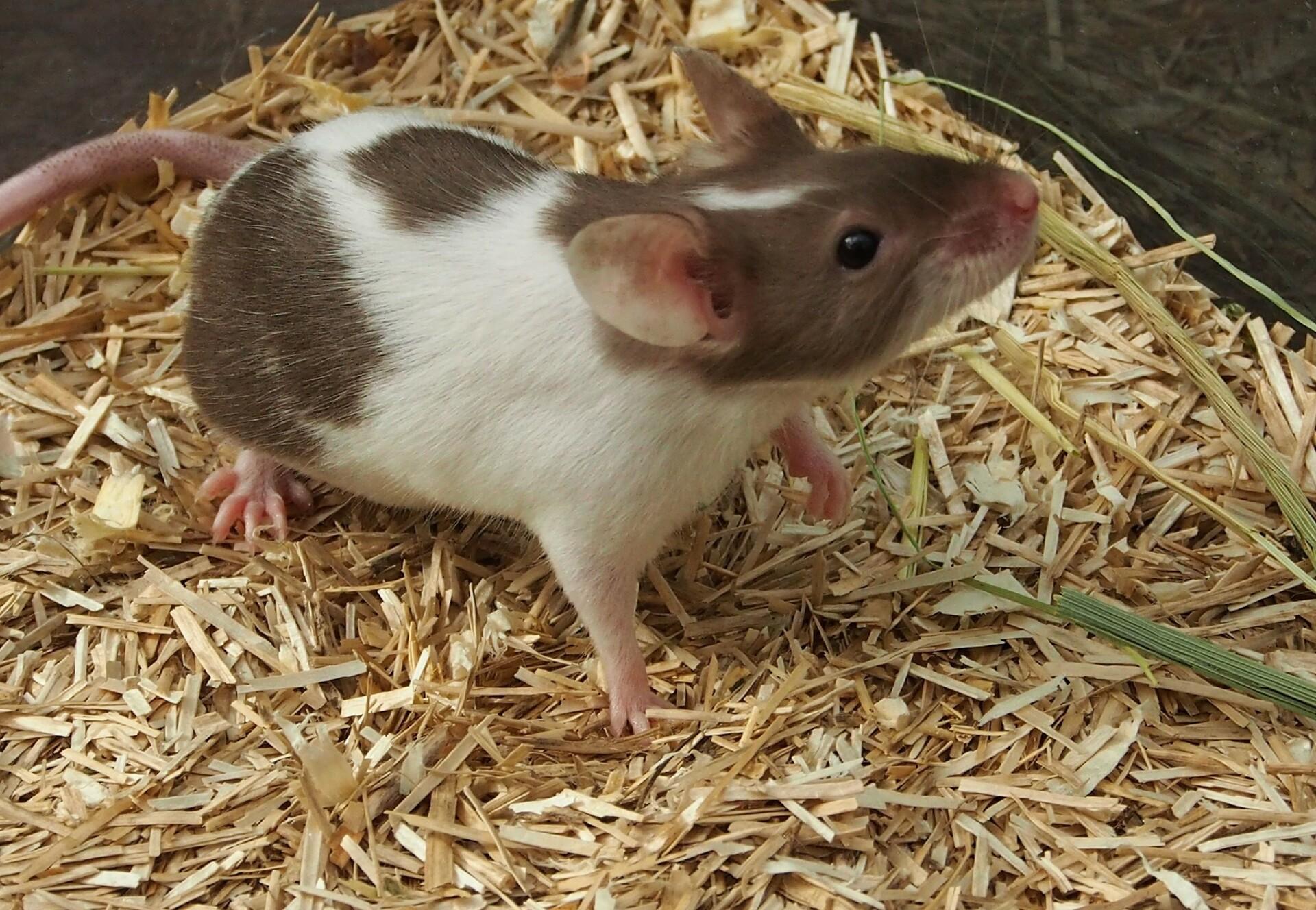
Fancy mice come in a wide
variety of colors and patterns, which make them quite unique and attractive.
They can be solid colors, such as white, black, brown, or gray, or they can
have combinations of two or more colors in patterns such as spots, stripes, or
brindle. Some fancy mice even have unusual colors like lavender or blue. The
eyes of fancy mice are typically black or red, and they have large, round ears.
Fancy mice are small,
typically only growing to about 3-4 inches in length, with a tail that is
almost as long as their body. They have a sleek, smooth coat and a pointed
snout. Despite their small size, fancy mice have a cute and charming appearance
that makes them popular as pets. Their unique coat colors and patterns also
make them a favorite among breeders and enthusiasts.
Health
Fancy mice are generally
hardy animals and with proper care, they can live for up to 2-3 years. However,
like all animals, they are prone to certain health issues. Some common health
problems that may affect fancy mice include:
·
Respiratory infections - These are common in mice and
can be caused by bacteria, viruses, or fungi. Symptoms may include sneezing,
coughing, wheezing, or difficulty breathing.
·
Dental problems - Fancy mice have constantly growing
teeth, and if they don't wear them down properly, they can develop overgrown
teeth, which can cause pain and difficulty eating.
·
Tumors - Like all rodents, fancy mice are prone to
developing tumors, which can be benign or malignant. Symptoms may include
lumps, swelling, or changes in behavior.
·
Parasites - Mites and lice can infest fancy mice and
cause skin irritation, itching, and hair loss.
To keep your fancy mouse
healthy, it's important to provide them with a clean and hygienic living
environment, a healthy diet, and regular veterinary check-ups. If you notice
any changes in your mouse's behavior or health, it's important to consult with
a veterinarian as soon as possible. With proper care and attention, your fancy
mouse can live a happy and healthy life.
Nutrition
Proper nutrition is
essential for maintaining the health and well-being of fancy mice. A balanced
diet for a fancy mouse should consist of:
·
Commercial pellets: A good quality commercial mouse
food or rodent block should be the primary component of a fancy mouse's diet.
These pellets are designed to provide the proper balance of nutrients and
minerals that mice need.
·
Fresh fruits and vegetables: Mice enjoy eating small
amounts of fresh fruits and vegetables, such as apples, carrots, and leafy
greens. These foods provide important vitamins and fiber that are essential for
maintaining good health.
·
Protein-rich foods: Mice are omnivores and require protein
in their diet. You can provide your mouse with protein by giving them small
amounts of cooked egg, mealworms, or crickets.
·
Treats: Treats should only be given occasionally, as
they can be high in sugar and fat. Mice enjoy small amounts of nuts, seeds, and
whole grains as treats.
It's important to provide
fresh food and water daily, and to avoid feeding your mouse spoiled or moldy
food. You should also monitor your mouse's food intake and adjust their diet
accordingly if they are gaining or losing weight. With a healthy and balanced
diet, your fancy mouse can enjoy a long and happy life.
Conclusion
Fancy mice make wonderful
pets for those who enjoy the company of small animals. They are easy to care
for and have playful personalities that make them a joy to watch and interact
with. If you're considering a fancy mouse as a pet, be sure to do your research
and provide them with plenty of love, attention, and enrichment to keep them
happy and healthy.