
Balinese Cat Breed
Introduction
The Balinese
cat is a stunning feline breed known for its long, silky coat and regal
appearance. Resembling the Siamese cat in many ways, the Balinese breed is
often referred to as a long-haired Siamese. In this article, we will delve into
the Balinese cat's appearance, history, behavior, health, nutrition, grooming,
habitat, breeding, and conclude with an overview of this captivating breed.
Appearance
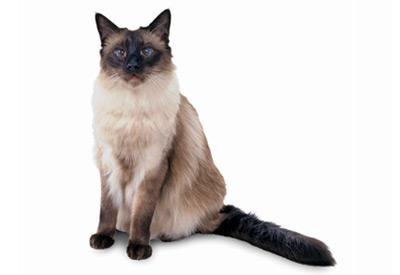
The Balinese
cat possesses a medium-sized, muscular body with a long, tubular shape. It has
elegant lines and a distinctive wedge-shaped head. The breed's most notable
feature is its long, luxurious coat, which is soft and silky to the touch. The
coat can come in a variety of colors, including seal, blue, chocolate, lilac,
and more. Balinese cats have striking blue almond-shaped eyes that express
intelligence and curiosity.
History
The Balinese
breed shares its ancestry with the Siamese cat. Its origins can be traced back
to accidental long-haired kittens born to Siamese litters. The breed's name is
inspired by the graceful dancers of the Indonesian island of Bali, as the
Balinese cats' flowing coat resembled the movements of these dancers. The breed
was recognized by cat associations in the 1950s and has since gained popularity
for its beauty and affectionate nature.
Behavior
Balinese
cats are known for their sociable and affectionate personalities. They form
strong bonds with their human companions and enjoy being included in daily
activities. These cats are intelligent and curious, often displaying a playful
and mischievous nature. Balinese cats are also vocal and can engage in
conversation with their owners, expressing their needs and desires through a
range of distinctive vocalizations.
Health
Overall,
Balinese cats are a healthy breed with no specific genetic health issues.
However, as with any cat, they are susceptible to common feline health problems
such as dental issues, obesity, and respiratory infections. Regular veterinary
check-ups, a balanced diet, and exercise are essential to ensure their
well-being. It is advisable to obtain a Balinese cat from a reputable breeder
who conducts health screenings to minimize the risk of hereditary disorders.
Nutrition
Proper
nutrition is vital for maintaining the health and vitality of Balinese cats. A
high-quality commercial cat food that is appropriate for their age, activity
level, and overall health is recommended. It is crucial to provide a balanced
diet that includes essential nutrients such as protein, vitamins, and minerals.
Fresh water should always be readily available, and treats should be given in
moderation to avoid overfeeding.
Grooming
Despite
their long coat, Balinese cats have minimal shedding. However, regular grooming
sessions are necessary to prevent matting and keep their coat in top condition.
Weekly brushing with a fine-toothed comb or a slicker brush will help remove
loose hair and prevent tangles. Additionally, regular nail trimming, teeth
brushing, and ear cleaning should be incorporated into their grooming routine
to ensure their overall well-being.
Treatment and Habitat
Balinese
cats thrive in an indoor environment where they can be safe from potential
hazards and enjoy the companionship of their human family. They appreciate
having access to climbing structures, scratching posts, and interactive toys to
keep them mentally and physically stimulated. Spending quality time with their
owners is also crucial to prevent boredom and separation anxiety.
Feeding
Balinese
cats should be fed a balanced diet consisting of high-quality cat food. It is
important to follow the feeding guidelines provided by the food manufacturer
and consult with a veterinarian to determine the appropriate portion sizes
based on the cat's age, weight, and activity level. Feeding schedules should be
consistent, and it is best to avoid feeding table scraps or foods that are
toxic to cats.
Breeding
Breeding
Balinese cats should be approached responsibly. It is essential to select
breeding pairs with good health and temperaments, and work with reputable
breeders who adhere to ethical breeding practices. Balinese cats typically have
small litters, and it is important to ensure proper care for both the mother
and kittens during the breeding process.
Conclusion
The Balinese cat is a captivating breed that combines elegance, intelligence, and a loving personality. With its striking appearance and affectionate nature, this long-haired Siamese descendant makes a wonderful companion for those seeking a loyal and sociable feline companion. By providing a nurturing environment, a nutritious diet, regular grooming, and adequate veterinary care, you can ensure that your Balinese cat thrives and brings joy to your life for years to come.
Balinese Cat Breed Video
