
Bengal Cat Breed
Introduction
Bengal cats are a unique and exotic breed that has captured the hearts of cat enthusiasts worldwide. Known for their striking appearance and active personality, Bengal cats are a result of crossing domestic cats with the Asian leopard cat. In this article, we will delve into various aspects of Bengal cats, including their appearance, history, behavior, health, nutrition, grooming, treatment, habitat, feeding, breeding, and conclude with why they make wonderful companions.
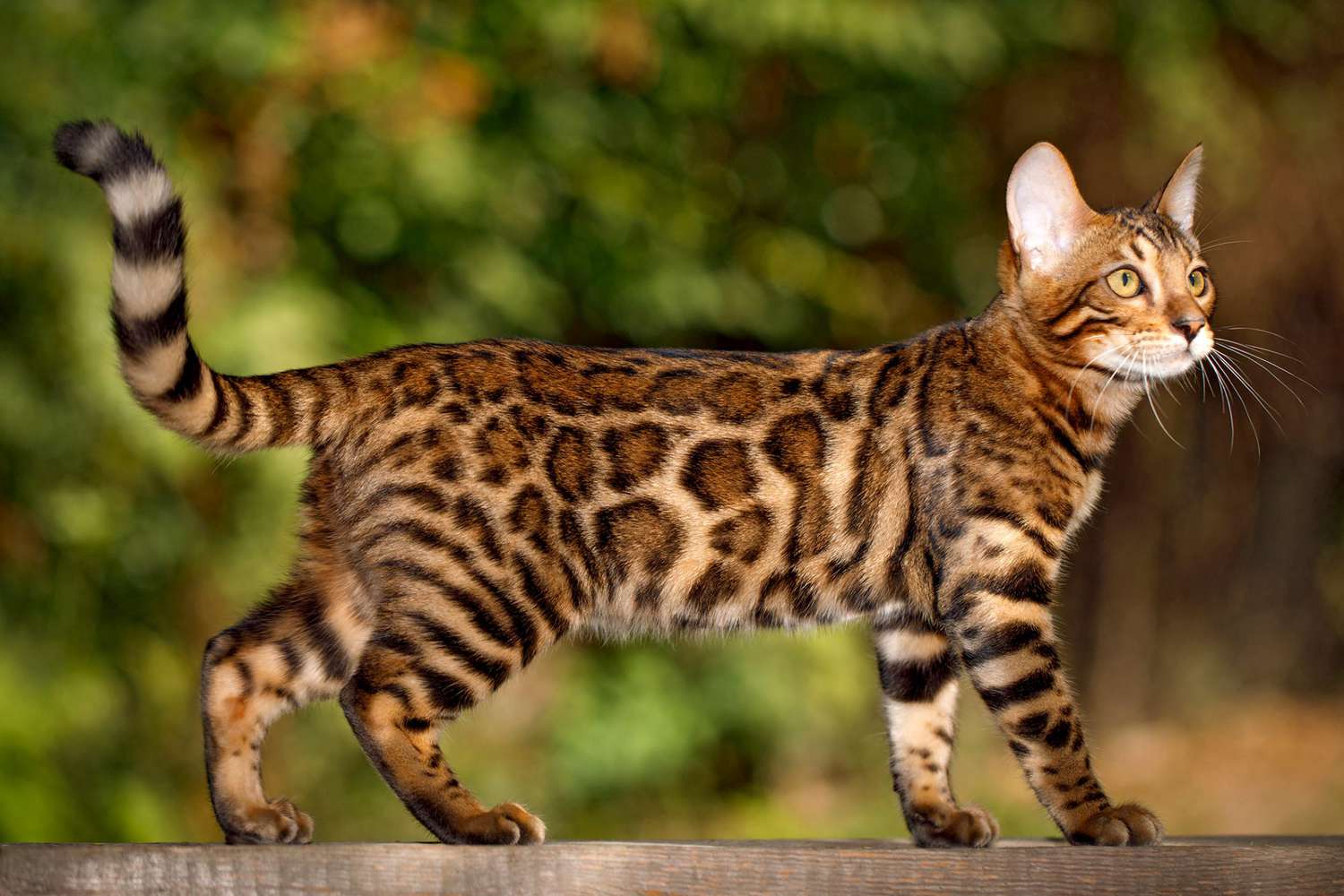
Appearance
Bengal cats
are recognized for their remarkable coat patterns reminiscent of their wild
ancestors. Their short to medium-length fur is thick and luxurious, displaying
either spotted or marbled patterns. The spots can be large, rosette-shaped, or
small and scattered, while marbled patterns resemble a swirling, marbled
appearance. The most common colors are brown and black, but other variations
like silver, snow, and charcoal are also available.
History
The Bengal
breed originated in the 1960s when a geneticist named Jean Mill crossed a
domestic cat with an Asian leopard cat. The aim was to create a breed that
retained the wild cat's beautiful appearance while possessing a domesticated
temperament. The breed was officially recognized in the 1980s, and through
careful breeding programs, Bengal cats became a popular choice for cat lovers
around the world.
Behavior
Bengal cats
are renowned for their active and playful nature. They possess a high energy
level and require mental and physical stimulation to stay happy and healthy.
Bengals love interactive toys, climbing structures, and puzzles that challenge
their intelligence. They are also highly curious and may explore every nook and
cranny of their environment. Bengals are generally social cats and can get
along well with children and other pets if properly introduced and socialized
from a young age.
Health
Overall,
Bengal cats are considered a healthy breed. However, like all cats, they are
prone to certain genetic and hereditary health issues. Some common conditions
observed in Bengals include hypertrophic cardiomyopathy (HCM), progressive
retinal atrophy (PRA), and patellar luxation. Regular veterinary check-ups,
vaccinations, and preventive care are essential to ensure their well-being.
Nutrition
A balanced
diet is crucial to meet the nutritional needs of Bengal cats. High-quality
commercial cat foods that are specifically formulated for active breeds are
recommended. It is important to provide a protein-rich diet, as Bengals have a
high metabolism. Consult with your veterinarian to determine the appropriate
feeding schedule and portion sizes based on your Bengal cat's age, weight, and
activity level.
Grooming
Bengal cats
have a low-maintenance coat that requires minimal grooming. Regular brushing
with a soft bristle brush or a grooming mitt helps remove loose hair and keeps
their coat in good condition. Additionally, occasional nail trimming, teeth
brushing, and ear cleaning should be included in their grooming routine.
Bengals are known to enjoy water, so introducing them to bathing from an early
age can make grooming sessions easier.
Treatment and Habitat
Bengals are
domesticated cats and should be treated as such. They are not suited for
outdoor living, as they may be prone to theft or accidents. Provide them with a
safe and stimulating indoor environment, ensuring they have ample space to
exercise, climb, and play. Enrichment activities like puzzle toys and
interactive playtime should be included to prevent boredom.
Feeding
Bengals
should be provided with a balanced and nutritious diet. High-quality commercial
cat food should form the basis of their diet, supplemented with occasional
treats. Fresh water should be available at all times. Avoid feeding them raw or
undercooked meat, as it can pose health risks. If you have any concerns or
specific dietary requirements, consult your veterinarian for guidance.
Breeding
Breeding
Bengal cats should only be done by experienced breeders who are committed to
maintaining the breed's health, temperament, and standards. It is important to
ensure the well-being of the parent cats and the kittens. If you are
considering breeding Bengals, familiarize yourself with responsible breeding
practices and seek guidance from reputable breeders or cat associations.
Conclusion
Bengal cats
are a captivating breed that brings a touch of the wild into your home. Their
striking appearance, energetic personality, and affectionate nature make them
fantastic companions for those who can provide the attention and stimulation
they require. As with any pet, responsible ownership, proper care, and regular
veterinary check-ups are vital to ensure their well-being and happiness. If you
are seeking a unique and engaging feline companion, the Bengal cat might be the
perfect choice for you.
Bengal Cat Breed Video
