
Siberian Cat Breed
Introduction
The Siberian
cat, also known as the Siberian Forest Cat, is a majestic breed that has
captured the hearts of cat lovers worldwide. With its striking appearance, rich
history, playful behavior, and robust health, the Siberian cat has become a
popular choice for those seeking a loving and loyal feline companion. In this
article, we will delve into the various aspects of this fascinating breed,
including its appearance, history, behavior, health, nutrition, grooming, treatment,
habitat, feeding, breeding, and conclude with an overview of its unique
qualities.
Appearance
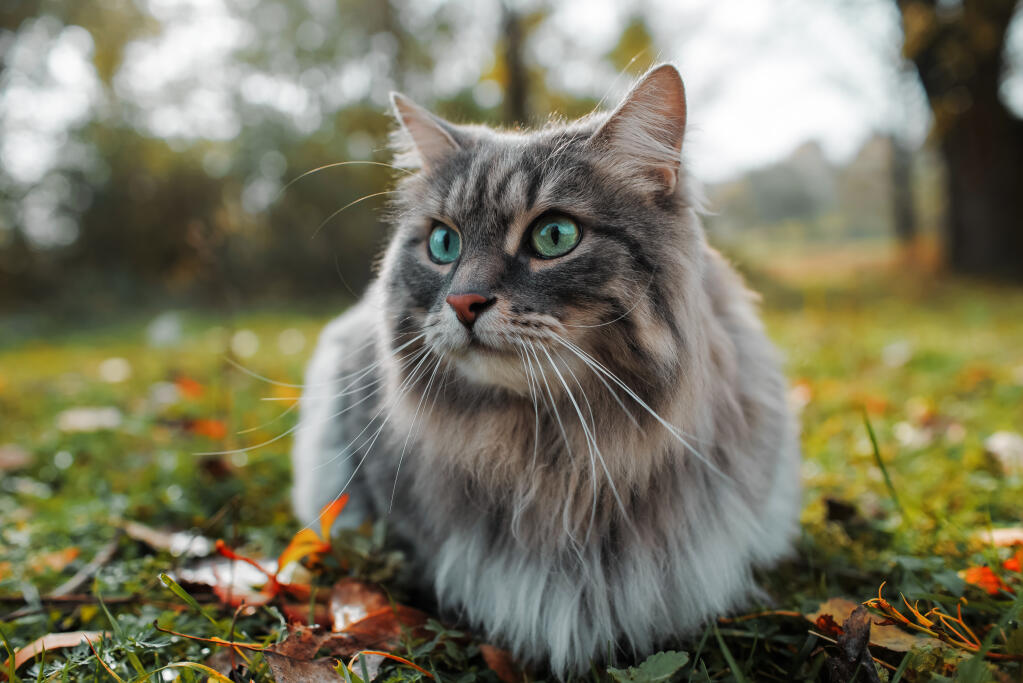
The Siberian
cat is a large, muscular breed with a robust build. Their strong bodies,
supported by sturdy legs, enable them to navigate various environments with
ease. Their most distinctive feature is their thick, dense coat, which provides
insulation against harsh weather conditions. The coat comes in a variety of
colors and patterns, including tabby, solid, tortoiseshell, and colorpoint.
Their eyes are typically round and expressive, ranging in color from gold and
green to blue.
History
Originating
in Russia's Siberian region, the Siberian cat is believed to have existed for
centuries. This natural breed developed in the wild, adapting to the harsh
climate and rugged terrain. It was later recognized as a formal breed and
gained international recognition in the 1990s. The Siberian cat's ancestors
played a significant role in Russian folklore and were considered good luck
charms and protectors against evil spirits.
Behavior
Siberian
cats are known for their friendly and affectionate nature. They form strong
bonds with their human companions and enjoy spending time with them. Despite
their large size, they are often gentle and patient, making them excellent choices
for families with children or other pets. Siberians are intelligent and
curious, and they enjoy interactive play and puzzle toys. They also retain
their hunting instincts and are skilled climbers.
Health
The Siberian
cat is generally a healthy breed, with a robust immune system. However, as with
any cat breed, they may be prone to certain genetic health issues. Hypertrophic
cardiomyopathy (HCM) is one such concern, although responsible breeding
practices can help minimize the risk. Regular veterinary check-ups and a
balanced diet are essential for maintaining their overall health and
well-being.
Nutrition
A
well-balanced diet is crucial for the Siberian cat's overall health.
High-quality commercial cat food that meets their nutritional needs is recommended.
It is important to provide them with a protein-rich diet, as they are
carnivorous animals. Freshwater should always be available, and it is advisable
to consult with a veterinarian to determine the appropriate portion sizes and
feeding frequency for your Siberian cat.
Grooming
The Siberian
cat's thick, double-layered coat requires regular grooming to prevent matting
and keep it in optimal condition. Their fur sheds seasonally, with heavier
shedding occurring during spring and fall. Regular brushing, at least once or
twice a week, helps remove loose hair and prevents the formation of hairballs.
Despite their dense coat, Siberians are surprisingly low-maintenance when it
comes to grooming.
Treatment
Siberian
cats thrive in loving and nurturing environments. They respond well to positive
reinforcement and gentle handling. It is important to provide them with plenty
of mental and physical stimulation to prevent boredom and potential destructive
behavior. Regular playtime, interactive toys, and scratching posts can help
keep them entertained and content.
Habitat
Siberian
cats are adaptable to various living situations, including apartments and
houses. They enjoy having vertical spaces to climb and explore, such as cat
trees or shelves. Access to outdoor enclosures or supervised outdoor time can
provide them with additional mental stimulation and exposure to nature, but it
is important to ensure their safety and protect them from potential hazards.
Feeding
Siberian
cats should be provided with a balanced diet that meets their nutritional
requirements. High-quality cat food, both wet and dry, is recommended. It is
advisable to consult with a veterinarian to determine the appropriate diet plan
based on the cat's age, activity level, and any specific dietary needs or
restrictions.
Breeding
Breeding
Siberian cats should be done responsibly and with the goal of preserving the
breed's health and characteristics. Responsible breeders prioritize the
well-being of the cats and aim to eliminate genetic health issues through
careful selection and regular health screenings. If you are considering
breeding Siberian cats, it is important to educate yourself about the breed's
standards and work with reputable breeders.
Conclusion
The Siberian
cat is a remarkable breed that combines stunning beauty, affectionate nature,
and robust health. With their striking appearance, playful behavior, and
adaptability, they have won the hearts of cat enthusiasts around the world.
Whether you are seeking a loving companion or a magnificent addition to your
family, the Siberian cat is sure to bring joy, warmth, and a touch of elegance
to your life.
Siberian Cat Breed Video
