
Sphynx Cat Breed
Introduction
The Sphynx
cat is a captivating and distinctive breed known for its lack of fur. With
their unique appearance and endearing personalities, Sphynxes have gained
popularity among cat enthusiasts worldwide. In this article, we will explore
various aspects of the Sphynx breed, including their appearance, history,
behavior, health, nutrition, grooming, treatment, habitat, feeding, breeding,
and conclude with an overview of this remarkable feline companion.
Appearance
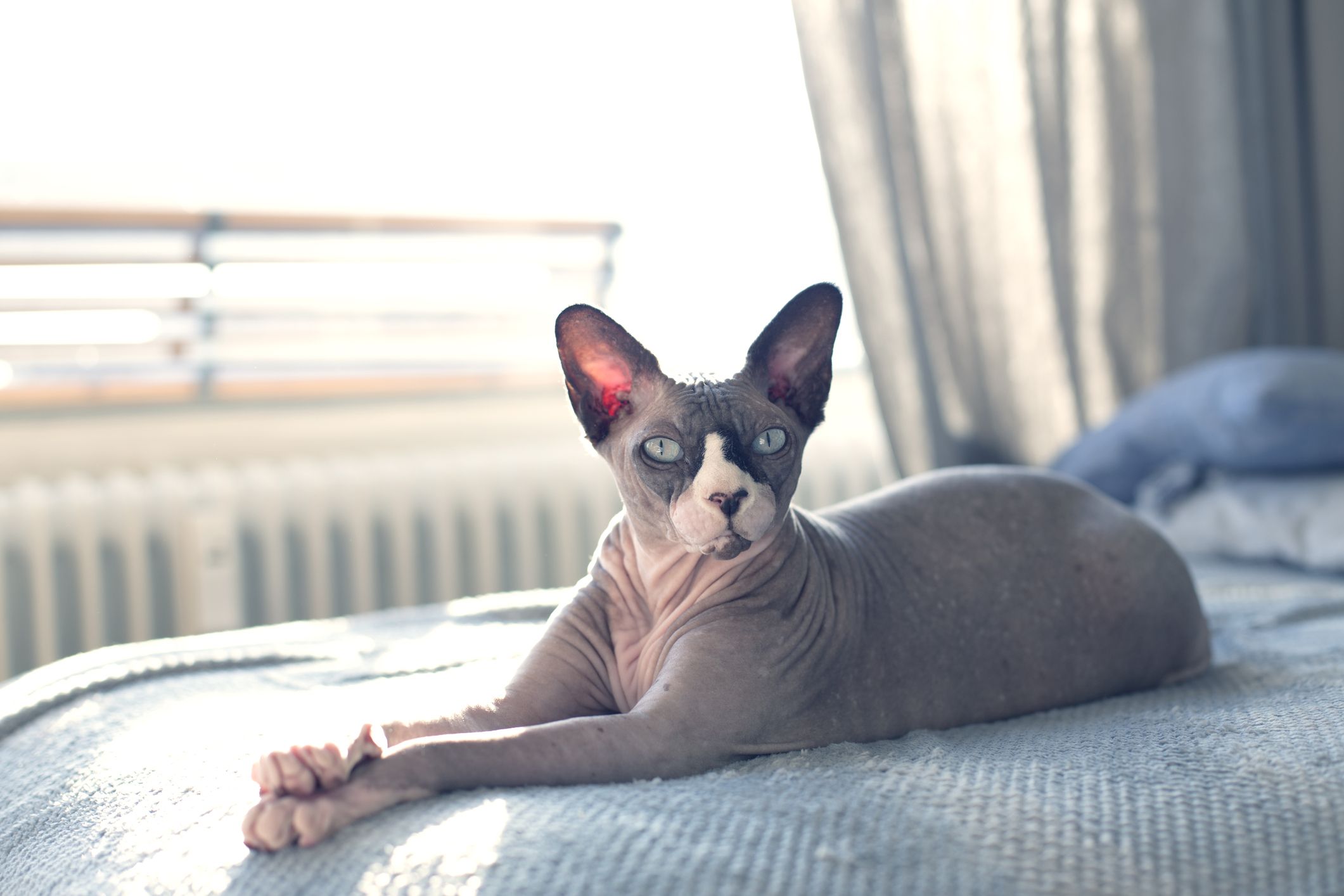
The Sphynx
cat stands out with its hairless or nearly hairless body, revealing its soft,
warm skin. Despite their name, Sphynxes are not completely devoid of fur; they
possess a fine down-like coat, often described as "peach fuzz." Their
body is muscular and well-rounded, with noticeable wrinkles, particularly
around the head, neck, and abdomen. Large, wide-set ears, striking eyes, and a
wedge-shaped head complete the unique look of the Sphynx cat.
History
Contrary to
popular belief, hairless cats have been documented throughout history in
various parts of the world. The Sphynx breed, as we know it today, originated
in the 1960s in Toronto, Canada, when a domestic shorthair cat named Elizabeth
gave birth to a hairless kitten named Prune. Through selective breeding and
outcrossing with other breeds, including Devon Rex and Cornish Rex, the Sphynx
breed was developed and officially recognized by cat registries.
Behavior
Sphynx cats
are known for their friendly and outgoing nature. They form strong bonds with
their human companions and enjoy being the center of attention. Highly
sociable, they thrive on interaction and make excellent family pets. Sphynxes
often display dog-like behaviors, such as following their owners around the
house and eagerly participating in interactive play. They are generally
accepting of other pets and adapt well to new environments.
Health
While the
Sphynx breed is generally healthy, they may be prone to certain health conditions.
Due to their lack of fur, they are more susceptible to temperature changes and
can easily become cold. Owners should provide a warm environment and ensure the
cat has access to cozy bedding. Sphynxes may also be prone to sunburn, so it's
essential to protect their sensitive skin from direct sunlight. Additionally,
regular veterinary check-ups and dental care are crucial for maintaining their
overall well-being.
Nutrition
A balanced
and nutritious diet is essential for the health of Sphynx cats. High-quality
cat food, whether commercially available or prepared at home under veterinary
guidance, should meet their dietary requirements. Proper portion control is
vital to prevent obesity, as Sphynxes have a tendency to gain weight. Fresh
water should always be available, and feeding schedules should be established
to maintain a healthy eating routine.
Grooming
Despite
their lack of fur, Sphynx cats require regular grooming. Their skin produces
oils that need to be wiped away periodically to maintain skin health and
prevent excessive greasiness. Frequent bathing, typically once a week, with a
mild cat-specific shampoo is necessary to remove dirt and debris. However, it's
important not to over-bathe them, as it can lead to dryness and irritation.
Regular ear cleaning, nail trimming, and dental care should also be included in
their grooming routine.
Treatment and Habitat
Sphynx cats
are domesticated animals and are ideally suited for an indoor lifestyle. They
are sensitive to extreme temperatures, so keeping them indoors ensures their
comfort and safety. Providing them with a cozy and enriched environment,
including scratching posts, toys, and comfortable resting spots, will keep them
mentally stimulated and content.
Feeding
Sphynx cats
should be fed a balanced diet appropriate for their age, weight, and overall
health. Commercial cat food, whether dry or wet, should meet their nutritional
needs. It's crucial to follow feeding guidelines provided by the manufacturer
or consult a veterinarian for specific dietary recommendations. Treats can be
offered occasionally but should be limited to prevent weight gain.
Breeding
Breeding
Sphynx cats requires careful planning and responsible practices. It is
essential to work with reputable breeders who prioritize the health and welfare
of their cats. Breeding programs should focus on maintaining genetic diversity,
promoting overall health, and adhering to ethical breeding standards.
Conclusion
The Sphynx cat, with its unique appearance and affectionate nature, continues to captivate cat lovers around the world. While their hairless appearance may be the first thing that catches the eye, it is their charming personalities that make them truly special. Sphynxes thrive on human companionship, forming strong bonds with their owners and bringing joy to their households. By understanding their specific needs, providing proper care, and showering them with love, Sphynx cat owners can enjoy a rewarding and fulfilling relationship with these remarkable feline companions.
Sphynx Cat Breed Video
