
Betta Fish
Introduction
Betta fish, also known as Siamese fighting fish, are a
popular aquarium fish species known for their vibrant colors and flowing fins.
They are native to Thailand, Cambodia, Laos, and Vietnam, where they live in
shallow, slow-moving waters such as rice paddies, streams, and swamps.
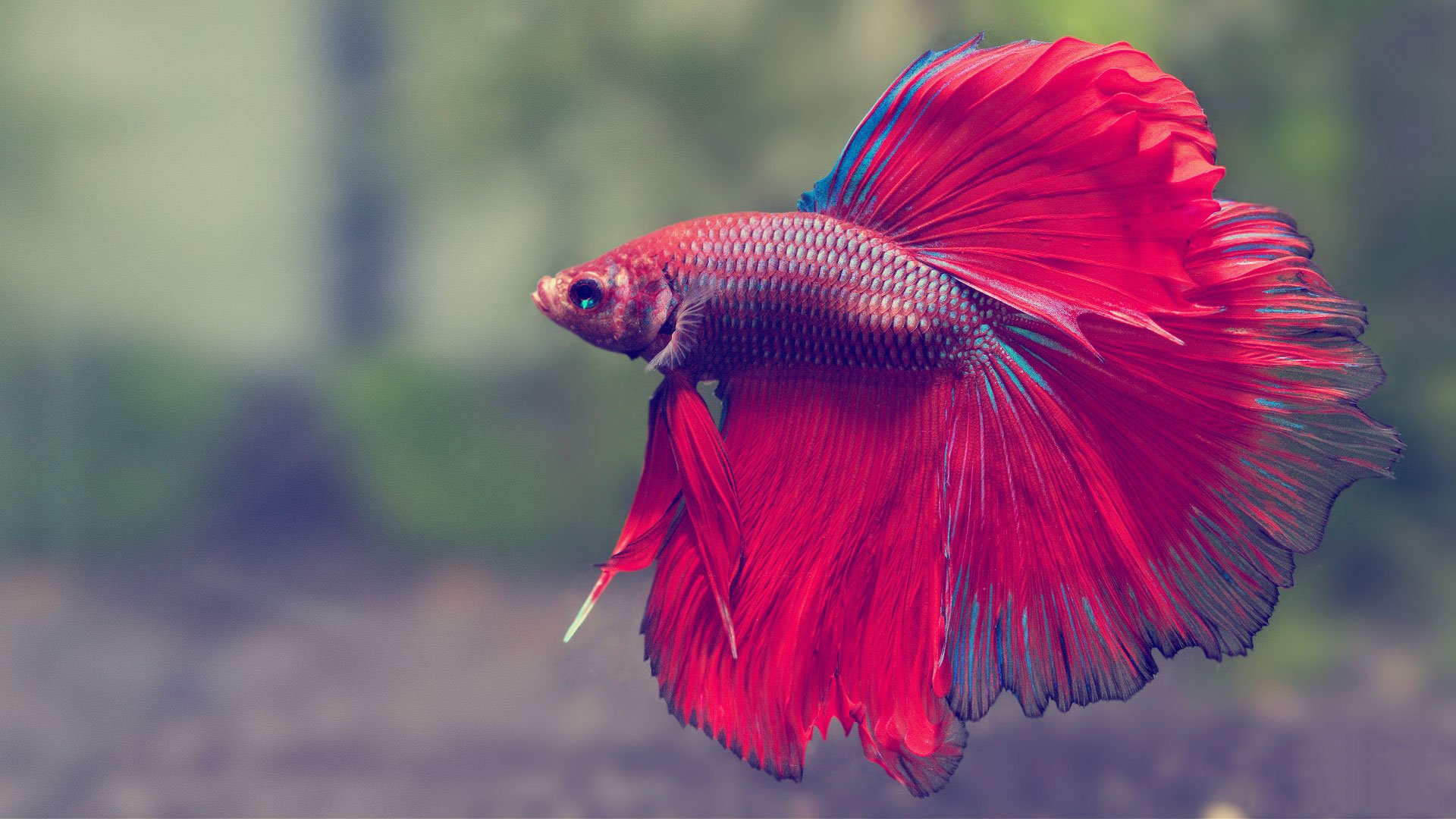
Betta fish are characterized by their aggressive behavior,
especially males, which are known to fight with other males. This is why they
are often kept in separate tanks or in community tanks with other peaceful fish
species.
In addition to their striking appearance, Betta fish are also
easy to care for, making them a popular choice for beginner aquarists. They
require a minimum tank size of 5 gallons, a water temperature between 75 and 82
degrees Fahrenheit, and a pH level between 6.5 and 7.5. They also need a
balanced diet consisting of high-quality Betta-specific pellets, frozen or live
foods such as bloodworms or brine shrimp.
Overall, Betta fish make great pets for those looking to add
a pop of color and activity to their home aquarium.
Appearance
Betta fish are known for their vibrant and striking
appearance, with long flowing fins and bright colors. They can come in a wide
range of colors including red, blue, green, purple, yellow, and white, and some
have multicolored scales and fins.
Males and females have different appearances, with males
being more colorful and having longer, flowing fins. The males also have a
unique feature called the "beard," which is a colorful flap of skin
under their chin that they can flare out during displays of aggression or
courtship.
Females, on the other hand, are less colorful and have
shorter fins, but they are still beautiful in their own way. They tend to be
smaller in size than males, and their bodies are generally more rounded and
plump.
Overall, Betta fish are one of the most visually stunning
fish species, and their appearance is a major reason why they are so popular in
the aquarium hobby.
Behavior
Betta fish are known for their unique and often aggressive
behavior, especially the males. Male Bettas will flare their fins and gill
covers as a way to intimidate other males and protect their territory. This can
result in fighting if another male is present in their vicinity.
While they can be kept with other peaceful fish species in a
community tank, it is important to ensure that the tank is large enough and has
enough hiding places to prevent aggression and territorial disputes.
Bettas are also known for their curious and active nature.
They will often explore their tank and interact with objects and plants in the
environment. They are also known to recognize their owners and may become
excited or swim to the surface of the water when they see their owner
approaching the tank.
In terms of feeding behavior, Bettas are carnivorous and will
eat a variety of foods, including Betta-specific pellets, frozen or live foods
such as bloodworms or brine shrimp. They should be fed small amounts twice a
day to avoid overfeeding, which can lead to health issues.
Overall, Bettas are fascinating fish to observe and interact
with, and their behavior adds to their appeal as a popular aquarium species.
History
The history of Betta fish is intertwined with the culture and
traditions of Thailand, where the species is native. The fish was originally
used for gambling and fighting, with male Bettas being pitted against each
other in battles that could last for hours.
Over time, the popularity of Betta fighting spread to other
parts of the world, including Japan and Indonesia. In the early 20th century,
breeders began to selectively breed Bettas for their striking colors and long,
flowing fins, leading to the development of the Betta splendens variety that is
commonly kept in aquariums today.
Bettas were first introduced to the United States in the
1920s, and they quickly became a popular aquarium fish species due to their
striking appearance and ease of care. Today, they are one of the most popular
fish species in the aquarium hobby, with breeders continuing to develop new
colors and patterns.
While the practice of Betta fighting is now illegal in many
parts of the world, the legacy of these fish as symbols of strength and beauty
lives on, and they remain a beloved pet for many aquarium enthusiasts.
Nutrition
Betta fish are carnivorous and require a diet that is high in
protein. In the wild, they primarily feed on insects, insect larvae, and small
crustaceans. In captivity, it is important to provide them with a balanced diet
that meets their nutritional needs.
Betta-specific pellets are the most common and convenient
food source for Bettas. Look for high-quality pellets that are specifically
formulated for Bettas and contain a high percentage of protein. These pellets
should make up the majority of your Betta's diet.
In addition to pellets, you can also supplement your Betta's
diet with frozen or live foods such as bloodworms, brine shrimp, or daphnia.
These foods are rich in protein and can provide important variety in your
Betta's diet.
It is important to feed your Betta small amounts twice a day,
rather than one large feeding. Overfeeding can lead to health problems such as
constipation and swim bladder issues.
It is also important to note that Bettas are prone to
constipation, so it's a good idea to include some fiber-rich foods in their
diet. Cooked peas or blanched spinach can help regulate their digestion.
Overall, a balanced and varied diet is essential for keeping
your Betta healthy and happy.
Health
Maintaining good health in Betta fish is essential for their
well-being and longevity. Here are some tips for keeping your Betta fish
healthy:
Water quality: Betta
fish require clean and well-maintained water to thrive. Ammonia, nitrite, and
nitrate levels should be kept low, and regular water changes should be
performed to remove any accumulated toxins.
Tank size: Betta
fish should be kept in a tank that is at least 5 gallons in size. A larger tank
will provide more swimming room and dilute any toxins that accumulate in the
water.
Diet: A balanced and varied diet that includes high-quality Betta-specific
pellets, as well as frozen or live foods such as bloodworms, brine shrimp, or
daphnia is essential for maintaining good health in Betta fish.
Temperature: Bettas are tropical fish and require a water temperature
between 75 and 82 degrees Fahrenheit. A heater and thermometer should be used
to maintain a stable temperature.
Water flow: Betta
fish prefer slow-moving water, so it's important to ensure that any filters or
pumps in the tank are not creating strong currents that could stress the fish.
Disease prevention: Quarantining
new fish and regularly monitoring water quality can help prevent the spread of
disease in your tank. It's also important to avoid overcrowding and to ensure
that any tank mates are compatible with your Betta.
If you notice any signs of illness in your Betta fish, such
as lethargy, loss of appetite, or abnormal behavior, it's important to seek
veterinary care immediately.
Grooming
Grooming is not a common practice in Betta fish care, as they
are able to maintain their own hygiene through natural behaviors such as flaring
and swimming. However, there are some things you can do to help keep your Betta
fish healthy and clean:
Regular water changes: Regular
water changes are essential for maintaining good water quality and removing any
accumulated waste or debris in the tank.
Tank decorations: Bettas
enjoy hiding places and plants in their tank, which can also help to collect
debris. It's important to regularly clean these items to prevent the buildup of
harmful bacteria.
Aquarium gravel: If
your tank has gravel or sand substrate, it's important to vacuum it regularly
to remove any accumulated waste or debris.
Light cleaning: If
you notice any algae buildup on the glass or decorations in your tank, you can
use a soft cloth or aquarium-safe algae scraper to remove it. Avoid using harsh
chemicals or abrasive materials that could scratch the glass or harm your fish.
Overall, maintaining good water quality and cleanliness in
your Betta fish's tank is the most important aspect of grooming. Regular
maintenance and monitoring can help ensure that your Betta fish stays healthy
and happy.
Aquarium Care
Aquarium care is essential for maintaining the health and
well-being of Betta fish. Here are some tips for properly caring for your
Betta's aquarium:
Water quality: Regular
water changes are essential for maintaining good water quality in your Betta's
tank. Aim to change about 20-25% of the water once a week, and make sure to
treat any new water with a water conditioner to remove any chlorine or other
harmful chemicals.
Tank size: Bettas
require a tank that is at least 5 gallons in size, but a larger tank is always
better. Make sure the tank has a secure lid to prevent jumping, and that the
filter and heater are appropriately sized for the tank.
Temperature and lighting: Bettas require a stable water temperature between 75 and 82 degrees
Fahrenheit, and should be kept in a well-lit area away from direct sunlight.
Use a thermometer and aquarium light timer to maintain a stable environment.
Decorations and substrate: Bettas enjoy having places to hide, and aquarium decorations such as
plants, caves, and driftwood can provide this. Avoid sharp or rough edges that
could damage your fish, and make sure the substrate (sand, gravel, etc.) is
appropriate for your fish and easy to clean.
Cleaning: In addition to
regular water changes, you should also clean the aquarium glass, decorations,
and substrate as needed to remove any accumulated waste or debris.
Testing: Regularly test the water parameters in your Betta's tank using a water testing
kit to ensure the levels of ammonia, nitrite, nitrate, pH, and other important
parameters are within acceptable ranges.
By following these tips for Betta aquarium care, you can
ensure that your fish stays healthy and happy for years to come.
Compatibility
When it comes to compatibility, Betta fish are known for
being territorial and aggressive towards other fish, especially males. However,
there are some fish and aquatic creatures that can be compatible with Betta
fish under the right circumstances. Here are some things to keep in mind when
considering tank mates for your Betta:
Tank size: The
larger the tank, the more space there is for multiple fish to establish their
own territories and avoid conflict. A tank of at least 10 gallons is
recommended for a community setup with a Betta and other fish.
Personality: Some Betta fish are more aggressive than others, and it's
important to observe your Betta's behavior to determine whether it is likely to
be compatible with other fish. If your Betta is aggressive or territorial, it
may be best to keep it alone.
Tank mates: Some
species of fish and aquatic creatures that can be compatible with Betta fish
include bottom-dwelling fish such as corydoras or kuhli loaches, small
schooling fish such as neon tetras or harlequin rasboras, and peaceful
freshwater shrimp such as ghost shrimp or cherry shrimp.
Introducing tank mates: When introducing new fish to a Betta's tank, it's important to do so
gradually and monitor their behavior closely. Adding new fish all at once can
cause stress and aggression, so add them one or two at a time over several
weeks.
Gender: If you're
considering adding another Betta to your tank, it's important to keep in mind
that males are highly territorial and will likely fight with other males.
Female Bettas can be kept together in groups of three or more, as long as the
tank is large enough and there are plenty of hiding places.
Overall, it's important to carefully research and consider
the compatibility of any potential tank mates before introducing them to your
Betta's tank. With the right setup and approach, Betta fish can coexist with
other fish and aquatic creatures in a peaceful community tank.
Breeding
Breeding Betta fish can be a rewarding but challenging
process. Here are the basic steps involved in breeding Bettas:
Preparing the breeding tank: Set up a separate breeding tank that is at least 5 gallons in
size, and fill it with aged or treated water. Add live plants, a sponge filter,
and a heater set to a temperature between 78 and 80 degrees Fahrenheit.
Choosing breeding pair: Select a male and female Betta fish that are healthy, mature, and have
desirable characteristics. Introduce them to the breeding tank at the same
time, and observe their behavior to ensure they are compatible.
Conditioning: Feed
the breeding pair a high-protein diet of live or frozen foods to condition them
for breeding. Increase feeding frequency and water changes during this time.
Breeding: When the female Betta shows vertical stripes on her body, it's a sign
that she is ready to breed. Introduce the male to the tank, and watch for the
mating process, which involves the male wrapping his body around the female and
releasing sperm to fertilize the eggs.
Removing the female: Once
the breeding is complete, remove the female from the breeding tank to prevent
the male from becoming aggressive towards her.
Caring for the eggs: The
eggs will be attached to a surface, such as a plant or bubble nest, and the
male will care for them by fanning them with his fins and removing any
unfertilized or dead eggs. Once the eggs hatch, the male will continue to care
for the fry for several weeks.
Breeding Betta fish requires careful preparation,
observation, and attention to detail. It's important to have a thorough
understanding of the breeding process and to be prepared for the responsibility
of caring for the fry once they hatch.
Conclusion
In conclusion, Betta fish are a popular and unique species of
fish that require specific care and attention. They are known for their bright
colors and unique personalities, but can also be territorial and aggressive
towards other fish. Proper nutrition, grooming, and aquarium care are crucial
for their health and well-being. When it comes to compatibility, Betta fish can
coexist with other fish and aquatic creatures under the right circumstances,
and breeding Betta fish can be a rewarding but challenging process. With proper
care and attention, Betta fish can make wonderful pets and bring joy to their owners
for many years.
