
Loach Fish
Introduction
Loaches are a type of freshwater fish that belong to the
family Cobitidae. They are found in a wide range of habitats across Asia,
Europe, and northern Africa. Loaches are known for their long, slender bodies
and barbels around their mouths. They are bottom-dwelling fish that often spend
their time scavenging for food.
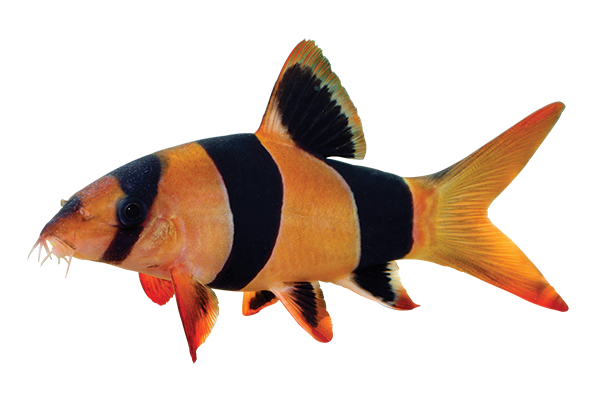
There are many different species of loaches, with varying
sizes and colors. Some of the most popular species among aquarium enthusiasts
include the clown loach, the kuhli loach, the yo-yo loach, and the dojo loach.
Loaches are known for their unique behaviors, including their
ability to burrow into substrate and their tendency to form social groups. They
can be kept in community aquariums with other peaceful species, although some
species may be territorial and aggressive towards others of their own kind.
Overall, loaches can make interesting and entertaining
additions to a freshwater aquarium, but it is important to research the
specific species to ensure they are compatible with the tank's inhabitants and
water conditions.
Behavior
The behavior of loaches can vary depending on the species,
but in general, they are active and curious fish that can be entertaining to
watch. Here are some common behaviors you might observe in loaches:
Burrowing: Many species of loaches are known for their ability to
burrow into substrate. They use their long, slender bodies to tunnel through
sand or gravel, often in search of food or to create a hiding place.
Schooling: Some species of loaches, such as the clown loach, are known
for their social behavior and tendency to form schools. These groups can be
quite active and playful, often swimming and playing together.
Bottom-dwelling: Loaches
are bottom-dwelling fish that spend much of their time scavenging for food.
They may sift through sand or gravel looking for bits of food, or pick at algae
or other plant material on rocks or decorations.
Territoriality: Some species of loaches can be territorial, especially
towards others of their own kind. They may establish a territory and defend it
against other fish, or even against their own kind.
Nocturnal behavior: Some
species of loaches are more active at night, and may spend their days hiding in
caves or under decorations. If you have a nocturnal species of loach in your
aquarium, you might need to observe them in the evening or use special lighting
to see their behavior.
Overall, loaches can be fascinating fish to observe, with a
variety of interesting and entertaining behaviors.
Aquarium Care
Proper aquarium care is essential for the health and
well-being of loaches. Here are some important factors to consider when caring
for loaches in an aquarium:
Tank size: Loaches
can vary in size depending on the species, but most need a spacious tank with
plenty of room to swim and explore. As a general rule, aim for at least 20
gallons per loach, and more if you have a larger species or a group of loaches.
Water quality: Loaches
require clean, well-filtered water to thrive. Regular water changes, testing
for ammonia, nitrite, and nitrate levels, and maintaining appropriate pH and
temperature levels are all important for keeping the water healthy.
Substrate: Many species of loaches enjoy burrowing into substrate, so a
sandy or gravel substrate is ideal. Be sure to choose a substrate that is
appropriate for your specific species of loach.
Decorations: Loaches
appreciate plenty of hiding places, such as caves, rocks, and driftwood. Live
plants can also be a great addition to an aquarium with loaches, as they can
help maintain water quality and provide a natural environment.
Tankmates: Loaches are generally peaceful fish, but it's important to
choose tankmates that are compatible with your specific species of loach. Avoid
keeping loaches with aggressive or territorial fish, and be aware that some
species of loaches may be more aggressive than others.
Feeding: Loaches are omnivorous, and enjoy a variety of foods such as sinking
pellets, algae wafers, and live or frozen foods like brine shrimp or
bloodworms. Be sure to feed your loaches a balanced diet and avoid overfeeding,
which can lead to health problems.
By following these guidelines, you can create a healthy and
stimulating environment for your loaches to thrive in.
Compatibility
Loaches are generally peaceful fish that can be kept with a
variety of other freshwater species, but it's important to choose tankmates
that are compatible with your specific species of loach. Here are some factors
to consider when selecting tankmates for your loaches:
Temperament: Choose peaceful fish that are unlikely to bother or harass
your loaches. Avoid aggressive or territorial fish, as well as fin-nipping
species like barbs.
Size: Be sure to choose tankmates that are similar in size to your loaches.
Large fish may view loaches as prey, while small fish may be viewed as food by
larger loaches.
Habitat: Consider the natural habitat of your loach species, and choose tankmates
that have similar requirements. For example, if you have a species that prefers
a sandy substrate, choose other fish that are compatible with sand as well.
Water parameters: Choose
tankmates that have similar requirements for water temperature, pH, and
hardness as your loaches. Avoid mixing species that have vastly different
requirements, as this can cause stress and health problems.
Some good tankmates for loaches include peaceful community
fish like tetras, rasboras, and gouramis, as well as other bottom-dwelling
species like corydoras catfish and plecos. Avoid keeping loaches with
aggressive or territorial fish like cichlids, and be aware that some loach
species may be more aggressive than others. It's always a good idea to research
the specific needs and behaviors of any fish before adding them to your
aquarium.
Health
Maintaining good health is crucial for the well-being of your
loaches. Here are some tips for keeping your loaches healthy:
Water quality: Loaches
are sensitive to changes in water quality, so it's important to keep their
aquarium clean and well-maintained. Regular water changes, testing for ammonia,
nitrite, and nitrate levels, and maintaining appropriate pH and temperature
levels are all important for keeping the water healthy.
Diet: Loaches are
omnivorous and need a balanced diet that includes both plant and animal matter.
Feed them a variety of foods, including sinking pellets, algae wafers, and live
or frozen foods like brine shrimp or bloodworms. Be sure to avoid overfeeding,
which can lead to health problems.
Disease prevention: To
prevent the spread of disease, quarantine any new fish before adding them to
your main aquarium. Keep your aquarium clean and maintain good water quality to
reduce the risk of disease.
Observation: Watch
your loaches closely for any signs of illness or distress. Common signs of
health problems include lethargy, loss of appetite, rapid breathing, and
abnormal swimming behavior. If you notice any of these symptoms, take action
promptly to prevent the spread of disease.
Parasite prevention: Loaches
can be susceptible to parasitic infections, such as ich or flukes. To prevent
these infections, maintain good water quality, avoid overfeeding, and provide a
healthy diet. If your loaches do become infected, treat them promptly with an
appropriate medication.
By following these tips, you can help keep your loaches
healthy and happy. Remember to always research the specific needs of your loach
species, and seek advice from a veterinarian or experienced aquarist if you
have any concerns about their health.
Breeding
Breeding loaches in an aquarium can be challenging, as many
species require specific conditions and behaviors to trigger breeding. However,
with the right setup and care, it is possible to breed some species of loaches.
Here are some general tips for breeding loaches:
Species selection: Choose
a species of loach that is known to breed in captivity. Some species, such as
the kuhli loach, are more commonly bred in aquariums than others.
Tank setup: Provide
a suitable breeding environment for your loaches. This may include a specific
substrate, plants, or decorations that mimic the natural habitat of your
species.
Water parameters: Loaches
may require specific water parameters to trigger breeding behavior. Research
the specific requirements for your species of loach, and maintain appropriate
water quality and temperature.
Feeding: A healthy diet is
important for breeding loaches. Feed them a variety of foods, including live or
frozen foods like bloodworms, brine shrimp, and daphnia.
Breeding behavior: Observe
your loaches closely for signs of breeding behavior. This may include courting
rituals, chasing or nipping behavior, and spawning activity.
Separation: Once the eggs are laid, it's important to
separate the adults from the eggs to prevent them from being eaten. Provide a
suitable environment for the eggs to hatch and develop, and be sure to feed the
fry appropriately once they hatch.
Breeding loaches can be challenging, but with the right
conditions and care, it is possible to successfully breed many species in an
aquarium setting. Remember to research the specific needs of your species of
loach, and seek advice from experienced breeders or aquarists if you need
additional guidance.
Grooming
Loaches do not require grooming in the traditional sense, as
they are able to keep themselves clean by swimming and rubbing against objects
in the aquarium. However, there are a few things you can do to keep your
loaches looking and feeling their best:
Tank maintenance: Regular
tank maintenance is important for the health and well-being of your loaches.
Clean the aquarium regularly to remove any debris or waste, and perform regular
water changes to maintain good water quality.
Substrate: Choose a suitable substrate for your loaches that is easy to
clean and maintain. Avoid substrates that can trap waste or debris, as this can
lead to poor water quality and health problems.
Decorations: Provide your loaches with plenty of hiding places and
decorations in the aquarium. This will help them feel secure and comfortable,
and can reduce stress and aggression.
Diet: A healthy diet is
important for the overall health and appearance of your loaches. Feed them a
variety of high-quality foods to keep them healthy and vibrant.
Observation: Watch your loaches closely for any signs of health problems,
such as lethargy, loss of appetite, or unusual behavior. If you notice any of
these symptoms, take action promptly to prevent further health problems.
In summary, while loaches do not require grooming in the
traditional sense, maintaining good tank conditions, providing a suitable
substrate and decorations, feeding a healthy diet, and observing your loaches
closely for signs of health problems can help keep them looking and feeling
their best.
Nutrition
Loaches are omnivorous fish, which means they eat both plant
and animal matter. In the wild, they feed on a variety of foods, including algae,
insects, crustaceans, and small fish. To keep your loaches healthy in
captivity, it's important to provide them with a balanced diet that meets their
nutritional needs. Here are some tips for feeding your loaches:
Variety: Offer your loaches a variety of foods to ensure they get a balanced
diet. This may include sinking pellets, algae wafers, live or frozen foods like
bloodworms, brine shrimp, and daphnia, and even small amounts of vegetables
like zucchini or cucumber.
Frequency: Feed your loaches small amounts of food two to three times a
day, rather than one large feeding. This will help prevent overfeeding and
maintain good water quality.
Sinking foods: Loaches are bottom-dwelling fish, so it's important to offer
them sinking foods that will reach the bottom of the aquarium. This will ensure
they get enough to eat and prevent other fish from competing for food.
Observation: Watch your loaches closely while feeding to ensure they are
eating and to prevent overfeeding. Remove any uneaten food from the aquarium
after feeding to maintain good water quality.
Supplementation: Consider supplementing your loaches' diet with vitamins and
minerals to ensure they get all the nutrients they need. This may include
adding a high-quality fish vitamin supplement to their food.
By following these tips, you can ensure your loaches get a
balanced diet that meets their nutritional needs. Remember to research the
specific dietary requirements of your species of loach, and seek advice from a veterinarian
or experienced aquarist if you have any concerns about their nutrition.
Conclusion
In conclusion, loaches are an interesting and popular species of aquarium fish that require specific care and attention to keep them healthy and thriving in captivity. They come in a wide range of colors, sizes, and behaviors, and can be a fascinating addition to any aquarium. Some important aspects of loach care include providing a suitable tank environment, maintaining good water quality, feeding a balanced diet, and observing your loaches closely for signs of health problems or behavioral issues. With the right care and attention, loaches can live for many years and provide a lot of enjoyment for their owners.
