
Axolotl (Exotic Pet)
Introduction
The axolotl
is a fascinating and unique exotic pet. Native to Mexico, it is a type of
salamander that retains its larval characteristics throughout its life, giving
it a distinct appearance. Here are some key points to introduce the axolotl as
an exotic pet:
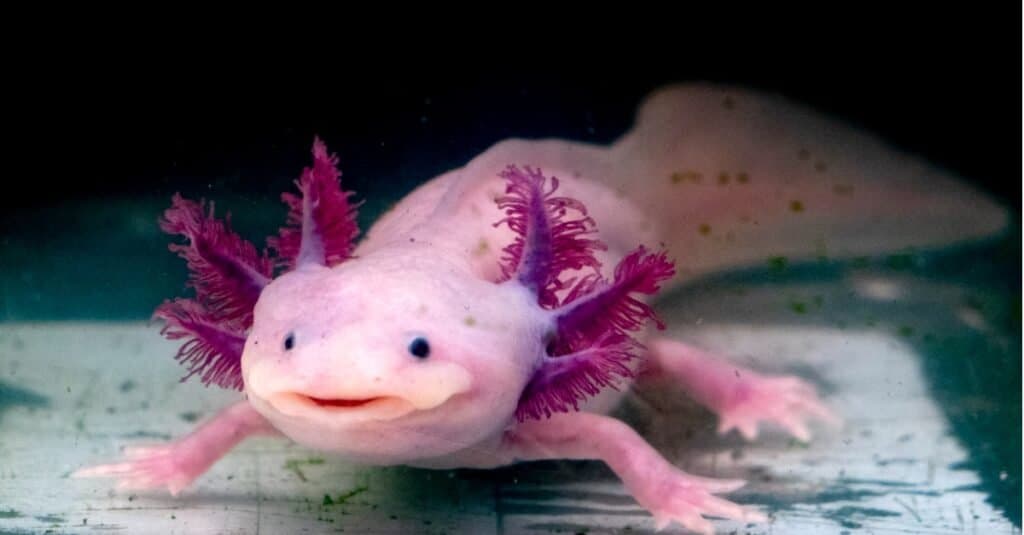
Appearance: Axolotls have a long, slender body
with external gills, feathery external branches called "frills," and
a wide variety of colors, including shades of brown, black, albino, and other
vibrant hues.
Low-maintenance: Axolotls are relatively
low-maintenance pets. They require a suitable aquatic environment, regular
feeding, and monitoring of water conditions, but they don't need walks or
extensive exercise.
Aquatic
habitat: Axolotls
are fully aquatic creatures and need a well-maintained tank with clean,
filtered water. The tank should be adequately sized, with appropriate hiding
spots, plants, and a substrate suitable for their delicate skin.
Temperature
and water quality:
Axolotls are cold-water animals and prefer temperatures around 60-68°F
(15-20°C). Consistently monitoring and maintaining proper water quality
parameters (pH, ammonia, nitrite, and nitrate levels) is crucial for their
health.
Feeding: Axolotls are carnivorous and
primarily eat small aquatic invertebrates like worms, brine shrimp, daphnia,
and occasionally small fish. Providing a varied diet is essential for their
nutrition.
Handling
and interaction:
Axolotls have delicate skin that can be easily damaged, so handling should be
minimized and done with wet hands or using a soft net when necessary. While
they may not crave interaction like other pets, they can still be observed and
admired for their unique behaviors.
Lifespan
and size: Axolotls
have an average lifespan of 10-15 years, but with proper care, they can live up
to 20 years or more. They typically grow to be around 9-12 inches long,
although some individuals can reach larger sizes.
Legal
considerations:
Before getting an axolotl as a pet, ensure it is legal to own one in your area.
Some jurisdictions have restrictions on keeping axolotls due to concerns about
their potential impact on local ecosystems.
Remember,
owning an axolotl requires commitment, time, and effort to provide them with a
suitable habitat and care. Researching and consulting with experienced owners
or herpetologists will help ensure a positive and fulfilling experience with
these captivating creatures.
Appearance
The axolotl
has a unique and captivating appearance. It has a long, slender body with four
short legs, each ending in delicate fingers or toes. One of the most
distinctive features of the axolotl is its external gills, which resemble
feathery branches on either side of its head. These gills allow the axolotl to
breathe underwater.
Axolotls
come in various colors and patterns, including shades of brown, black, gray,
albino, and even rare leucistic or golden morphs. Some axolotls exhibit
iridescence, giving them a shimmering quality. Their skin is smooth and
sometimes speckled, and they have small eyes that are often black or dark in
color.
Overall, the
axolotl's appearance is often described as cute, otherworldly, and enchanting,
making it a visually captivating exotic pet.
History
The axolotl
(Ambystoma mexicanum) has a rich history that spans several centuries. Here are
some key points about its history:
Ancient
origins: Axolotls
are native to the ancient lakes of Xochimilco and Chalco in central Mexico.
They have a history that dates back thousands of years, with their existence
documented in Aztec mythology and art.
Sacred
creature: In Aztec
culture, the axolotl was revered and considered a sacred animal associated with
the god Xolotl, who was believed to have transformed into an axolotl to escape
death. The Aztecs also considered axolotls to be a delicacy and used them in
medicinal practices.
Scientific
discovery: The
axolotl gained scientific attention in the 19th century when French scientist
Alexander Brongniart first described it in 1821. Since then, it has become an
important model organism for scientific research due to its unique ability to
regenerate various body parts, including limbs, spinal cord, and even parts of
its heart and brain.
Threats
and endangered status: The natural habitats of axolotls have been greatly impacted by
urbanization, pollution, and the introduction of non-native species. As a
result, the wild population has declined significantly, and axolotls are
considered critically endangered in their native range.
Captive
breeding and popularity as pets: Due to their fascinating appearance and interesting
characteristics, axolotls have gained popularity as exotic pets. Captive
breeding programs have been established to help conserve and maintain their
genetic diversity. Axolotls are now bred in various color morphs and patterns,
further increasing their appeal to enthusiasts.
Research
significance:
Axolotls are studied for their remarkable regenerative abilities, which could
potentially provide insights into human tissue regeneration and healing.
Scientists continue to investigate the genetic and cellular mechanisms that
enable axolotls to regenerate with such proficiency.
Today, the
axolotl holds a special place in both scientific research and the pet trade.
Efforts are being made to protect their remaining wild populations and preserve
their unique genetic traits through conservation initiatives and captive
breeding programs.
Behavior
The axolotl
(Ambystoma mexicanum) exhibits interesting behaviors that are characteristic of
its unique nature as an aquatic salamander. Here are some key points about
axolotl behavior:
Docile
and calm: Axolotls
are generally docile and calm creatures. They spend most of their time at the
bottom of their aquatic habitat, resting or slowly moving around. They are not
known for being active swimmers like fish.
Nocturnal: Axolotls are primarily nocturnal,
meaning they are most active during the night. They have adapted to this
lifestyle by having sensitive eyes and a keen sense of smell to navigate their
environment and locate prey.
Predatory
feeding: As carnivorous
creatures, axolotls are skilled hunters. They primarily feed on small aquatic
invertebrates like worms, insects, snails, and small crustaceans. Axolotls use
a suction-feeding technique, where they quickly open their mouths and create a
vacuum to draw in prey.
Regenerative
abilities: One of
the most remarkable behaviors of axolotls is their extraordinary regenerative
capabilities. They have the ability to regrow lost or damaged body parts,
including limbs, spinal cord, and even parts of their heart and brain. This
regenerative ability sets them apart from most other animals.
Burrowing
and hiding: Axolotls
are known to be burrowers. They often create tunnels and hide in the substrate
or among aquatic plants to seek shelter and protection. Providing suitable
hiding spots in their habitat is essential for their well-being and to reduce
stress.
Social
behavior: While
axolotls are not social in the same way as mammals, they can be kept together
in the same tank under appropriate conditions. However, it's important to
ensure that tank mates are compatible in terms of size and not aggressive
towards each other.
Communication: Axolotls communicate through a
combination of visual cues and chemical signals. They may use visual displays,
such as displaying their frills or posturing, to assert dominance or establish
territories. They also release chemical signals called pheromones, which can
convey information about their reproductive state and social interactions.
Understanding
and appreciating the natural behaviors of axolotls is essential for providing
them with an environment that meets their needs and promotes their well-being.
By creating a suitable habitat and offering appropriate enrichment, owners can
observe and enjoy the unique behaviors of these captivating creatures.
Health
Maintaining
the health of an axolotl requires proper care and attention to their specific
needs. Here are some important points to consider regarding the health of
axolotls:
Water
quality: Axolotls
are highly sensitive to water quality, so it is crucial to maintain clean and
well-filtered water in their tank. Regular monitoring of water parameters such
as pH, ammonia, nitrite, and nitrate levels is essential. Ammonia and nitrite
should be kept at zero, and nitrate levels should be kept low (below 20-40 ppm)
through regular water changes.
Temperature
and water conditions:
Axolotls are cold-water animals and prefer temperatures around 60-68°F
(15-20°C). Fluctuations in temperature or exposure to extreme heat can stress
or harm them. Additionally, axolotls require a low-flow environment as excessive
water movement can stress their gills.
Diet and
feeding: Providing a
balanced and appropriate diet is crucial for axolotl health. Their diet
primarily consists of live or frozen food such as bloodworms, brine shrimp,
daphnia, and small aquatic invertebrates. Feeding should be done in moderation,
avoiding overfeeding and ensuring that food items are appropriately sized for
their mouths.
Handling
and stress reduction:
Axolotls have delicate skin that can be easily damaged, so handling should be
kept to a minimum and done with wet hands or using a soft net when necessary.
Stress can compromise their immune system, so it's important to provide them
with a calm and suitable environment, free from loud noises or sudden
movements.
Disease
prevention: Axolotls
are generally hardy, but they can be susceptible to certain health issues such
as bacterial or fungal infections, parasites, and injuries. Maintaining good
water quality, regular observation for any signs of illness (such as loss of
appetite, lethargy, changes in skin color or texture), and prompt treatment if
necessary are vital for their well-being.
Quarantine
and introducing new axolotls: When introducing new axolotls to an existing tank or
collection, it is important to quarantine them first to prevent the spread of
potential diseases or parasites. Quarantine helps ensure that the new axolotl
is healthy before introducing it to the established group.
Veterinary
care: If an axolotl
shows signs of illness or if you have concerns about its health, it is recommended
to consult a veterinarian experienced in exotic animals or amphibians. A
qualified veterinarian can provide appropriate diagnosis, treatment, and
guidance for any health issues.
Regular
observation, providing a suitable environment, and addressing any concerns
promptly are key to maintaining the health and well-being of axolotls. Being
proactive and attentive to their needs will help ensure that they thrive in
captivity.
Nutrition
Proper
nutrition is essential for the health and well-being of axolotls. As
carnivorous animals, their diet mainly consists of live or frozen foods that
replicate their natural prey. Here are some key points to consider regarding
the nutrition of axolotls:
Variety
of foods: Offering a
varied diet is crucial to ensure that axolotls receive a balanced nutritional
intake. Their diet should include a mix of protein sources to provide essential
nutrients. Common food options include bloodworms, brine shrimp, daphnia,
blackworms, small earthworms, and occasionally small fish (guppies or minnows).
Size and
frequency of feeding:
Axolotls have a healthy appetite but should not be overfed. Feeding should be
done in moderation, and the size of the food should be appropriate for the size
of the axolotl's mouth. Generally, axolotls can be fed every 1-2 days, offering
an amount of food that they can consume within 5-10 minutes.
Feeding
techniques: Axolotls
are visual hunters and often rely on movement to locate their prey. Moving food
items such as live worms or shrimp with tweezers or forceps can help stimulate
their feeding response. If using frozen foods, thaw them before offering them
to the axolotl.
Supplementation: In some cases, supplementation with
calcium and vitamin D3 may be necessary to support proper bone and skeletal
development in axolotls. Consultation with a veterinarian experienced in exotic
animals can help determine if supplementation is needed and the appropriate
dosage.
Avoiding
inappropriate food items: Axolotls should not be fed foods that are high in fat, such as mealworms
or tubifex worms, as these can lead to fatty liver disease. Additionally, avoid
offering foods that are too large for the axolotl to swallow, as it may cause
choking or digestive issues.
Water
quality and feeding:
Axolotls may accidentally ingest substrate or tank debris while feeding, which
can lead to blockages or impaction. To prevent this, feed axolotls in a
separate container or use feeding dishes that can be easily removed from the
tank.
Monitoring
and adjusting diet:
Regular observation of the axolotl's body condition is important. Adjust the
feeding amount and frequency if the axolotl appears overweight or underweight.
A healthy axolotl should have a robust body shape without visible ribs, and
their abdomen should not appear distended.
Remember to
provide clean and filtered water for axolotls, as water quality affects their
overall health and digestion. Consulting with a veterinarian or experienced
axolotl keeper can provide valuable guidance on specific dietary needs and any
adjustments required for the individual axolotl.
Grooming
Grooming for
axolotls primarily involves maintaining the cleanliness of their aquatic
habitat and ensuring their skin remains in good condition. Here are some
important points to consider regarding axolotl grooming:
Tank
cleanliness: Regular
maintenance of the axolotl's tank is crucial to keep their environment clean
and free from waste or debris. Perform regular water changes to maintain water
quality and remove any uneaten food, feces, or excess debris that may
accumulate in the tank.
Filter
maintenance: Axolotl
tanks should have a suitable filtration system to help keep the water clean.
Regularly clean and maintain the filter according to the manufacturer's
instructions to ensure it functions properly and effectively removes waste and impurities
from the water.
Substrate
and tank decorations:
Choose a suitable substrate for the axolotl tank that is easy to clean and
doesn't pose a risk of ingestion or abrasion to the axolotl's delicate skin.
Avoid rough or sharp materials that could cause injuries. Tank decorations
should also be cleaned regularly to prevent the buildup of algae or bacteria.
Skin
care: Axolotls have
delicate skin that is sensitive to rough surfaces and chemicals. Avoid using
soap or harsh cleaning agents when handling them or cleaning their tank, as
these can irritate their skin. Rinse your hands thoroughly with water before
handling them to remove any potential contaminants.
Avoid
excessive handling:
Axolotls do not require regular grooming or brushing like other pets. Excessive
handling can stress them and may damage their skin. It is best to minimize
handling to essential tasks such as transferring them to a temporary container
for tank maintenance or veterinary care.
By
maintaining a clean and suitable environment for axolotls, you can help ensure
their skin remains healthy and their overall well-being is maintained. Regular
monitoring of the tank conditions and cleanliness will go a long way in
providing a comfortable and safe habitat for your axolotl.
Treatment
When it
comes to treating health issues or injuries in axolotls, it is essential to
consult a veterinarian experienced in exotic animals or amphibians. However,
here are some general considerations for treatment:
Diagnosing
the problem: If you
notice any signs of illness or injury in your axolotl, such as changes in
behavior, loss of appetite, abnormal growths, or unusual skin conditions, it is
important to seek veterinary assistance. A veterinarian will perform a thorough
examination and may recommend additional tests or diagnostics to determine the
underlying cause.
Medication
and treatments:
Depending on the diagnosis, your veterinarian may prescribe specific
medications or treatments for your axolotl. This can include antibiotics for
bacterial infections, antifungal medications for fungal infections, or specific
treatments for parasites or other health issues. It is important to follow the
veterinarian's instructions regarding dosage and duration of treatment.
Isolation
and quarantine: If
your axolotl is diagnosed with a contagious condition, it may be necessary to isolate
or quarantine the affected individual to prevent the spread of disease to other
axolotls in the tank. Your veterinarian can provide guidance on appropriate
quarantine procedures and precautions.
Water
quality management:
Maintaining optimal water quality is crucial for the health and recovery of an
axolotl. Ensure that water parameters are within the appropriate range, perform
regular water changes, and monitor ammonia, nitrite, nitrate levels, and pH.
Your veterinarian may recommend specific water treatments or adjustments based
on the diagnosis.
Supportive
care: Depending on
the situation, your veterinarian may recommend supportive care measures to aid
in the axolotl's recovery. This can include adjustments to the diet, providing
a stress-free environment, or assisting with wound care.
Follow-up
care: After
initiating treatment, it is important to closely monitor your axolotl's
progress and follow any post-treatment care instructions provided by the
veterinarian. This may include follow-up visits or additional treatments as
needed.
Remember,
each axolotl and health situation is unique, and professional veterinary advice
should always be sought for proper diagnosis and treatment. The veterinarian
will provide you with specific instructions tailored to your axolotl's needs
and condition.
Conclusion
In
conclusion, axolotls are fascinating and captivating exotic pets. Their unique
appearance, including their external gills, slender bodies, and various color
morphs, makes them visually enchanting. Axolotls have a rich history, from
their revered status in Aztec culture to their significance in scientific
research due to their regenerative abilities.
To ensure
the well-being of axolotls, it is important to provide them with a suitable
habitat, maintain good water quality, and offer a balanced diet consisting of
live or frozen foods. Monitoring their health, observing their behavior, and
addressing any concerns promptly are crucial for their overall care.
Axolotls
require minimal grooming, primarily focused on maintaining a clean tank and
ensuring their delicate skin remains healthy. If any health issues or injuries
arise, consulting a veterinarian experienced in exotic animals or amphibians is
essential for proper diagnosis and treatment.
With proper
care and attention, axolotls can thrive as captivating and unique pets,
bringing joy and fascination to their owners.
Axolotl (Exotic Pet)
