
Savannah Cat (Exotic Pet)
Introduction
The Savannah
cat is an exotic breed of domestic cat that is known for its striking
appearance and wildcat-like features. It is a crossbreed between a domestic cat
and a serval, a medium-sized African wildcat. Savannah cats are larger than
typical domestic cats and can weigh up to 25 pounds or more.
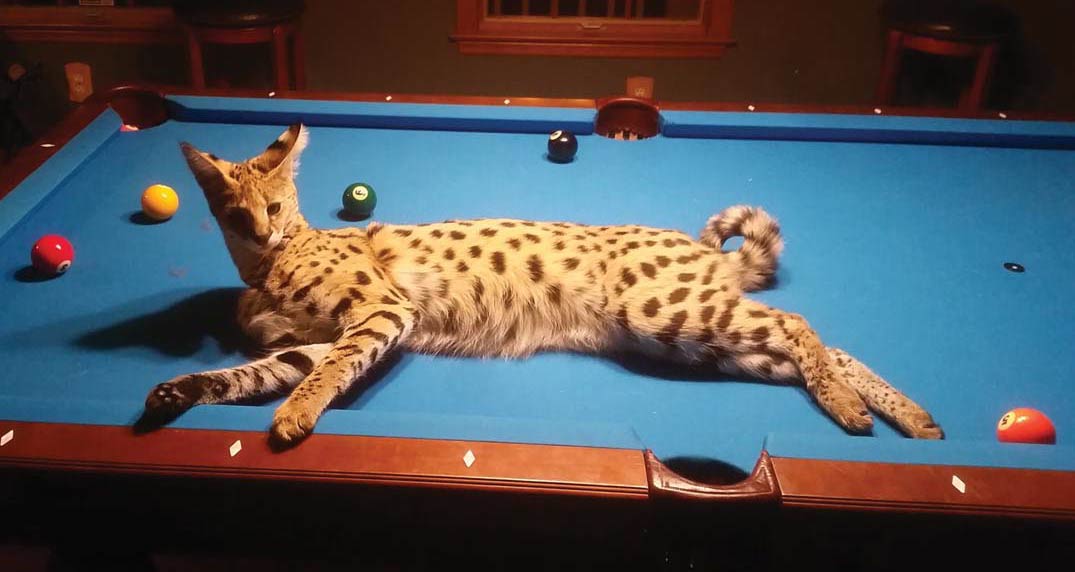
These cats
have a unique coat pattern that resembles that of a serval, with spots and
stripes on a lighter background. They also have long legs, a slender body, and
large, rounded ears. Their coat can come in various colors, including brown,
silver, and black.
One of the
distinguishing characteristics of Savannah cats is their active and playful
nature. They are known for their high energy levels and love to explore their
surroundings. These cats are often described as dog-like because they can be
trained to walk on a leash, play fetch, and even learn other tricks.
However,
it's important to note that owning a Savannah cat is not for everyone. They
require a lot of attention, mental stimulation, and exercise to thrive. Due to
their wild heritage, they may have different dietary and behavioral needs
compared to regular domestic cats.
In some
regions, there may be legal restrictions or regulations regarding owning a
Savannah cat due to concerns about their potential impact on the environment
and public safety. It is crucial to check the local laws and regulations before
considering a Savannah cat as a pet.
If you are
interested in owning a Savannah cat, it is recommended to purchase one from a
reputable breeder who follows ethical breeding practices and prioritizes the
welfare of the cats. Responsible breeders will provide information and guidance
on proper care, socialization, and any specific requirements for this unique
breed.
Overall,
Savannah cats can make fascinating and affectionate companions for the right owners
who are willing to dedicate time, effort, and resources to meet their specific
needs.
Appearance
The Savannah
cat is a visually striking and exotic-looking breed. Here are some key features
of their appearance:
Size: Savannah cats are larger than
typical domestic cats. They can range in size from medium to large, with males
being larger than females. Some Savannah cats can grow to be as big as 25
pounds or more.
Body: They have a long, lean, and muscular
body with a graceful and athletic build. Their hind legs are slightly longer
than their front legs, giving them a unique appearance.
Coat: Savannah cats have a short to
medium-length coat with a distinctive pattern. Their coat can come in different
colors, including brown, silver, and black. The coat pattern resembles that of
a serval, with spots, stripes, or a combination of both on a lighter
background.
Ears: One of the most prominent features
of a Savannah cat is its large, wide-set ears. The ears are often rounded at
the tips and may have ocelli, which are light-colored spots on the back that
mimic those found on servals.
Face: They have a triangular-shaped face
with a slightly longer nose compared to other domestic cat breeds. Their eyes
are usually large and expressive, and the color can vary.
Overall, the
Savannah cat's appearance is a blend of wildcat features and domestic cat
characteristics, making them highly distinctive and eye-catching.
History
The history
of the Savannah cat begins in the 1980s when a Bengal cat breeder named Judee
Frank crossbred a male serval with a Siamese cat. The goal was to create a
domestic cat breed that exhibited the striking appearance of a serval but with
a more manageable temperament.
The
resulting kittens were unique in their appearance and caught the attention of
Patrick Kelly, another Bengal breeder. Kelly saw the potential in this new
hybrid breed and decided to further develop it. He acquired one of Frank's
kittens, named Savannah, and crossed her with a male Egyptian Mau. This cross
resulted in the first-generation Savannah cats, known as F1s.
The breeding
program continued, and subsequent generations were produced by crossing
Savannah cats with domestic cats, including Egyptian Maus, Ocicats, and other
breeds. As the generations progressed, the breeders aimed to maintain the
distinctive appearance of the Savannah cat while reducing the wildcat traits
and increasing domesticity.
In 2001, The
International Cat Association (TICA) accepted the Savannah cat breed for
registration. Since then, TICA has established specific breed standards for the
Savannah cat, defining the desired traits and characteristics.
The
popularity of Savannah cats has grown steadily over the years. They are still
considered a relatively rare and exotic breed due to their unique heritage and
striking appearance. Today, there are dedicated breeders around the world who
continue to produce and promote Savannah cats while prioritizing their health,
temperament, and welfare.
It's worth
noting that the breeding and ownership of Savannah cats may be regulated or
restricted in some regions due to concerns about hybridization and the
potential impact on local wildlife or public safety. It is important for
prospective owners to research and comply with the applicable laws and
regulations in their area.
Behavior
Savannah
cats are known for their active, curious, and playful nature. Here are some
behavioral characteristics commonly associated with this breed:
High
Energy: Savannah
cats are highly energetic and require regular physical exercise and mental
stimulation to stay happy and healthy. They enjoy interactive play sessions,
puzzle toys, and engaging in activities that mimic hunting behaviors.
Playfulness: These cats retain their playful
nature throughout their lives. They are known to be particularly fond of
interactive toys and games that challenge their intelligence and agility.
Socialization: Savannah cats can form strong bonds
with their human companions and enjoy being involved in their daily activities.
They are often described as being more dog-like in their loyalty and desire for
social interaction.
Curiosity
and Exploration:
Savannah cats have a natural curiosity and love to explore their surroundings.
They may investigate every nook and cranny of their environment, so it's
important to provide them with a safe and enriched living space.
Vocalization: While individual personalities can
vary, Savannah cats are generally not overly vocal. They may communicate
through chirping, hissing, or meowing, but they are not as vocal as some other
breeds.
Trainability: Savannah cats are highly intelligent
and can be trained to perform tricks, walk on a leash, or respond to commands.
They are quick learners and can thrive with positive reinforcement training
methods.
Water
Fascination: Many
Savannah cats have a unique fascination with water. They may enjoy playing with
running water, splashing in a shallow pool, or even joining their owners in the
shower or bath.
It's
important to note that individual Savannah cats can have different
personalities and behaviors, influenced by genetics, early socialization, and
individual experiences. Early socialization and positive reinforcement training
are essential to ensure that they grow up to be well-adjusted and sociable
companions. Providing them with ample outlets for their energy and stimulation
is also crucial to prevent boredom-related behavior issues.
Health
Savannah
cats are generally considered healthy and robust, but they can be prone to
certain health issues. It's important to be aware of these potential health
concerns and provide proper veterinary care. Here are some health aspects to
consider:
Hypertrophic
Cardiomyopathy (HCM):
This is a heart condition that can affect Savannah cats, as well as other
breeds. Regular veterinary check-ups, including cardiac screenings, are
recommended to monitor and detect any signs of heart disease.
Progressive
Retinal Atrophy (PRA): PRA is a hereditary eye disease that can lead to vision loss and
blindness in cats. Responsible breeders screen their breeding cats for PRA to
minimize the risk of passing on the condition to offspring.
Patellar
Luxation: Savannah
cats can occasionally experience patellar luxation, which is the displacement
of the kneecap. This condition can cause lameness or an abnormal gait. Regular
veterinary examinations can help identify and address any issues with the cat's
joints.
Feline
Infectious Peritonitis (FIP): FIP is a viral disease that can affect cats, including
Savannah cats. It is a complex and challenging disease to diagnose and treat.
Proper hygiene practices and minimizing exposure to other infected cats can
help reduce the risk.
Dental
Health: Like other
cats, Savannah cats can develop dental issues such as periodontal disease and
tooth decay. Regular dental care, including toothbrushing and professional
cleanings, is important to maintain their oral health.
Obesity: Savannah cats have an active and
playful nature, but they can still be prone to obesity if their diet and
exercise are not properly managed. Maintaining a balanced diet and providing
opportunities for exercise and mental stimulation can help prevent obesity-related
health problems.
It's crucial
to establish a relationship with a trusted veterinarian who is knowledgeable
about Savannah cats and their specific health considerations. Regular
check-ups, vaccinations, preventive care, and prompt attention to any health
concerns are essential for ensuring the overall well-being of your Savannah
cat.
Nutrition
Proper
nutrition is essential for the health and well-being of Savannah cats.
Providing a balanced and appropriate diet is important to meet their
nutritional needs. Here are some key points to consider regarding their
nutrition:
High-Quality
Commercial Cat Food:
Feed your Savannah cat a high-quality commercial cat food that is specifically
formulated for their life stage (kitten, adult, or senior). Look for a cat food
that has animal protein as the primary ingredient and meets the nutritional
standards set by recognized organizations such as the Association of American
Feed Control Officials (AAFCO).
Protein
Content: Savannah
cats have a higher protein requirement compared to many other domestic cat
breeds due to their wildcat heritage. Look for cat foods with a high percentage
of quality animal-based protein sources, such as chicken, turkey, or fish.
Limited
Carbohydrates:
Savannah cats have a limited need for carbohydrates in their diet. Choose cat
foods that have a lower carbohydrate content and are grain-free or contain
easily digestible grains like rice or oats.
Raw or
Home-Prepared Diets:
Some owners opt to feed their Savannah cats raw or home-prepared diets. If you
choose this route, it is important to consult with a veterinary nutritionist to
ensure the diet is nutritionally balanced and meets your cat's specific needs.
Feeding
Schedule and Portion Control: Establish a regular feeding schedule and practice portion
control to prevent overeating and maintain a healthy weight. Follow the
guidelines provided on the cat food packaging or consult your veterinarian for
appropriate portion sizes based on your cat's age, weight, and activity level.
Fresh
Water: Always
provide your Savannah cat with fresh, clean water. Cats are known for their
relatively low thirst drive, so make sure water is easily accessible and
replenished regularly.
Avoid
Harmful Foods:
Certain foods can be toxic or harmful to cats, including chocolate, caffeine,
onions, garlic, grapes, raisins, and artificial sweeteners. It's important to
familiarize yourself with a list of foods to avoid and ensure that your
Savannah cat doesn't have access to them.
Remember
that individual cats may have specific dietary requirements or sensitivities.
It's a good practice to consult with your veterinarian to determine the best
diet plan for your Savannah cat based on their age, health status, and individual
needs.
Grooming
Savannah
cats generally have low-maintenance grooming needs due to their short to
medium-length coat. However, regular grooming practices can help keep their
coat healthy and minimize shedding. Here are some grooming tips for Savannah
cats:
Brushing: Weekly brushing with a soft-bristle
brush or a grooming mitt can help remove loose hair, prevent matting, and keep
the coat looking sleek. Some Savannah cats may enjoy the sensation of being
brushed, while others may need gradual acclimation to the grooming process.
Bathing: While not all cats enjoy water,
Savannah cats are known to have a higher tolerance for bathing. Bathing them
occasionally can help keep their coat clean and free from dirt or debris. Use a
cat-specific shampoo and follow proper bathing techniques to ensure their
safety and comfort.
Nail
Trimming: Regular
nail trims are necessary to prevent their claws from becoming too long or
sharp. Use cat-specific nail clippers or a nail grinder, and be cautious not to
trim into the quick of the nail, which can cause bleeding and discomfort. If
you are not confident in doing it yourself, consult a professional groomer or
veterinarian for assistance.
Dental
Care: Dental hygiene
is important for the overall health of your Savannah cat. Regular brushing with
a cat-specific toothbrush and toothpaste, or the use of dental wipes or dental
treats, can help prevent dental issues. Consult your veterinarian for guidance
on establishing a dental care routine.
Ear
Cleaning: Inspect
your Savannah cat's ears regularly for signs of wax buildup, redness, or
discharge. Use a damp cotton ball or a cat-specific ear cleaner recommended by
your veterinarian to gently clean the outer part of the ears. Avoid inserting
anything into the ear canal.
Eye Care: Check your cat's eyes for any signs
of redness, discharge, or irritation. Use a soft, damp cloth to gently wipe
away any debris or tear stains that may accumulate around the eyes. If you
notice persistent or concerning eye issues, consult your veterinarian.
Flea and
Parasite Prevention:
Use veterinarian-recommended flea and parasite prevention products to protect
your Savannah cat from external parasites. Follow the product instructions
carefully and consult your veterinarian for guidance.
Lastly,
grooming sessions provide an opportunity for bonding with your cat and
monitoring their overall health. Pay attention to any changes in their coat,
skin, or behavior during grooming, and consult your veterinarian if you notice
anything unusual or concerning.
Treatment
When it
comes to treatment for Savannah cats, it is essential to prioritize their
health and well-being. If your Savannah cat is experiencing any health issues
or concerns, it is recommended to seek veterinary care promptly. Here are some
key points to consider regarding treatment for Savannah cats:
Veterinary
Care: Establish a
relationship with a trusted veterinarian who has experience with exotic cat
breeds, including Savannah cats. Schedule regular check-ups and vaccinations to
ensure your cat's overall health and to address any concerns.
Medical
Conditions: If your
Savannah cat is diagnosed with a medical condition, follow your veterinarian's
treatment recommendations. This may include medications, dietary adjustments,
or other interventions specific to the diagnosed condition. Adhere to the
prescribed treatment plan and attend follow-up appointments as advised.
Vaccinations
and Preventive Care: Ensure
that your Savannah cat receives the necessary vaccinations to protect against
common feline diseases. Additionally, provide regular preventive care, such as
flea and tick prevention, deworming, and dental care, as recommended by your
veterinarian.
Medication
Administration: If
your Savannah cat requires medication, follow the instructions provided by your
veterinarian. Administer the medication as directed, paying attention to the
dosage, frequency, and any specific instructions regarding administration
(e.g., with food or on an empty stomach). If you have difficulty administering
medication, consult your veterinarian for guidance or ask if alternative
administration methods, such as compounding or flavored formulations, are
available.
Post-Surgical
Care: If your
Savannah cat undergoes a surgical procedure, follow the post-operative care
instructions provided by the veterinarian. This may include monitoring the
incision site, administering prescribed medications, and providing a
comfortable and quiet recovery space.
Comfort
and Support: During
any treatment or recovery period, provide your Savannah cat with a calm and
stress-free environment. Offer comfort, reassurance, and any necessary
accommodations to ensure their well-being.
Remember to
communicate openly and honestly with your veterinarian about your Savannah
cat's health concerns, symptoms, and any changes in behavior or appetite. They
are the best resource for providing appropriate treatment and guidance based on
their expertise and knowledge of your cat's individual needs.
Conclusion
In
conclusion, Savannah cats are fascinating and unique pets known for their
striking appearance, active nature, and sociable temperament. Their history as
a hybrid breed combining domestic cats with servals gives them an exotic
appeal. It's important to provide proper care and attention to ensure their
well-being.
When it
comes to Savannah cats, their appearance is distinct with a large size, lean
body, unique coat patterns, and distinctive features like large ears. They have
a playful and curious nature, requiring regular exercise and mental
stimulation. Proper socialization and positive reinforcement training can help
them become well-adjusted companions.
Maintaining
their health involves regular veterinary check-ups, vaccinations, and attention
to potential health concerns like hypertrophic cardiomyopathy (HCM) and
progressive retinal atrophy (PRA). Providing a balanced diet with high-quality
cat food, grooming practices such as brushing and nail trimming, and dental
care are also essential.
Lastly,
always prioritize the well-being and individual needs of your Savannah cat.
Seek veterinary care when necessary, follow treatment recommendations, and
provide a safe and nurturing environment. With proper care and attention,
Savannah cats can bring joy and companionship to their owners.
Savannah Cat (Exotic Pet)
