
Chinchilla (Exotic Pet)
Introduction
Chinchillas
are small, exotic rodents native to the Andes Mountains of South America.
Here's a concise introduction to chinchillas as exotic pets:
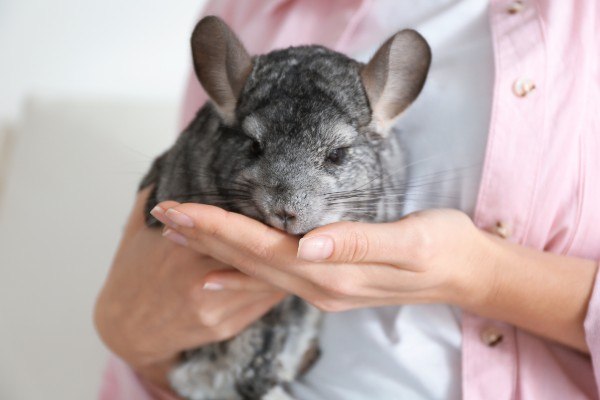
Appearance: Chinchillas have soft, dense fur,
usually gray in color, and they have large, round ears and eyes.
Lifespan: Chinchillas can live up to 15 years
or more with proper care and nutrition.
Housing: Provide a spacious cage with
multiple levels and platforms for climbing and exercise. Ensure good
ventilation and avoid direct sunlight or drafts.
Diet: Chinchillas require a high-fiber
diet consisting mainly of hay, supplemented with small amounts of pellets and
fresh vegetables.
Temperament: Chinchillas are generally social and
curious, but they may be timid and require gentle handling and patient
socialization.
Enrichment: Provide chinchillas with toys, safe
chew items, and a dust bath for grooming. They are highly active and need
opportunities for exercise.
Health: Regular veterinary check-ups are
important to ensure the well-being of your chinchilla. Common health issues
include dental problems and fur-related conditions.
Nocturnal
nature: Chinchillas
are crepuscular, meaning they are most active during dawn and dusk. Be prepared
for their increased activity during these times.
Socialization:
Chinchillas are
social animals and may benefit from having a same-sex companion, preferably
introduced at a young age.
Considerations: Owning a chinchilla requires
commitment, time, and effort to provide proper care, including a suitable
habitat, diet, and mental stimulation.
Remember,
this is a brief introduction. For more detailed information and specific care
instructions, consult reliable sources or seek advice from a veterinarian
experienced with exotic pets.
Appearance
Chinchillas have a distinctive appearance characterized by their soft, dense fur, which is usually gray in color. Their fur is incredibly soft and velvety due to its high density. Chinchillas have large, round ears and eyes, and their bodies are compact and cylindrical in shape. They typically have a bushy tail and short limbs with small paws that have sharp claws for climbing. Overall, chinchillas have an adorable and appealing appearance, which is one of the reasons they are popular as exotic pets.
History
Chinchillas
have a fascinating history. Here's a concise overview:
Native
Habitat: Chinchillas
are native to the Andes Mountains in South America, primarily found in Bolivia,
Peru, Chile, and Argentina. They inhabit rocky, high-altitude regions.
Hunting
and Decline:
Chinchillas were hunted extensively for their luxurious fur in the late 19th
and early 20th centuries. Their pelts were highly valued, leading to a rapid
decline in their population.
Protection
Efforts: Recognizing
the need for conservation, measures were taken to protect chinchillas. Hunting
restrictions and bans were implemented, and their habitat was designated as
protected areas.
Domestication: In the 1920s, chinchillas were first
successfully bred in captivity for their fur. This marked the beginning of
their domestication.
Fur
Farming: Chinchillas
became popular for fur farming due to their soft and valuable fur. They were
bred in large numbers for commercial purposes in various countries.
Pet
Trade: Chinchillas
gained popularity as exotic pets in the mid-20th century. Their friendly
nature, unique appearance, and low odor contributed to their appeal as
companion animals.
Conservation
Status: Chinchillas
are classified as endangered or critically endangered in the wild, primarily
due to habitat destruction and poaching. Conservation efforts focus on protecting
their natural habitats and promoting responsible captive breeding.
Today,
chinchillas are cherished as pets and continue to captivate people with their
beauty and charm. Their wild counterparts, however, face ongoing challenges in
their survival, underscoring the importance of conservation and responsible pet
ownership.
Behavior
Chinchillas
exhibit interesting behavior traits. Here's a concise overview:
Nocturnal
Activity:
Chinchillas are crepuscular, meaning they are most active during dawn and dusk.
They have a natural instinct to be more active during these times.
Social
Nature: Chinchillas
are generally social animals and can be kept in pairs or small groups. They
enjoy the company of their own kind and often engage in activities like
grooming and playing together.
Curiosity
and Exploration:
Chinchillas are naturally curious and love to explore their surroundings. They
enjoy investigating new objects, climbing, and hopping around their
environment.
Dust
Bathing: Chinchillas
have a unique grooming behavior called dust bathing. They roll and play in fine
dust, such as volcanic ash or specialized chinchilla dust, to keep their fur
clean and remove excess oil.
Chewing
Behavior:
Chinchillas have continuously growing teeth, so they have a strong need to
chew. Providing safe chew toys and objects is essential to maintain their
dental health and satisfy their natural chewing instincts.
Agility
and Climbing:
Chinchillas are agile jumpers and climbers. They have strong hind legs and can
leap to impressive heights. Providing them with platforms, ledges, and
opportunities to climb can help keep them physically active and mentally
stimulated.
Timidity
and Sensitivity:
Chinchillas can be initially shy and sensitive to sudden loud noises or fast
movements. They may take some time to build trust with their owners and become
comfortable in their environment. Gentle handling and gradual socialization are
important.
Scent
Marking: Chinchillas
mark their territory by rubbing their scent glands against objects or surfaces.
This behavior is a way for them to communicate with other chinchillas and
establish their presence.
Understanding
and respecting these behavioral traits is crucial for providing a suitable and
enriched environment for chinchillas as pets.
Health
Chinchillas
can be generally healthy if provided with proper care, but they are susceptible
to specific health issues. Here's a concise overview:
Dental
Problems: Chinchillas
have continuously growing teeth, and if their teeth become misaligned or
overgrown, it can lead to dental issues like malocclusion. Regular dental
check-ups and providing appropriate chew toys and a high-fiber diet are crucial
for maintaining dental health.
Fur-related
Conditions:
Chinchillas have dense fur that requires regular grooming. Without proper
grooming, their fur can become matted, leading to skin problems and the
formation of painful fur rings. Regular brushing and providing dust baths are
essential.
Heat
Stress: Chinchillas
are sensitive to high temperatures and can easily suffer from heat stroke. They
should be kept in a cool and well-ventilated environment, away from direct
sunlight and heat sources.
Digestive
Problems:
Chinchillas have a sensitive digestive system, and sudden changes in diet or
introduction of inappropriate foods can lead to gastrointestinal issues like
diarrhea or bloating. A diet rich in high-quality hay, supplemented with
pellets and limited fresh vegetables, is essential.
Respiratory
Infections:
Chinchillas can be prone to respiratory infections, especially in environments
with poor ventilation or high levels of dust. Keeping their habitat clean and
providing good air circulation is important for preventing respiratory problems.
Parasites: External parasites like mites or
fleas can affect chinchillas. Regular health checks and proper hygiene
practices can help prevent and treat parasitic infestations.
Stress-related
Issues: Chinchillas
are sensitive animals and can experience stress due to changes in their
environment, handling, or lack of socialization. Minimizing stressors and
providing a safe and enriched environment can help prevent stress-related
health issues.
It's
important to closely monitor your chinchilla's health, and if you notice any
signs of illness, consult a veterinarian experienced in treating exotic pets.
Regular veterinary check-ups are also recommended to ensure their overall
well-being.
Nutrition
Proper
nutrition is vital for the health and well-being of chinchillas. Here's a
concise overview of their dietary needs:
Hay: The foundation of a chinchilla's
diet should be high-quality grass hay, such as Timothy hay. Hay provides the
necessary fiber for healthy digestion and helps maintain dental health. It
should be available at all times.
Pellets: Chinchilla-specific pellets can be
offered in moderate amounts. Choose high-quality, plain pellets without added
seeds, nuts, or dried fruits. Pellets should be low in fat and contain a
balanced blend of nutrients. Follow the manufacturer's recommended serving
size.
Fresh
Vegetables: Fresh
vegetables can be given as occasional treats. Introduce them gradually and in
small quantities to avoid digestive upset. Suitable options include leafy
greens like kale, spinach, and parsley. Avoid high-water-content vegetables and
those high in oxalates, like lettuce and celery.
Limited
Fruits: Fruits
should be given sparingly due to their high sugar content. Offer small portions
of safe fruits such as apple slices, blueberries, or raspberries as occasional
treats.
Water: Fresh, clean water should be
available at all times. Use a water bottle with a sipper tube to ensure
cleanliness and prevent spillage.
Treats
and Supplements:
Commercial chinchilla treats should be offered sparingly as they are often high
in sugar and fat. Avoid sugary or fatty snacks meant for other animals. Vitamin
C supplements are not necessary if the chinchilla has a balanced diet.
It's crucial
to avoid feeding chinchillas foods that are toxic to them, such as chocolate,
caffeine, onions, garlic, and foods high in fats or sugars. Remember to
introduce new foods gradually, monitor your chinchilla's weight, and consult a
veterinarian if you have specific dietary concerns or questions.
Grooming
Grooming is
an essential aspect of chinchilla care. Here's a concise overview of chinchilla
grooming:
Fur Care: Chinchillas have dense fur that
requires regular grooming to prevent matting and maintain its health. Use a
soft-bristled brush or a grooming comb specifically designed for chinchillas to
gently brush their fur. Regular brushing helps remove loose fur and prevent fur
rings from forming.
Dust
Baths: Chinchillas
have specialized grooming needs and do not require water baths. Instead, they
take dust baths to keep their fur clean and remove excess oils. Provide a
shallow container or a dust bath house filled with specialized chinchilla dust,
which can be purchased from pet stores. Allow them to roll and play in the dust
for around 10-15 minutes, a few times a week.
Nail
Trimming:
Chinchillas' nails can become overgrown, which may cause discomfort and
potential injury. Regular nail trimming is necessary to maintain their nail
length. Use a small animal nail trimmer or nail clippers designed for
chinchillas, and be cautious not to cut into the quick (the blood vessel inside
the nail). If you're unsure, seek guidance from a veterinarian or an experienced
chinchilla owner.
Dental
Health: Chinchillas'
teeth continuously grow, so providing proper dental care is crucial. A diet
rich in high-quality hay helps wear down their teeth naturally. However, dental
problems can still occur. Regular veterinary check-ups and monitoring their
eating habits are important to catch any dental issues early.
Ear and
Eye Care:
Chinchillas generally keep their ears and eyes clean, but it's still important
to observe them for any signs of discharge, redness, or irritation. If you
notice any abnormalities, consult a veterinarian for proper evaluation and
treatment.
Remember to
approach grooming with gentleness and patience, allowing your chinchilla to
become comfortable with the process. Regular grooming not only helps keep your
chinchilla clean but also allows you to monitor their overall health and
well-being.
Treatment
When it
comes to treating a chinchilla, it is crucial to seek veterinary assistance
from a professional experienced in caring for exotic pets. Here's a concise
overview of treatment considerations:
Veterinary
Care: Regular
veterinary check-ups are essential for maintaining your chinchilla's health. If
your chinchilla displays any signs of illness, injury, or behavioral changes,
consult a veterinarian with experience in exotic animal care as soon as possible.
Medications: If prescribed by a veterinarian,
administer medications to your chinchilla as directed. Follow the dosage
instructions carefully and complete the full course of treatment, even if your
chinchilla appears to have recovered.
Handling
and Restraint:
Proper handling techniques are crucial when administering treatment or
providing care for an unwell chinchilla. Consult with your veterinarian for
guidance on how to handle and restrain your chinchilla safely and comfortably
during treatments.
Comfort
and Environment:
Create a calm and quiet environment for your chinchilla during their treatment
and recovery period. Provide a clean, well-ventilated, and comfortable
enclosure to facilitate their healing process.
Supportive
Care: Follow any
additional instructions provided by your veterinarian for supportive care. This
may include adjusting the chinchilla's diet, providing special accommodations
for their needs, or implementing environmental modifications to promote
healing.
Follow-Up
Visits: Attend any
scheduled follow-up visits or appointments with your veterinarian to monitor
your chinchilla's progress and make any necessary adjustments to their
treatment plan.
Remember,
specific treatments and care will vary depending on the condition or illness
affecting your chinchilla. Always rely on professional veterinary advice and
guidance for accurate diagnosis and appropriate treatment options for your
chinchilla's specific needs.
Conclusion
In
conclusion, chinchillas make fascinating and lovable exotic pets. They have a
distinctive appearance with their soft, dense fur and adorable features. Proper
care is essential to ensure their well-being.
Considerations
such as providing a spacious and enriched habitat, a high-fiber diet with hay
as a staple, and opportunities for exercise and mental stimulation are
important for chinchillas' health and happiness. Regular veterinary check-ups,
dental care, and grooming, including dust baths, are vital aspects of their
care.
Chinchillas
are social animals that can benefit from having a same-sex companion and gentle
handling to build trust and bond with their owners. While chinchillas can be
rewarding pets, their unique needs and susceptibility to certain health issues
should be taken into account.
Always consult reliable sources or seek advice from veterinarians experienced in exotic pet care for detailed information and specific guidance on providing the best care for your chinchilla. With proper care, chinchillas can live long and happy lives as cherished members of your family.
Chinchilla (Exotic Pet) Video Documentary
