
Capybara (Exotic Pet)
Introduction
The capybara
is an exotic pet that resembles a large guinea pig. Here are some key points to
know about capybara ownership:
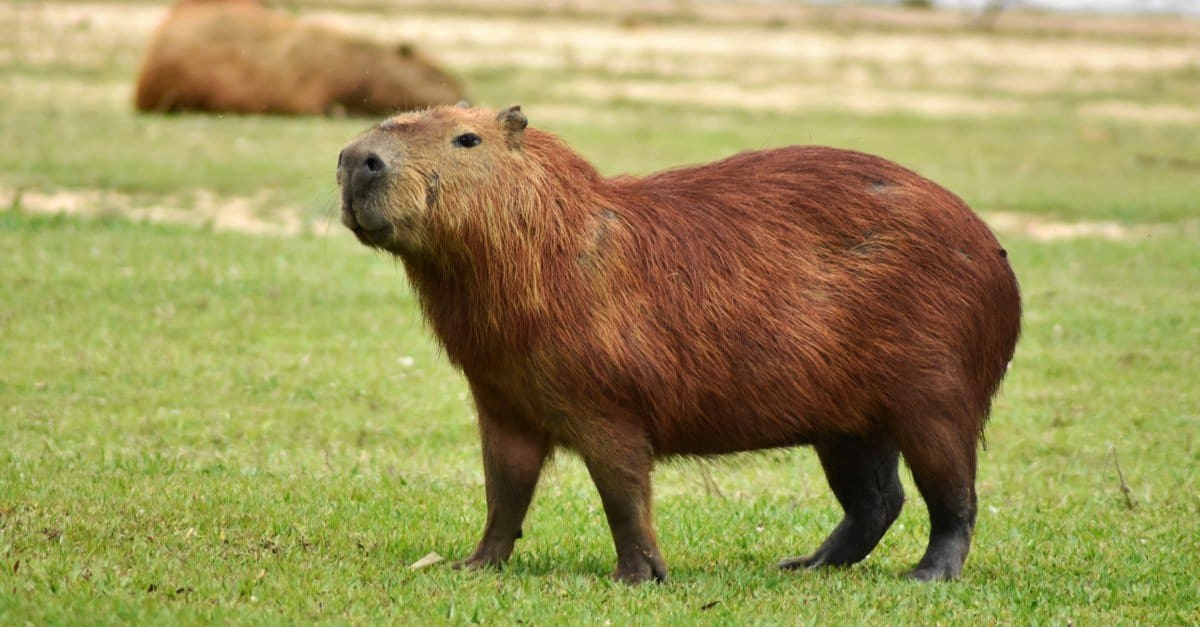
Size: Capybaras are the largest rodents in
the world, reaching weights of up to 100 pounds (45 kilograms) and lengths of
around 4 feet (1.2 meters).
Habitat: Capybaras are semi-aquatic animals
that require access to water for swimming and cooling off. They need a large
enclosure with a pool or pond and plenty of space to roam.
Diet: Capybaras are herbivores, primarily
feeding on grasses and vegetation. Their diet should consist of a variety of
fresh fruits, vegetables, and high-quality hay.
Social
Nature: Capybaras
are highly social animals and do best when kept in pairs or small groups. They
thrive on companionship and can suffer from loneliness if kept alone.
Care and
Maintenance:
Capybaras require regular veterinary care, including vaccinations and
check-ups. They need a secure enclosure, protection from extreme temperatures,
and enrichment activities to keep them mentally stimulated.
Legal
Considerations:
Before considering a capybara as a pet, check your local laws and regulations
regarding exotic pet ownership. Some jurisdictions may require permits or
prohibit owning capybaras altogether.
Responsibility: Capybara ownership requires a
significant commitment of time, resources, and specialized knowledge. Ensure
that you can provide the necessary care and attention before considering one as
a pet.
Lifespan: Capybaras can live up to 10-12 years
in the wild, but in captivity, they may live longer with proper care and a
suitable environment.
Remember,
capybaras are not suitable pets for everyone. Consider consulting with exotic
animal veterinarians or experienced capybara owners to gain more insights and
make an informed decision.
Appearance
Capybaras
have a unique appearance. Here are some key features:
Size: Capybaras are large rodents, with
adults typically weighing between 77 and 146 pounds (35 to 66 kilograms). They
can grow to be about 2 feet (60 centimeters) tall at the shoulder and 4 feet
(1.2 meters) in length.
Body
Shape: Capybaras
have a stout and barrel-shaped body, with short legs and a broad head. Their
bodies are covered in short, coarse fur.
Fur: Their fur is typically brown or
reddish-brown in color, with some individuals having lighter or darker variations.
The fur is dense and waterproof, which helps them stay warm and buoyant in
water.
Facial
Features: Capybaras
have a blunt snout with large nostrils and small ears. Their eyes are
positioned high on their head, allowing them to see well while partially submerged
in water.
Webbed
Feet: Capybaras have
partially webbed feet, which enable them to swim efficiently. Their front feet
have four toes, while their hind feet have three toes.
Overall,
capybaras have a somewhat comical and endearing appearance, often described as
a cross between a guinea pig and a pig. Their unique appearance contributes to
their charm and appeal as exotic pets.
History
The capybara
(Hydrochoerus hydrochaeris) is native to South America and has a long history
intertwined with human civilization in the region.
Indigenous
Cultures: Indigenous
peoples of South America, such as the Guaraní and Tupi tribes, have long
interacted with capybaras. They utilized their meat, fur, and bones for various
purposes.
European
Arrival: When
European explorers arrived in South America, capybaras caught their attention.
Spanish conquistadors in the 16th century described them in their accounts,
noting their abundance and large size.
Colonial
Period: During the
colonial era, capybaras were hunted for their meat, which provided a source of
food for European colonizers and enslaved Africans. They were also exploited
for their fur, which was used in the fur trade.
Domestication
Attempts: Over the
centuries, there have been some attempts to domesticate capybaras. In certain
regions, they have been bred in captivity for their meat and fur.
Modern
Conservation: Today,
capybaras are protected under various conservation laws in their native range.
Efforts are made to preserve their natural habitats and ensure their long-term
survival.
Pet
Popularity:
Capybaras have gained popularity as exotic pets in some parts of the world,
although regulations and restrictions on their ownership vary. They require
specific care and are not suitable for everyone.
Throughout
history, capybaras have played various roles, from being a source of sustenance
for indigenous peoples and early settlers to becoming a cherished and
charismatic species in wildlife conservation and sometimes as unique pets.
Behavior
Capybaras
exhibit several interesting behaviors. Here are some key aspects of their
behavior:
Social
Nature: Capybaras
are highly social animals and live in groups called "herds" or
"capybara communities." These communities typically consist of a
dominant male, several females, and their offspring. Social bonding is crucial
for their well-being.
Communication: Capybaras communicate through a
variety of vocalizations, including purring, whistling, barking, and chirping.
They also use scent marking and body language to communicate with each other.
Aquatic
Adaptation:
Capybaras are excellent swimmers and spend a significant amount of time in the
water. They have webbed feet and can hold their breath for several minutes,
which helps them evade predators and regulate body temperature.
Herbivorous
Diet: Capybaras are
herbivores, primarily feeding on grasses and aquatic plants. They have
specialized digestive systems that allow them to efficiently extract nutrients
from plant material.
Grooming
Behavior: Capybaras
engage in allo-grooming, which involves individuals grooming each other's fur.
This behavior helps them maintain social bonds, remove parasites, and regulate
body temperature.
Vigilance: Capybaras are vigilant animals,
constantly scanning their surroundings for potential threats. They rely on a
combination of their acute hearing, sharp eyesight, and their ability to stay
partially submerged in water for safety.
Coprophagy: Capybaras engage in a unique
behavior known as coprophagy, which involves eating their own feces. This
behavior aids in the digestion of plant material and allows them to extract
additional nutrients.
Crepuscular
Activity: Capybaras
are primarily active during the early morning and late afternoon, which is
known as crepuscular behavior. They may rest or sleep during the hottest parts
of the day.
Understanding
the behavior of capybaras is crucial for providing them with appropriate care
and ensuring their well-being, whether in their natural habitat or as pets.
Health
Maintaining
the health of capybaras requires proper care and attention. Here are some key
points related to their health:
Veterinary
Care: Regular
veterinary check-ups are essential to monitor the overall health of capybaras.
Find a veterinarian experienced in exotic animals who can provide necessary
vaccinations, perform health examinations, and address any health concerns.
Diet: A balanced and appropriate diet is
crucial for capybara health. Provide them with a variety of fresh fruits,
vegetables, and high-quality hay. Consult a veterinarian or an exotic animal
nutritionist to ensure their nutritional needs are met.
Dental Care: Capybaras have constantly growing
teeth, and proper dental care is important. Provide them with plenty of
chewable items like wooden blocks or branches to help wear down their teeth
naturally and prevent dental issues.
Parasite
Prevention: Capybaras
can be susceptible to external and internal parasites. Follow your
veterinarian's guidance on preventive measures, such as regular parasite
screenings and treatments.
Environmental
Considerations:
Ensure that the capybara's enclosure or habitat provides a suitable
environment. It should have access to clean water for swimming, a secure and
spacious area to roam, and protection from extreme temperatures.
Mental
Stimulation:
Capybaras are intelligent animals that require mental stimulation. Provide them
with enrichment activities like puzzles, toys, and opportunities for social
interaction to prevent boredom and promote overall well-being.
Hygiene
and Cleanliness:
Regularly clean and maintain the capybara's living space to prevent the buildup
of waste, bacteria, and other potential sources of infection. Ensure clean
water is readily available for drinking and swimming.
Observation
and Prompt Action: Observe
your capybara closely for any signs of illness, injury, changes in behavior, or
abnormality. If you notice anything concerning, contact a veterinarian promptly
for advice and appropriate treatment.
Remember,
providing proper care and promptly addressing any health concerns is crucial
for maintaining the well-being of capybaras and ensuring they lead a healthy and
happy life.
Nutrition
Proper
nutrition is vital for the health and well-being of capybaras. Here are some
key points to consider regarding their diet:
Herbivorous
Diet: Capybaras are
herbivores, meaning their diet consists entirely of plant material. They
require a high-fiber diet to support their digestive system.
Hay: High-quality grass hay, such as
timothy hay or orchard grass, should form the basis of a capybara's diet. It
provides essential fiber and helps maintain proper dental health by promoting
natural chewing.
Fresh
Vegetables and Fruits: Offer a variety of fresh vegetables and fruits to provide additional
nutrients and variety in their diet. Suitable options include leafy greens like
kale, lettuce, and spinach, as well as carrots, cucumbers, and bell peppers.
Avoid feeding excessive amounts of fruits due to their high sugar content.
Avoid
Toxic Foods: Some
plants are toxic to capybaras and should be avoided. Examples include avocado,
onion, garlic, and chocolate. Consult with a veterinarian or an exotic animal
nutritionist to ensure you are offering safe and appropriate foods.
Limited
Treats: Treats can
be given occasionally but should not make up a significant portion of the
capybara's diet. Stick to small, healthy treats like pieces of fresh fruits or
vegetables.
Water: Capybaras require access to clean
and fresh water at all times. They are semi-aquatic animals and enjoy swimming
and soaking in water, so provide a shallow pool or pond in their enclosure.
Nutritional
Supplements: In most
cases, capybaras can obtain all necessary nutrients from a well-balanced diet.
However, if there are concerns about specific nutrient deficiencies, consult a
veterinarian for appropriate supplements.
Balanced
Feeding: Ensure that
the capybara's diet is well-balanced and provides a variety of food items. This
helps prevent nutritional deficiencies and promotes overall health.
Remember to
introduce new foods gradually and observe the capybara's response to ensure
they tolerate and enjoy the offered diet. It is always recommended to consult
with a veterinarian or an exotic animal nutritionist to develop a suitable and
balanced diet plan for your capybara.
Grooming
Grooming is
an important aspect of capybara care that helps maintain their hygiene and
overall well-being. Here are some key points about capybara grooming:
Allo-grooming: Capybaras engage in a behavior
called allo-grooming, where they groom each other's fur. This behavior helps
strengthen social bonds within the group and promotes cleanliness.
Cleaning
and Preening:
Capybaras use their teeth and paws to groom themselves. They nibble and chew on
their fur to remove dirt, debris, and parasites. They may also use their front
paws to wipe their faces and clean their eyes and ears.
Social
Interaction:
Allo-grooming is not only a means of cleaning but also a social activity for
capybaras. It reinforces social bonds and helps establish hierarchy within the
group.
Scent
Marking: Capybaras
have scent glands on their nose and anus. They may rub these areas on objects
or other capybaras to mark territory and communicate with scent.
Parasite
Prevention: Regular
grooming helps capybaras remove external parasites, such as fleas or ticks,
from their fur. However, it is important to also use preventive measures, such
as regular parasite checks and treatments recommended by a veterinarian.
Dental
Care: Grooming
behavior, including chewing and nibbling on their fur, can also help capybaras
naturally wear down their continuously growing teeth. This aids in maintaining
proper dental health.
Assistance
in Captivity: In
captivity, where capybaras may not have access to other individuals for
allo-grooming, owners can help by gently brushing their fur using a soft brush
or grooming glove. This can help remove loose hair and prevent matting.
Observation:
Regularly observe your capybara for any signs of skin issues, parasites, or
abnormal fur condition. If you notice anything concerning, consult with a
veterinarian for appropriate care and treatment.
Grooming
plays a crucial role in capybara health and social bonding. By providing
opportunities for social interaction and maintaining their fur cleanliness, you
can contribute to the overall well-being of your capybara.
Treatment
When it
comes to the treatment of capybaras, it is essential to prioritize their health
and well-being. Here are some key points to consider regarding capybara
treatment:
Veterinary
Care: If you notice
any signs of illness or injury in your capybara, seek veterinary care promptly.
Choose a veterinarian experienced in exotic animals or specifically capybaras
to ensure proper diagnosis and treatment.
Follow
Veterinary Recommendations: Follow the guidance and treatment plan provided by your veterinarian.
This may include medication administration, wound care, or dietary changes.
Adhere to the prescribed dosage and treatment duration.
Environmental
Adjustments: Make
necessary adjustments to the capybara's environment to support their healing
and recovery. This may involve providing a quiet and comfortable space,
ensuring appropriate temperature and humidity levels, and making modifications
to their enclosure if needed.
Nutritional
Support: Consult
with your veterinarian about any dietary adjustments required to support the
capybara's treatment and recovery. They may recommend specific foods or
supplements to aid in healing.
Wound
Care: If your
capybara has a wound or injury, follow your veterinarian's instructions for
wound care. Keep the area clean and, if necessary, use any recommended topical
treatments or dressings to promote healing and prevent infection.
Physical
Restraint: In some
cases, capybaras may require physical restraint for veterinary examinations or
procedures. Work closely with your veterinarian to ensure proper handling
techniques are used to minimize stress and ensure the safety of both the
capybara and the caregivers.
Emotional
Support: Capybaras
may experience stress or anxiety during illness or treatment. Provide them with
a calm and comforting environment, offer reassurance through gentle
interaction, and ensure they have access to their companions if they are social
animals.
Follow-up
Care: Follow your
veterinarian's instructions for follow-up visits or check-ups to monitor the
progress of the capybara's treatment and ensure that they are recovering as
expected.
Remember,
every capybara is unique, and treatment approaches may vary depending on the
specific condition or illness. Always consult with a qualified veterinarian for
proper diagnosis and guidance tailored to your capybara's individual needs.
Conclusion
In
conclusion, capybaras are fascinating and unique animals that require special
care and attention. Before considering a capybara as a pet, ensure that you can
provide the necessary resources, knowledge, and commitment to meet their
specific needs.
Understand
the importance of providing a suitable habitat, proper nutrition, veterinary
care, social interaction, and mental stimulation to ensure the well-being of
capybaras. Be aware of local laws and regulations regarding exotic pet
ownership.
Remember to consult with experienced capybara owners or exotic animal veterinarians to gain insights and guidance specific to capybara care. By being well-informed and responsible, you can provide a fulfilling and enriched life for your capybara companion
Capybara (Exotic Pet) Video Documentary
