
Wallaby (Exotic Pet)
Introduction
The wallaby
is an exotic pet that belongs to the same family as kangaroos. They are small
to medium-sized marsupials native to Australia and surrounding islands. Here
are a few key points about wallabies as exotic pets:
Species and
Size: The most common pet wallaby species include the Bennett's wallaby and the
red-necked wallaby. They typically grow to be around 2-3 feet tall and can
weigh up to 30-50 pounds.
Enclosure
and Space: Wallabies require a spacious enclosure to roam and exercise. A
securely fenced yard or a large outdoor pen with grass and shaded areas is
ideal. They can also be kept indoors but need plenty of space to hop around.
Diet: A
wallaby's diet consists mainly of grasses, leaves, and shrubs. You can
supplement their diet with commercial wallaby pellets, fresh fruits, and
vegetables. It's important to ensure a balanced diet and consult a veterinarian
for specific dietary recommendations.
Socialization
and Interaction: Wallabies are social animals and require regular interaction
and mental stimulation. They can be trained to some extent, but keep in mind
that they have natural instincts and behaviors that need to be respected.
Legal
Considerations: Before considering a wallaby as a pet, check your local laws
and regulations regarding exotic pet ownership. Some places may have
restrictions or require permits to keep wallabies.
Veterinary
Care: It's crucial to find a veterinarian experienced in treating exotic
animals, as their medical needs can differ from traditional pets. Regular
check-ups and vaccinations are important to maintain their health.
Lifespan:
Wallabies can live up to 15 years or longer with proper care, diet, and
environment.
Remember
that wallabies are exotic animals with unique needs and may not be suitable for
everyone. It's essential to research and understand their requirements
thoroughly before considering them as pets.
Appearance
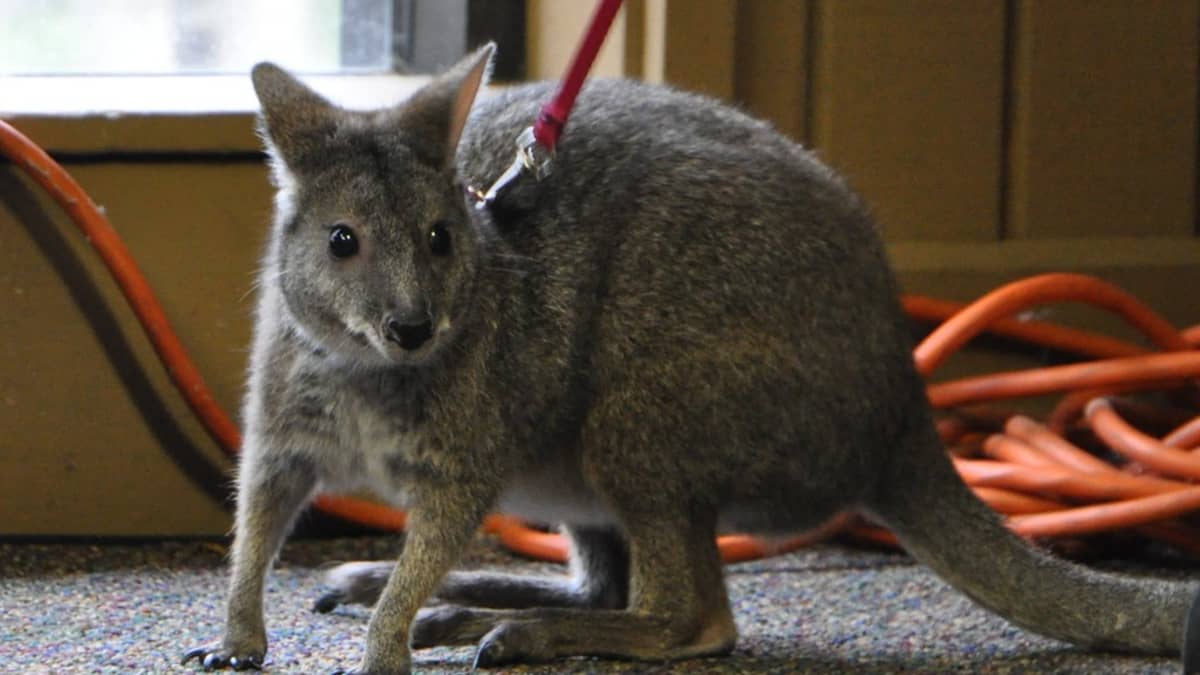
Wallabies
have a similar appearance to kangaroos, but they are smaller in size. Here are
some key features of their appearance:
Size:
Wallabies are generally smaller than kangaroos, with adults ranging from about
2 to 3 feet in height.
Body Shape:
They have a compact and muscular body with a relatively large head in
proportion to their body size.
Fur:
Wallabies have soft fur that can vary in color depending on the species. Common
colors include shades of gray, brown, and reddish-brown. Some species may have
distinctive markings or patterns on their fur.
Tail: They
have a long and strong tail, which helps them with balance while hopping.
Hind Legs:
Wallabies, like kangaroos, have powerful hind legs that are specialized for
hopping. Their hind legs are larger and stronger than their forelimbs.
Feet: Their
feet have strong claws that aid in movement and enable them to grip the ground
while hopping.
Ears:
Wallabies have large, rounded ears that are highly sensitive to detect sounds
and potential threats.
Overall,
wallabies have a cute and unique appearance, with their small size, soft fur,
and characteristic hopping movement distinguishing them as charming and
fascinating exotic pets.
History
The history
of wallabies traces back to their native land, Australia. Here are some key
points about their history:
Indigenous
to Australia: Wallabies are native marsupials found in Australia, as well as in
New Guinea and nearby islands. They have a long-standing presence in these
regions, adapting to various habitats such as forests, grasslands, and rocky
areas.
Aboriginal
Cultural Significance: Wallabies have been a part of the Aboriginal culture for
thousands of years. They hold spiritual and cultural significance for many
Aboriginal communities, appearing in their stories, art, and traditions.
Exploration
and European Discovery: European explorers and settlers encountered wallabies
during their expeditions to Australia in the 17th and 18th centuries. These
explorers documented and described the diverse wildlife they encountered,
including wallabies.
Introduction
to Other Countries: Wallabies were introduced to other countries and regions
around the world, including the United States, Europe, and parts of Asia. Some
of these introductions were deliberate for zoological collections, while others
occurred accidentally or as part of failed attempts at establishing
populations.
Wallabies as
Exotic Pets: Over time, wallabies have gained popularity as exotic pets in
certain parts of the world. Their small size, adorable appearance, and unique
behaviors attract some individuals who seek non-traditional pets.
Conservation
and Protection: The conservation of wallabies and their habitats has become
increasingly important due to habitat loss, climate change, and threats from
predators. Efforts are being made to protect these species and ensure their
long-term survival.
Wallabies
have a rich history intertwined with the culture and natural environment of
Australia. Their unique characteristics and charm have led to their
introduction and popularity in various parts of the world as both wild and
domesticated animals.
Behavior
Wallabies
exhibit several interesting behaviors that are characteristic of their species.
Here are some key behavioral traits of wallabies:
Hopping:
Wallabies are known for their unique hopping locomotion. They use their
powerful hind legs to bound and cover great distances with speed and agility.
Hopping allows them to navigate their environment efficiently.
Social
Behavior: Wallabies are generally social animals, forming small groups called
mobs. Mobs can consist of a few individuals up to dozens, depending on the
species and habitat. Within a mob, they establish a hierarchical structure,
with dominant individuals having priority access to resources.
Nocturnal or
Crepuscular Activity: Many wallaby species are primarily active during the
evening and night (nocturnal) or during dawn and dusk (crepuscular). They rest
and seek shelter during the hotter parts of the day.
Grazing and
Foraging: Wallabies are herbivores and primarily graze on grasses, leaves, and
shrubs. They use their strong jaws and teeth to crop vegetation close to the
ground. Some species are selective feeders, while others are more opportunistic
in their diet.
Nesting and
Shelter: Wallabies seek shelter in various forms, including dense vegetation,
rocky areas, and burrows. They may create simple nests, called forms, in which
they rest or shelter their young.
Vocalizations:
Wallabies communicate using a range of vocalizations, including hissing,
coughing, and grunting sounds. These vocalizations serve as warnings, mating
calls, or signals within social groups.
Grooming:
Wallabies engage in grooming behaviors to maintain their fur and keep it free
from parasites. They use their hind legs and tail to groom hard-to-reach areas
of their bodies.
Reproduction
and Parenting: Wallabies are marsupials, meaning females have a pouch where
they carry and nurse their young. After a relatively short gestation period,
the underdeveloped joey crawls into the pouch to continue its growth and
development.
It's
important to note that individual behaviors and temperaments can vary among
different wallaby species and even within individuals. Understanding their
natural behaviors is crucial to providing appropriate care and enrichment for
wallabies as pets or in conservation settings.
Health
Ensuring the
health and well-being of wallabies requires proper care, nutrition, and
attention to their specific needs. Here are some important considerations for
maintaining the health of wallabies:
Veterinary
Care: It is essential to find a veterinarian with experience in treating exotic
animals, including wallabies. Regular check-ups, vaccinations, and preventive
care are important to monitor their overall health and catch any potential
issues early.
Balanced
Diet: Providing a well-balanced diet is crucial for wallabies. Their diet
should consist mainly of grasses, leaves, and shrubs, similar to their natural
food sources. Commercial wallaby pellets, fresh fruits, and vegetables can
supplement their diet. Consult with a veterinarian or exotic animal nutritionist
to ensure their dietary needs are met.
Hydration:
Wallabies should have access to fresh water at all times. Ensure that water
containers are clean, easily accessible, and suitable for their size.
Exercise and
Enrichment: Wallabies are active animals and require regular exercise and
mental stimulation. Provide a spacious enclosure or a secure outdoor area where
they can hop, graze, and explore. Enrich their environment with natural
materials, hiding spots, and toys to encourage natural behaviors.
Parasite
Prevention: Like many animals, wallabies can be susceptible to external and
internal parasites. Regularly check for signs of parasites, such as itching,
fur loss, or changes in behavior. Consult with a veterinarian for appropriate
parasite prevention and treatment options.
Environmental
Conditions: Wallabies are adapted to specific climates, so it's important to
provide an appropriate environment. Temperature, humidity, and ventilation
should be suitable for their species. Avoid extreme temperatures and provide
shade or shelter during hot weather.
Stress
Management: Minimize stressors in their environment, such as loud noises,
excessive handling, or sudden changes. Stress can compromise their immune
system and overall well-being.
Monitoring
Behavior and Health: Pay close attention to changes in behavior, appetite, or
appearance, as these can be indications of underlying health issues. Promptly
seek veterinary attention if any concerns arise.
Remember,
providing proper care and addressing any health concerns promptly is crucial
for the overall health and longevity of wallabies. Regular veterinary visits
and a proactive approach to their well-being are key to ensuring a happy and
healthy life for these exotic pets.
Nutrition
Proper
nutrition is crucial for the health and well-being of wallabies. Here are some
key considerations for their diet:
Grasses and
Forage: The primary component of a wallaby's diet should consist of grasses and
forage. They are grazers by nature, so provide access to fresh, high-quality
grass or hay. Varieties such as Timothy, Bermuda, or native grasses can be
suitable options.
Leafy Greens
and Vegetables: Supplement their diet with a variety of leafy greens and
vegetables. Offer options like kale, spinach, romaine lettuce, broccoli, and
carrots. These provide additional nutrients and dietary variety.
Commercial
Wallaby Pellets: Commercially available wallaby pellets can be included in
their diet to ensure balanced nutrition. These pellets are formulated specifically
for wallabies and can help meet their nutritional requirements. Follow the
manufacturer's instructions for feeding amounts.
Fruits and
Treats: Fruits can be offered as occasional treats and sources of natural
sugars. Apples, bananas, and berries are generally well-received by wallabies.
Limit the amount of fruits given due to their sugar content.
Calcium and
Vitamin D: Calcium is essential for the development and maintenance of strong
bones. Ensure that wallabies receive sufficient calcium by providing access to
calcium-rich foods such as leafy greens, alfalfa hay, or calcium supplements
recommended by a veterinarian. Vitamin D is important for calcium absorption,
and natural sunlight or UVB lighting can help with vitamin D synthesis.
Fresh Water:
Wallabies should have access to clean, fresh water at all times. Provide water
in bowls or bottles that are easily accessible and regularly cleaned.
Avoid
Harmful Foods: Certain foods can be toxic or harmful to wallabies. Avoid
feeding them foods such as chocolate, caffeine, onions, garlic, and highly
processed or sugary human foods.
Feeding
Routine: Establish a regular feeding routine for wallabies. Feed them multiple
small meals throughout the day to mimic their natural grazing behavior.
It's
important to consult with a veterinarian or an exotic animal nutritionist to
create a specific diet plan tailored to the species of wallaby you have. They
can provide guidance on appropriate portions, nutritional supplements, and any
species-specific dietary needs.
Grooming
Grooming
plays an important role in maintaining the health and well-being of wallabies.
While wallabies are generally clean animals, they can benefit from some
grooming assistance. Here are some grooming considerations for wallabies:
Brushing:
Wallabies have soft fur that can benefit from regular brushing, especially
during shedding seasons. Use a soft-bristled brush or grooming mitt to remove
loose hair and keep their coat clean and healthy. Brushing also helps to
stimulate blood circulation and distribute natural oils.
Nail
Trimming: Wallabies' nails can grow long and require periodic trimming.
Overgrown nails can be uncomfortable for the wallaby and may cause issues with
mobility or scratching. Consult with a veterinarian or an experienced
professional to learn how to properly trim wallaby nails.
Dental Care:
Dental health is important for wallabies. Chewing on fibrous foods, such as
grasses and hay, helps to naturally wear down their teeth. However, regular
dental check-ups by a veterinarian are still recommended to identify and
address any dental issues.
Ear
Cleaning: Wallabies generally keep their ears clean, but it's a good practice
to check their ears regularly for any signs of dirt, discharge, or infections.
Use a soft, damp cloth to gently clean the outer area of the ears if needed.
Avoid inserting anything into the ear canal.
Skin and
Parasite Checks: Regularly inspect your wallaby's skin for any signs of
irritations, wounds, or parasites such as ticks or fleas. If you notice any issues,
consult with a veterinarian for appropriate treatment.
Bathing:
Wallabies generally do not require frequent bathing unless they get
exceptionally dirty or have a specific skin condition. If bathing is necessary,
use lukewarm water and mild, pet-safe shampoo specifically formulated for
marsupials. Rinse thoroughly and ensure they are kept warm and dry afterward.
Remember to
approach grooming with gentleness and patience, as wallabies may be sensitive
to handling. If you have any concerns about grooming or notice any unusual
changes in your wallaby's skin or coat, it's recommended to consult with a
veterinarian who specializes in exotic animal care for further guidance and
assistance.
Treatment
When it
comes to the treatment of wallabies, it is important to prioritize their health
and well-being. Here are some key points to consider:
Veterinary
Care: If you notice any signs of illness, injury, or abnormal behavior in your
wallaby, it is crucial to seek veterinary care from a professional experienced
in treating exotic animals. They can provide an accurate diagnosis and
recommend appropriate treatment options.
Follow
Veterinary Advice: Follow the veterinarian's instructions and treatment plan
diligently. This may involve administering medications, providing specific care
instructions, or adjusting the wallaby's diet or environment to support
recovery.
Rest and
Recovery: Allow the wallaby to rest and provide a quiet, comfortable, and
stress-free environment during their recovery period. Minimize handling and
provide a secure space where they can feel safe.
Medications
and Treatments: Administer any prescribed medications or treatments as directed
by the veterinarian. Follow dosage instructions carefully and complete the full
course of treatment, even if the wallaby appears to have recovered before the
treatment is complete.
Wound Care:
If your wallaby has any wounds or injuries, follow the veterinarian's guidance
on wound care. Keep the affected area clean, apply any recommended topical
treatments, and monitor for signs of infection or worsening conditions.
Rehabilitation
and Physical Therapy: In some cases, wallabies may require rehabilitation or
physical therapy following an injury or illness. Work closely with a
veterinarian or a specialist to implement appropriate exercises or therapies to
aid in their recovery and mobility.
Environmental
Considerations: Ensure the wallaby's environment is suitable for their
recovery. Make any necessary modifications, such as providing soft bedding,
adjusting temperature and humidity, or creating easy access to food and water.
Ongoing
Monitoring: After treatment, continue to monitor the wallaby's behavior,
appetite, and overall well-being. Report any changes or concerns to the
veterinarian promptly.
Remember,
the treatment of wallabies should always be carried out under the guidance of a
qualified veterinarian. They can provide the expertise and support needed to
ensure the best possible outcome for your wallaby's health and recovery.
Conclusion
In
conclusion, wallabies are fascinating and unique animals that require proper
care and attention to thrive as pets. Understanding their appearance, history,
behavior, health, nutrition, grooming, and treatment needs is crucial for
providing them with a suitable environment and ensuring their well-being. If
you are considering having a wallaby as a pet, it is important to research and
consult with professionals experienced in their care. By meeting their specific
requirements and providing a safe and stimulating environment, you can enjoy
the companionship of these charming and captivating exotic pets.
