
Chinchillas Rodents Pet
Introduction
Chinchillas
are adorable and fascinating small mammals native to the Andes Mountains in
South America. They have gained popularity as pets due to their soft fur,
lively nature, and unique physical characteristics. This comprehensive guide
will provide you with a detailed understanding of chinchillas, covering their
appearance, history, behavior, health, nutrition, grooming, treatment, habitat,
feeding, breeding, and a concluding overview.
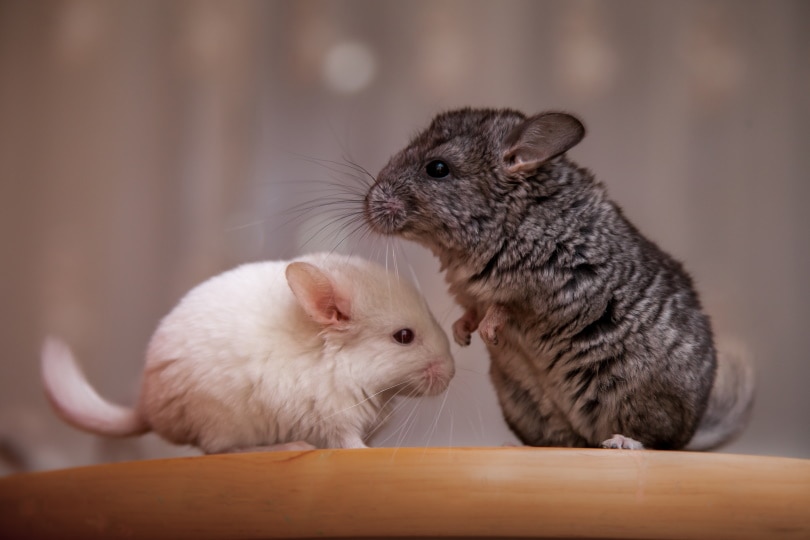
Appearance
Chinchillas
are small rodents with a compact and rounded body shape. They have large, round
ears and strikingly large, black eyes. Chinchillas are known for their
incredibly dense fur, which is soft and luxurious. They come in various colors,
including gray, beige, black, white, and mosaic patterns.
History
Chinchillas
have a rich history dating back thousands of years. Indigenous people of the
Andes Mountains in South America revered these creatures for their fur, using
it for clothing and blankets. Due to excessive hunting, chinchillas faced
severe population decline, and by the early 20th century, they were on the
brink of extinction. To protect the species, legislation was introduced to ban
hunting and exportation. Today, most chinchillas found as pets are descendants
of those rescued during the early conservation efforts.
Behavior
Chinchillas
are known for their energetic and playful behavior. They are crepuscular,
meaning they are most active during dawn and dusk. These rodents are highly
social and thrive in the company of their own kind. Chinchillas possess
excellent jumping and climbing abilities, often displaying acrobatic antics in
their environment. They are curious by nature and enjoy exploring their
surroundings.
Health
Chinchillas
are generally hardy animals but are susceptible to certain health conditions.
Dental issues, such as overgrown teeth, malocclusion, and dental abscesses, are
common. Chinchillas may also suffer from gastrointestinal problems, respiratory
infections, and fur or skin problems. Regular veterinary check-ups and a
well-maintained habitat are essential for their overall health and well-being.
Nutrition
Chinchillas
are herbivores with specific dietary requirements. Their diet should consist
primarily of high-quality grass hay, such as Timothy hay, which aids in
digestion and helps wear down their continuously growing teeth. Pelleted
chinchilla food, specifically formulated for their nutritional needs, should be
provided in limited quantities. Fresh water should be available at all times.
Avoid feeding them foods high in sugar, fat, or moisture, as these can cause
digestive problems.
Grooming
Chinchillas
are exceptionally clean animals that practice dust bathing to keep their fur
healthy. Provide a dust bath using chinchilla-specific dust, as they have
sensitive skin. This allows them to remove excess oils and maintain a clean
coat. Chinchillas also groom themselves regularly, but occasionally brushing
their fur with a soft-bristled brush can help remove loose hairs.
Treatment
Handling
chinchillas requires gentle care and patience. They have delicate bones, and
excessive force or dropping can result in injury. When picking up a chinchilla,
support its body with both hands, ensuring it feels secure. It is important to
create a safe and secure environment for your chinchilla, providing appropriate
housing, temperature control, and mental stimulation.
Habitat
Chinchillas
require a spacious and secure enclosure that mimics their natural habitat. A
multi-level cage with solid flooring and plenty of hiding spots is recommended.
Chinchillas are sensitive to high temperatures and should be kept in a cool
environment, ideally between 60-70°F (15-21°C). Avoid placing their cage in
direct sunlight or near drafts.
Feeding
Chinchillas
have specific feeding requirements. Provide fresh Timothy hay and limited
amounts of high-quality chinchilla pellets daily. Offer occasional treats like
dried fruits or small amounts of fresh vegetables, ensuring they are safe and
suitable for chinchillas. Avoid sudden changes in their diet, as this can lead
to digestive issues.
Breeding
Breeding
chinchillas requires expertise and careful consideration. It is important to
ensure that the breeding pair is healthy, of appropriate age, and comes from
good genetic stock. Consult with an experienced breeder or veterinarian for
guidance on breeding practices and responsible pet ownership.
Conclusion
Chinchillas
are captivating pets that offer joy and companionship to their owners. Their
soft fur, playful nature, and unique physical characteristics make them a
delightful addition to any household. By providing proper care, nutrition, and
a stimulating environment, you can enjoy a rewarding and fulfilling
relationship with these charming creatures. Remember to prioritize their health
and well-being by regularly consulting with a veterinarian knowledgeable about
chinchillas.
Chinchillas Rodents Pet Video
