
Dwarf Hamsters as Pets
Introduction
Dwarf
hamsters are popular small pets known for their adorable appearance, compact
size, and entertaining behavior. This article provides a detailed overview of
dwarf hamsters, covering their introduction, appearance, history, behavior,
health, nutrition, grooming, treatment, habitat, feeding, breeding, and
concludes with essential information for prospective and current dwarf hamster
owners.
Appearance
Dwarf
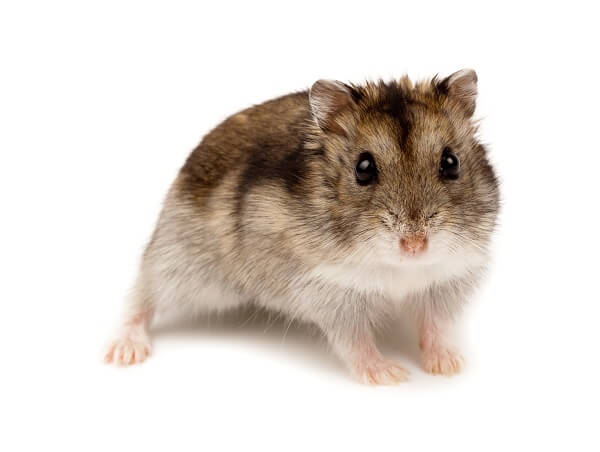
hamsters belong to the genus Phodopus and are native to various regions of
Asia. There are three main species commonly kept as pets: Roborovski,
Campbell's, and Winter White dwarf hamsters. They are significantly smaller
than Syrian hamsters, typically measuring 2 to 4 inches in length. These furry
creatures have a short tail, round bodies, and large, expressive eyes. They
come in a range of colors, including white, gray, brown, and various
combinations.
History
Dwarf
hamsters were discovered in the early 20th century, with the Roborovski dwarf
hamster originating from the deserts of Mongolia and China. Campbell's and
Winter White dwarf hamsters were found in different regions of Russia and Asia.
They gained popularity as pets in the 1970s and have since become beloved
companions worldwide.
Behavior
Dwarf
hamsters are energetic and curious creatures. They are primarily nocturnal,
meaning they are most active during the evening and night. Due to their small
size, they are prone to being skittish and quick. While they can be tamed with
patience and gentle handling, they may nip if frightened or mishandled. Dwarf
hamsters are solitary animals and prefer to live alone, except during breeding.
Health
To ensure
the well-being of your dwarf hamster, regular veterinary check-ups are
essential. Common health issues in dwarf hamsters include respiratory infections,
dental problems, diarrhea, and wet tail—a potentially fatal condition caused by
stress or bacterial infections. Providing a clean and stress-free environment,
a balanced diet, and plenty of exercise helps maintain their overall health.
Nutrition
A proper
diet is crucial for the health of dwarf hamsters. A commercially available
hamster mix supplemented with fresh fruits, vegetables, and occasional treats
is recommended. Fresh water should always be available in a sipper bottle.
Avoid feeding them citrus fruits, onions, garlic, chocolate, or any food with
high sugar content, as these can be harmful to their health.
Grooming
Dwarf
hamsters are clean animals that groom themselves regularly. However, they may
occasionally require assistance in keeping their fur clean. Providing a dust
bath using special chinchilla sand or dust can help remove excess oils and keep
their coat healthy. Regularly inspect their nails and teeth, trimming them if
necessary.
Treatment and Handling
When
handling a dwarf hamster, it's important to be gentle and calm. Avoid sudden
movements or loud noises that may startle them. Never pick them up by their
tails, as this can cause injury. Instead, cup your hands around their body and
lift them with care. If your hamster shows signs of illness or injury, consult
a veterinarian with experience in treating small animals.
Habitat
Dwarf
hamsters require a suitable habitat that mimics their natural environment. A
wire cage or an aquarium with a secure lid is recommended, as they are
excellent climbers and can easily escape. Provide bedding material such as
aspen shavings or paper-based bedding. Include tunnels, hideouts, exercise
wheels, and chew toys to keep them mentally stimulated.
Feeding
Dwarf
hamsters should be fed once a day, preferably in the evening. Provide a small
handful of hamster mix and supplement it with fresh fruits and vegetables.
Remove any uneaten food after a few hours to prevent spoilage and hygiene
issues. Avoid overfeeding, as obesity can lead to health problems.
Breeding
Breeding
dwarf hamsters should only be done by experienced and responsible owners.
Before considering breeding, ensure you have enough knowledge and resources to
care for the offspring. Dwarf hamsters have a short gestation period (around
18-21 days) and can produce multiple litters throughout the year. Separate the
male and female hamsters once mating has occurred to prevent aggression.
Conclusion
Dwarf hamsters make delightful pets for those willing to provide them with proper care, attention, and love. Their small size, charming appearance, and engaging behavior bring joy to many households. By understanding their needs, maintaining their health, and providing a suitable environment, you can create a fulfilling and enriching life for your dwarf hamster companion. Remember to approach their care with patience, respect, and a commitment to their well-being.
Dwarf Hamsters as Pets Video
