
Fennec Fox (Exotic Pet)
Introduction
The Fennec
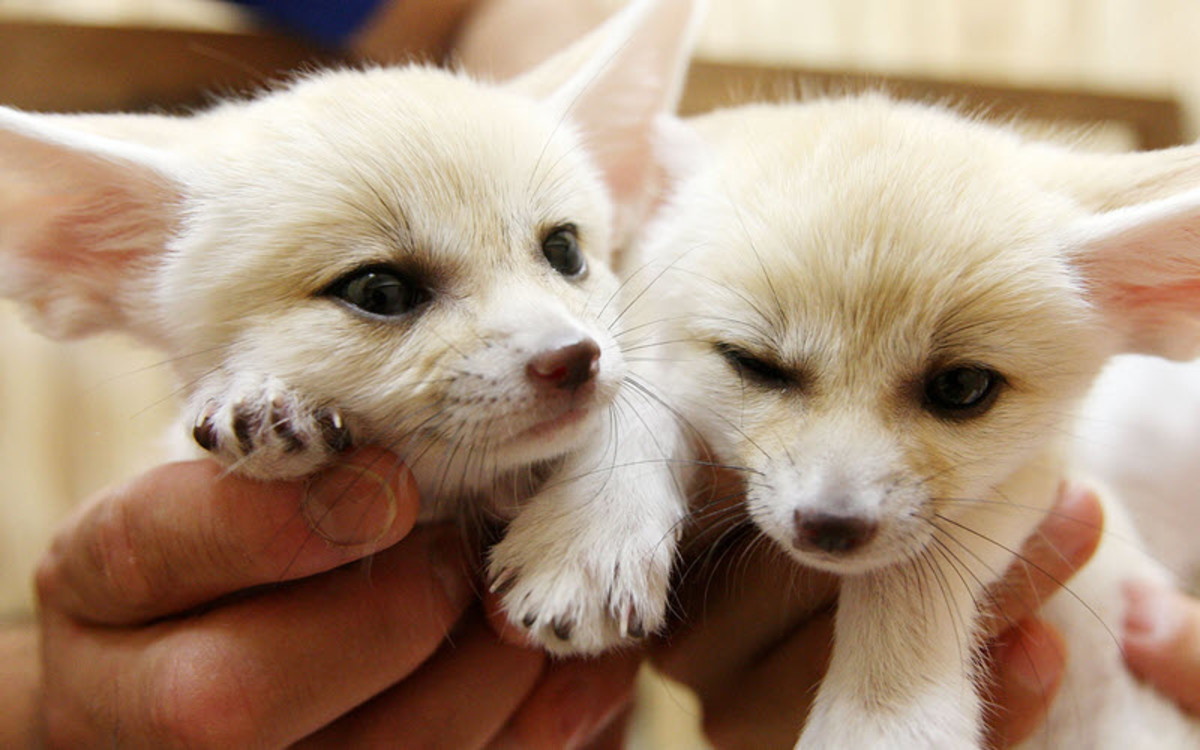
fox is a small, exotic mammal native to the deserts of North Africa. It is
known for its distinctive large ears, which help regulate body temperature, and
its adorable appearance. Fennec foxes have adapted to life in the desert and
are well-suited for hot and dry environments.
As exotic
pets, Fennec foxes require specialized care and a deep understanding of their
unique needs. They are highly social animals and require plenty of mental and
physical stimulation. They have specific dietary requirements, needing a
balanced diet that includes a mix of high-quality commercial fox food and
appropriate fresh fruits and vegetables.
Fennec foxes
are active and energetic, so they need ample space to exercise and explore.
They also require a secure enclosure to prevent escapes, as they are skilled
diggers and climbers. It's important to check local laws and regulations before
considering a Fennec fox as a pet, as they may be restricted or prohibited in
some areas.
Overall,
Fennec foxes can make fascinating pets for experienced owners who can provide
them with the necessary care, attention, and appropriate environment. It is
essential to do thorough research and consult with experts or veterinarians
familiar with exotic animals before deciding to bring one into your home.
Appearance
The Fennec
fox has several distinct physical features that make it unique and adorable. It
is the smallest species of fox, with a petite size and a weight ranging between
1.5 to 3.5 pounds (0.7 to 1.6 kilograms). Here are some notable
characteristics:
Large
Ears: The Fennec fox
is known for its disproportionately large ears, which can measure up to 6
inches (15 centimeters) in length. These ears serve multiple purposes,
including heat dissipation and excellent hearing for locating prey in the
desert environment.
Fur: Their fur is thick and soft, which
helps them regulate body temperature in extreme desert conditions. The fur
color varies from pale cream to light sandy beige, enabling them to blend
seamlessly with their desert surroundings.
Eyes: Fennec foxes have large, expressive
eyes that are typically amber or light brown in color. Their eyesight is well
adapted to low-light conditions.
Tail: They have a long, bushy tail with a
black tip. The tail helps with balance and serves as insulation during cold
desert nights.
Paws: Fennec foxes have large, padded paws
with fur on the soles, which protects them from the hot sand and aids in
walking on loose surfaces.
Overall, the
Fennec fox's appearance is captivating, with its adorable face, oversized ears,
and small stature, making it a visually striking and charming exotic animal.
History
The Fennec
fox (Vulpes zerda) has a history intertwined with the desert regions of North
Africa. Here are some key points about its history:
Native to
North Africa: The
Fennec fox is indigenous to the Sahara Desert and other arid regions of North
Africa, including Algeria, Egypt, Morocco, and Tunisia. It is well adapted to
survive in these harsh desert environments.
Cultural
Significance: Fennec
foxes have been part of the cultural heritage of indigenous peoples in North
Africa for centuries. They have been depicted in ancient artwork and folklore,
and their image is often associated with desert landscapes.
Evolution
and Adaptation:
Fennec foxes have evolved unique physical characteristics that enable them to
thrive in desert conditions. Their large ears help dissipate heat, and their
fur provides insulation from extreme temperatures.
Wildlife
Conservation: The
Fennec fox is listed as a species of least concern on the IUCN Red List,
indicating that its population is currently stable. However, habitat loss due
to human activities and illegal pet trade remain potential threats to their
long-term survival.
Exotic
Pet Popularity:
Fennec foxes have gained popularity as exotic pets in various parts of the
world. Their unique appearance and small size have attracted enthusiasts
willing to provide specialized care and suitable environments for them.
It's worth
noting that while some Fennec foxes are kept as pets, they are still primarily
wild animals and require specific conditions and expertise to be kept in
captivity. It's important to ensure that any captive Fennec foxes are obtained
legally and from reputable sources to support their conservation and welfare.
Behavior
The Fennec
fox exhibits several interesting behaviors that are characteristic of its
species. Here are some key behaviors of Fennec foxes:
Nocturnal
Activity: Fennec
foxes are primarily nocturnal, which means they are most active during the
night. This behavior helps them avoid the extreme heat of the desert during the
day.
Social
Structure: Fennec
foxes are social animals that typically live in small family groups or pairs.
They engage in cooperative behaviors such as grooming and sharing
responsibilities in caring for offspring.
Vocalizations: Fennec foxes communicate using a
variety of vocalizations, including barks, yips, purrs, and howls. These sounds
serve as a means of communication between individuals and can express different
emotions or intentions.
Digging: Fennec foxes are skilled diggers and
use their front paws to excavate burrows in the sand. These burrows serve as
shelter from extreme temperatures and predators, as well as provide a safe
space for raising their young.
Scent
Marking: Fennec
foxes use scent marking as a way of communication and territory delineation.
They have scent glands on their cheeks and use urine and feces to mark their
territories.
Agility
and Hunting: Fennec
foxes are agile and swift, allowing them to navigate the desert terrain with
ease. They are opportunistic hunters, feeding on a variety of prey including
insects, small rodents, birds, and plant matter.
Playful
Behavior: Fennec
foxes exhibit playful behavior, engaging in activities such as chasing,
pouncing, and wrestling. Play serves multiple purposes, including social
bonding, honing hunting skills, and mental stimulation.
It's
important to note that while some of these behaviors may be observed in pet
Fennec foxes, individual personalities and experiences can influence their
behavior. As with any exotic pet, it's crucial to provide appropriate
socialization, mental stimulation, and a suitable environment that allows them
to express their natural behaviors.
Health
Fennec
foxes, like any other animals, require proper healthcare to maintain their
well-being. Here are some important considerations regarding the health of
Fennec foxes:
Veterinary
Care: Regular
veterinary check-ups are essential to monitor the overall health of Fennec
foxes. Find a veterinarian experienced in treating exotic animals or
specifically knowledgeable about foxes to ensure appropriate care.
Vaccinations:
Fennec foxes may
require vaccinations against common diseases, depending on their geographical
location and local regulations. Consult with a veterinarian to determine the
necessary vaccinations and follow the recommended schedule.
Parasite
Prevention: Fennec
foxes can be susceptible to internal and external parasites such as fleas,
ticks, and worms. Use appropriate parasite prevention measures recommended by a
veterinarian to protect your fox.
Diet and
Nutrition: Providing
a balanced and appropriate diet is crucial for the health of Fennec foxes.
Their diet should consist of high-quality commercial fox food supplemented with
fresh fruits, vegetables, and occasional protein sources. Consult with a
veterinarian or exotic animal nutritionist for specific dietary
recommendations.
Dental
Care: Dental health
is important for Fennec foxes. Provide appropriate chew toys and monitor their
dental condition regularly. Regular tooth brushing or dental cleaning by a
veterinarian may be necessary to prevent dental issues.
Environmental
Conditions: Fennec
foxes are adapted to arid desert climates, so it's important to maintain
suitable environmental conditions. Provide a well-ventilated enclosure with
appropriate temperature regulation, humidity control, and access to shade.
Exercise
and Mental Stimulation: Fennec foxes are active animals and require regular exercise and mental
stimulation. Provide opportunities for play, exploration, and activities that
mimic their natural behaviors.
Monitoring
Behavior and Health:
Regularly observe your Fennec fox for any changes in behavior, appetite, or
appearance. Being aware of potential signs of illness or distress allows for
early detection and prompt veterinary care if needed.
Remember,
owning a Fennec fox as a pet requires commitment, specialized knowledge, and
access to proper veterinary care. Stay informed about their specific needs and
seek guidance from professionals experienced in caring for exotic animals to
ensure the health and well-being of your Fennec fox.
Nutrition
Providing a
proper and balanced diet is crucial for the health and well-being of Fennec
foxes. Here are some important considerations regarding their nutrition:
Commercial
Fox Food:
High-quality commercial fox food formulated specifically for exotic carnivores
can serve as the foundation of their diet. Look for brands that offer a
balanced blend of nutrients suitable for Fennec foxes.
Protein
Sources: Fennec
foxes are carnivores and require a source of animal protein in their diet.
Offer lean meats such as chicken, turkey, and rabbit. Avoid processed or
seasoned meats, as they can be harmful to the fox.
Fruits
and Vegetables: Fresh
fruits and vegetables should be provided as part of a varied diet. Offer a mix
of safe options such as carrots, apples, bananas, berries, and leafy greens.
These can be offered in small quantities as treats or mixed with the commercial
food.
Limited
Treats: Treats
should be given sparingly and should not make up a significant portion of their
diet. Avoid sugary or fatty treats and stick to small, healthy options like
small pieces of fruit or freeze-dried meat.
Water: Access to fresh, clean water should
be available at all times. Provide water in a secure container that cannot be
easily tipped over.
Nutritional
Supplements: In most
cases, a well-balanced diet consisting of commercial food, meat, and
fruits/vegetables should provide the necessary nutrients. However, consult with
a veterinarian knowledgeable in exotic animal nutrition to determine if any
specific supplements are needed for your Fennec fox.
Avoid
Harmful Foods: Some
foods can be toxic or harmful to Fennec foxes. These include chocolate,
caffeine, alcohol, onions, garlic, grapes, raisins, and foods with high salt
content. Avoid feeding these to your fox.
It's
important to remember that the dietary needs of Fennec foxes may vary depending
on factors such as age, activity level, and overall health. Consult with a
veterinarian experienced in exotic animal care to develop a suitable diet plan
for your Fennec fox and ensure their nutritional needs are met.
Grooming
Fennec foxes
have relatively low grooming needs compared to some other animals, but there
are still a few important aspects to consider for their grooming:
Coat
Maintenance: Fennec
foxes have a dense, soft coat that requires regular brushing to remove loose
fur and prevent matting. Use a soft-bristled brush or a grooming mitt to gently
brush their fur. This not only helps maintain their coat but also provides an
opportunity for bonding and interaction.
Bathing: Fennec foxes generally do not
require frequent baths unless they get exceptionally dirty. In most cases,
their natural grooming behavior takes care of keeping their fur clean. If a
bath becomes necessary, use a mild, specifically formulated shampoo for small
animals. Ensure the water is lukewarm, and thoroughly dry them afterward to
prevent chilling.
Nail
Trimming: Regular
nail trims are necessary to keep the Fennec fox's nails at a suitable length.
Use a small, animal-specific nail clipper and be cautious not to cut into the
quick (the sensitive part of the nail). If you are unsure or uncomfortable with
nail trimming, consult a veterinarian or an experienced professional for
assistance.
Dental
Care: Dental health
is important for Fennec foxes. Providing appropriate chew toys or dental treats
can help promote dental hygiene by reducing tartar buildup and keeping their
teeth clean. Regular veterinary dental check-ups may also be beneficial.
Ear
Cleaning: Fennec
foxes have large, sensitive ears that can accumulate dirt or debris. Check
their ears regularly and gently clean the outer part of the ear using a soft,
damp cloth or specialized ear cleaner recommended by a veterinarian. Avoid
inserting anything into the ear canal, as it can cause injury.
Regular
Check-ups: Routine
veterinary check-ups are crucial for assessing overall health and identifying
any grooming or health issues. A veterinarian experienced in treating exotic
animals can provide guidance on specific grooming needs and help address any
concerns.
Remember,
each Fennec fox may have unique grooming requirements, and it's important to
observe and understand their individual needs. Monitoring their coat condition,
ears, nails, and overall appearance regularly will help ensure they are clean,
comfortable, and healthy.
Treatment
If you
suspect that your Fennec fox is unwell or injured, it is important to seek
veterinary care as soon as possible. Treating a Fennec fox should always be
done under the guidance of a qualified veterinarian experienced in exotic
animal care. Here are some general guidelines for the treatment of Fennec
foxes:
Find an
Exotic Animal Veterinarian: Locate a veterinarian who specializes in exotic animals or has
experience with treating Fennec foxes. Exotic veterinarians have the knowledge
and resources to provide appropriate care for these unique animals.
Prompt
Veterinary Care: If
you notice any signs of illness, injury, changes in behavior, appetite, or
other abnormalities, contact your veterinarian immediately. Fennec foxes can
hide signs of illness, so it's essential to seek professional attention promptly.
Follow
Veterinary Recommendations: Upon examination, the veterinarian will diagnose the condition and
recommend the appropriate treatment. Follow their instructions closely,
including medication administration, wound care, or any other necessary interventions.
Medications: If prescribed medication, administer
it according to the veterinarian's instructions. It's important to ensure the
correct dosage and complete the full course of treatment even if the fox
appears to be improving.
Rehabilitation
and Recovery: If the
Fennec fox requires recovery or rehabilitation, follow the veterinarian's
advice regarding rest, restricted activity, or any special care needs. Provide
a calm and comfortable environment to aid in the healing process.
Preventive
Care: Along with
treatment, discuss preventive care measures with your veterinarian. This may
include vaccinations, parasite prevention, dental care, and routine check-ups
to maintain the overall health of your Fennec fox.
Remember,
self-diagnosis and self-treatment are not advisable for Fennec foxes or any
other animals. Timely professional veterinary care is essential to ensure
proper diagnosis and appropriate treatment for your Fennec fox's specific
condition or injury.
Conclusion
In
conclusion, Fennec foxes are captivating and unique exotic animals that require
specialized care and attention. Before considering a Fennec fox as a pet, it is
crucial to thoroughly research their needs and understand the responsibilities
involved. Here are some key points to remember:
Natural
Adaptations: Fennec
foxes are adapted to desert environments and have distinct features like large
ears and a thick coat to help them survive in arid conditions.
Social
Nature: Fennec foxes
are social animals that thrive on social interaction. They require mental and
physical stimulation and should not be kept in isolation.
Proper
Nutrition: Providing
a balanced diet is essential for their health. Commercial fox food, lean meats,
fresh fruits, and vegetables should be included in their diet.
Specialized
Veterinary Care:
Regular veterinary check-ups with a veterinarian experienced in exotic animal
care are important to monitor their health and well-being.
Grooming
and Maintenance:
Regular grooming, including brushing their fur, nail trims, dental care, and
ear cleaning, helps keep Fennec foxes healthy and comfortable.
Responsible
Ownership: Fennec
foxes require a suitable and secure enclosure, ample space for exercise, and a
commitment to meeting their specific needs throughout their lifespan.
Remember,
Fennec foxes are wild animals at heart and may exhibit natural behaviors that
can be challenging to manage in a domestic setting. Always ensure that owning a
Fennec fox is legal in your area and that you can provide them with the
appropriate care, environment, and attention they need. Consulting with experts
and veterinarians knowledgeable about Fennec foxes is crucial to their
well-being and your success as a responsible owner.
