
Sugar Glider (Exotic Pet)
Introduction
Sugar
gliders are small, nocturnal marsupials native to Australia, Indonesia, and New
Guinea. They are social animals and have a unique ability to glide through the
air using a flap of skin called a patagium. Sugar gliders are popular as pets
due to their cute appearance and playful nature. They require specialized care,
including a balanced diet, a spacious cage with plenty of enrichment, and
regular social interaction. Before considering a sugar glider as a pet, it's
important to research their needs thoroughly and ensure you can provide them
with a suitable environment and care.
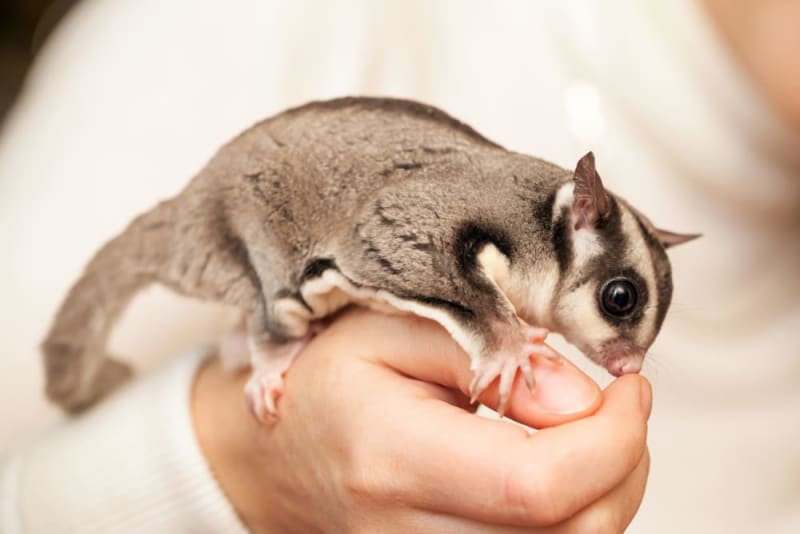
Appearance
Sugar
gliders have a distinctive appearance characterized by their small size and
large, round eyes. They have a compact body with soft, thick fur that is
typically gray or silver in color. Along their sides, they often display a
black stripe that extends from their head to the base of their tail. Sugar
gliders have a flap of skin, called a patagium, stretching between their wrists
and ankles, allowing them to glide through the air. When fully extended, their
patagium forms a parachute-like structure. On average, sugar gliders measure
about 5 to 6 inches (13-15 cm) in length, with their tail adding an additional
6 to 7 inches (15-18 cm). They weigh between 3.5 to 5.3 ounces (100-150 grams).
History
Sugar
gliders have a long history, originating in Australia, Indonesia, and New
Guinea. They are believed to have existed for millions of years. In the wild,
they live in forests and woodlands, where they glide between trees and feed on
nectar, sap, fruit, insects, and other small invertebrates. Indigenous people in
these regions have known about and interacted with sugar gliders for centuries.
The first
documented encounter with sugar gliders by Europeans occurred in 1697 when
Dutch explorer Willem de Vlamingh came across them during an expedition to the
west coast of Australia. However, they remained relatively unknown outside of
the region until the late 19th century.
In the 1960s
and 1970s, sugar gliders were introduced into the exotic pet trade and gained
popularity as pets due to their adorable appearance and unique gliding ability.
Today, they are widely kept as pets in various parts of the world, including
North America, Europe, and Asia. They are also the subject of ongoing research
and conservation efforts to better understand and protect their natural
habitats.
Behavior
Sugar
gliders are highly social and bond strongly with their fellow gliders. They are
nocturnal animals, meaning they are most active during the night. They
communicate with each other through a variety of vocalizations, including
chirping, barking, and hissing, as well as through scent marking.
Gliding is
one of their most remarkable behaviors. Sugar gliders can glide for long
distances, utilizing their patagium to glide from tree to tree in search of
food, mates, or safe resting spots. They have an excellent sense of direction and
can navigate accurately while gliding.
In
captivity, sugar gliders need daily social interaction with their human
caregivers or other gliders to maintain their mental and emotional well-being.
They are playful and curious creatures that enjoy climbing, exploring, and
playing with toys. Providing them with plenty of environmental enrichment, such
as branches, hammocks, and exercise wheels, is important to keep them mentally
stimulated and physically active.
Sugar
gliders are omnivorous, with a diet consisting of a variety of foods, including
fruits, vegetables, nectar, pollen, insects, and small amounts of protein. They
have specialized teeth and a unique digestive system that allows them to
process the sap and gum from trees. Offering a balanced and appropriate diet is
crucial to ensure their nutritional needs are met.
It's worth
noting that sugar gliders have complex care requirements and are a long-term
commitment. They require a large and secure cage, a specialized diet, regular
veterinary check-ups, and ample time and attention from their owners. Proper
research and education about their care needs are essential before considering
them as pets.
Health
Sugar
gliders, like any other pet, can experience various health issues. Here are
some important points regarding their health:
Diet: Providing a well-balanced diet is
crucial for their overall health. A proper diet for sugar gliders typically
includes a combination of fruits, vegetables, protein sources (such as insects
or commercial glider pellets), and a small amount of nectar or pollen. Avoid
feeding them foods that are toxic to them, such as chocolate, caffeine, onions,
and garlic.
Dental
health: Sugar
gliders have unique teeth that continuously grow throughout their lives. It's
important to provide appropriate chewing opportunities, such as branches or
specially designed toys, to help wear down their teeth and prevent dental
issues.
Veterinary
care: Regular
veterinary check-ups are essential to monitor the health of your sugar glider.
Find a veterinarian with experience in exotic pets, specifically sugar gliders,
as they have specialized needs. Routine check-ups can help identify and address
any potential health concerns early on.
Parasites: Sugar gliders can be susceptible to
parasites such as mites or internal parasites. Regular monitoring and
preventive treatments, as recommended by a veterinarian, can help prevent or
treat parasite infestations.
Stress-related
conditions: Sugar
gliders are social animals and can experience stress if they lack social
interaction or proper environmental stimulation. Loneliness and boredom can
lead to behavioral issues and negatively impact their health. Providing a stimulating
environment, social interaction, and companionship (ideally with another sugar
glider) is important for their well-being.
Obesity: Overfeeding or providing an
imbalanced diet can lead to obesity in sugar gliders. Obesity can contribute to
various health problems, including diabetes and joint issues. It's crucial to
monitor their food intake and provide a diet that meets their nutritional needs
without excessive calorie intake.
If you
notice any changes in your sugar glider's behavior, appetite, appearance, or
overall well-being, consult a veterinarian familiar with sugar glider care for
appropriate guidance and treatment.
Nutrition
Proper
nutrition is essential for the health and well-being of sugar gliders. Here are
some important points to consider regarding their diet:
Variety: Sugar gliders require a diverse diet
that includes a mix of fresh fruits, vegetables, protein sources, and
supplemental foods. This helps ensure they receive a balanced intake of
nutrients.
Fruits
and vegetables:
Offer a range of fresh, ripe fruits and vegetables. Examples include apples,
pears, papayas, grapes, sweet potatoes, carrots, leafy greens, and broccoli.
Avoid feeding them foods that are toxic to them, such as avocado, citrus
fruits, and onions.
Protein
sources: Sugar
gliders are omnivorous and need a source of protein. Provide them with insects
(such as crickets, mealworms, or roaches) or commercial glider pellets designed
specifically for their dietary needs. High-quality, low-fat sources of protein
are preferable.
Calcium
and phosphorus balance: Maintaining the proper balance of calcium and phosphorus is crucial for
sugar gliders. Calcium is important for bone health, while phosphorus should be
balanced with calcium to prevent imbalances. Consult a veterinarian or
specialized resources for guidance on achieving the appropriate ratio.
Limited
treats: Treats
should be given sparingly and in small amounts. Too many sugary or fatty treats
can contribute to obesity and other health issues. Safe treats include small
amounts of yogurt, mealworms, or specially formulated sugar glider treats.
Fresh
water: Ensure your
sugar gliders have access to fresh, clean water at all times. Use a water
bottle with a sipper tube designed for small animals.
It's
important to note that the specific dietary needs of sugar gliders may vary, so
it's recommended to consult with a veterinarian familiar with sugar glider care
or a specialized exotic animal nutritionist to create a suitable diet plan for
your pet. Regularly monitor your sugar glider's weight and overall health to
ensure their nutritional needs are being met.
Grooming
Sugar
gliders have certain grooming needs to maintain their health and well-being.
Here are some key points about grooming sugar gliders:
Self-grooming: Sugar gliders are diligent
self-groomers. They use their teeth and tongues to clean their fur, removing
dirt, debris, and excess oils. They may spend significant time grooming
themselves throughout the day.
Bathing: Sugar gliders generally do not
require regular baths, as they are naturally clean animals. Their fur has
special properties that help repel dirt and maintain cleanliness. Bathing can
actually remove the natural oils from their fur, leading to dryness and skin
issues. However, if your sugar glider gets into something sticky or dirty, a
gentle, lukewarm water bath may be necessary. Ensure you use a pet-safe shampoo
specifically formulated for sugar gliders and rinse thoroughly to remove any
soap residue.
Nail
trimming: Regular
nail trimming is important to prevent overgrowth and potential injuries. Sugar
gliders have sharp claws that can cause scratches or snag on objects. Use a
small animal nail trimmer or seek assistance from a veterinarian experienced
with sugar gliders to safely trim their nails.
Scent
glands: Sugar
gliders have scent glands located on their forehead and chest. These glands
secrete oils that they use for marking their territory and communicating with
other gliders. It's normal for these glands to produce some scent, but if there
is an excessive odor or discharge, it could indicate a health issue, and a
veterinarian should be consulted.
Dental
care: Good dental
hygiene is essential for sugar gliders. Their teeth continuously grow, and
providing appropriate chewing opportunities, such as branches or toys, helps
wear down their teeth naturally. Regular dental check-ups by a veterinarian can
help identify and address any dental issues.
Observing
your sugar glider's grooming habits and overall appearance is important to
detect any potential health issues or changes in their grooming routine. If you
notice anything unusual, such as excessive scratching, hair loss, or changes in
fur texture, consult a veterinarian familiar with sugar gliders for further
evaluation and guidance.
Treatment
When it
comes to the treatment of sugar gliders, it's important to prioritize their
health and well-being. Here are some general guidelines:
Veterinary
care: If your sugar
glider shows signs of illness, injury, or behavioral changes, it's crucial to
seek veterinary care from a professional experienced in exotic animals,
particularly sugar gliders. They can provide a proper diagnosis and recommend
appropriate treatment options.
Medications: In some cases, your veterinarian may
prescribe medications or treatments to address specific health issues. It's
important to follow the prescribed dosage and administration instructions
carefully. Never administer human medications or over-the-counter drugs without
veterinary guidance.
Wound
care: If your sugar
glider has a minor wound or injury, keep the area clean and monitor it closely
for signs of infection. If the wound is severe or showing signs of infection,
seek veterinary attention for proper treatment.
Environmental
adjustments:
Depending on the condition or illness, your veterinarian may suggest
adjustments to the sugar glider's environment, such as temperature control or
changes in cage setup, to support their recovery and comfort.
Nutritional
support: In cases of
illness or weakened immune system, your veterinarian may recommend specific
dietary adjustments or supplements to support your sugar glider's health and
recovery. Follow their guidance closely to ensure proper nutrition.
Comfort
and stress reduction:
Provide a calm and stress-free environment for your sugar glider during the
treatment period. Minimize loud noises, handle them gently, and ensure they
have a quiet place to rest and recover.
Remember,
each treatment plan should be tailored to the individual sugar glider's needs
and condition. Always consult with a veterinarian who is knowledgeable about
sugar gliders for proper diagnosis, treatment, and ongoing care. Regular
follow-up visits and open communication with the veterinarian are essential for
monitoring progress and making any necessary adjustments to the treatment plan.
Conclusion
Sugar
gliders are fascinating and unique pets that require special care and
attention. Understanding their behavior, appearance, health needs, nutrition,
grooming, and treatment options is crucial for providing them with a happy and
healthy life. Before considering a sugar glider as a pet, thorough research and
preparation are essential to ensure you can meet their specific requirements
and provide them with a suitable environment. Consult with a veterinarian
experienced in sugar glider care for guidance and support throughout their
life. By being knowledgeable and proactive in their care, you can enjoy a
rewarding and fulfilling relationship with your sugar glider companion.
