
Bavarian Mountain Hound
Introduction
The Bavarian
Mountain Hound, also known as the Bayerischer Gebirgssch weisshund, is a
versatile hunting dog breed originating from Germany. This medium-sized breed
is renowned for its exceptional tracking skills, endurance, and loyalty. In
this article, we will delve into the appearance, history, behavior, health,
nutrition, grooming, habitat, breeding, and conclude with an overview of this
remarkable canine companion.
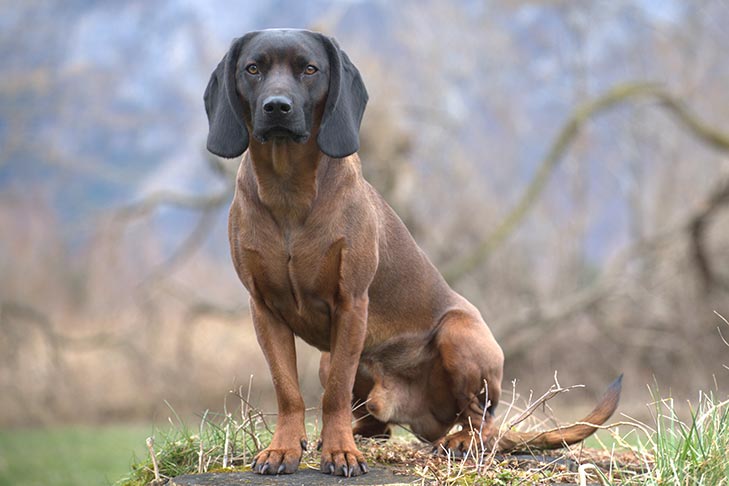
Appearance
The Bavarian
Mountain Hound is a well-proportioned dog with a muscular build. It has a
slightly elongated body and a deep chest, which allows for increased lung
capacity during long hunts. The breed features a strong, square-shaped head,
expressive brown eyes, and long, drooping ears. The dense, short coat is
typically tricolor, with a black saddle, tan markings on the head and legs, and
white patches on the chest and paws.
History
The Bavarian
Mountain Hound's lineage dates back to the late 19th century, where it was
selectively bred by crossing the Hannover Hound with local scent hounds. This
breeding program aimed to develop a versatile hunting dog capable of tracking
wounded game in the rugged Bavarian mountains. The breed's tracking abilities
and endurance made it highly popular among hunters in the region.
Behavior
Bavarian
Mountain Hounds are renowned for their calm and friendly demeanor. They are
known to be excellent family pets, displaying loyalty, affection, and a gentle
nature towards their owners. As hunting dogs, they possess an excellent sense
of smell and exceptional tracking skills. They are highly focused and
determined when on the trail, making them invaluable companions for hunters.
Health
Overall, the
Bavarian Mountain Hound is a relatively healthy breed. However, like any dog,
they can be prone to certain health issues. These may include hip dysplasia,
ear infections (due to their droopy ears), and bloat. Regular vet check-ups, a
balanced diet, and regular exercise are essential for maintaining their overall
well-being.
Nutrition
Providing a
high-quality, balanced diet is crucial for the health of Bavarian Mountain
Hounds. A diet rich in lean proteins, healthy fats, and high-quality
carbohydrates is recommended. Feeding portions should be adjusted based on the
dog's age, weight, activity level, and overall health. It is always best to
consult with a veterinarian to determine the specific dietary needs of your
dog.
Grooming
The Bavarian
Mountain Hound has a short, dense coat that requires minimal grooming. Regular
brushing once or twice a week will help remove loose hair and maintain a
healthy coat. As with all breeds, regular dental care, nail trimming, and ear
cleaning are important aspects of grooming to ensure their overall well-being.
Treatment and Training
Bavarian
Mountain Hounds respond well to positive reinforcement training methods. They
are intelligent and eager to please, making them highly trainable. Consistency,
patience, and early socialization are key to ensuring they grow into
well-rounded, obedient dogs. It's important to establish clear boundaries and
provide mental and physical stimulation to prevent boredom and destructive
behavior.
Habitat
While
Bavarian Mountain Hounds adapt well to various living situations, they thrive
best in environments that provide ample exercise opportunities. Ideally, they
should have access to a secure, fenced yard where they can explore and fulfill
their natural instincts. However, they can also adapt to apartment living as
long as their exercise needs are met.
Feeding and Exercise
Bavarian
Mountain Hounds require a balanced diet and regular exercise to maintain
optimal health. They have high energy levels and enjoy activities such as long
walks, jogging, and hiking. Engaging them in mentally stimulating exercises,
such as puzzle toys and scent work, can help satisfy their hunting instincts.
Aim for at least 60-90 minutes of exercise per day to keep them happy and
well-adjusted.
Breeding
Breeding
Bavarian Mountain Hounds should only be undertaken by responsible and
knowledgeable breeders. It is essential to select breeding pairs with sound
health, proper temperament, and conforming to breed standards. Potential
breeders should also be aware of any genetic health issues within the breed and
strive to produce healthy offspring.
Conclusion
The Bavarian
Mountain Hound is a versatile hunting dog that excels in tracking wounded game.
With their calm and affectionate nature, they make excellent family pets as
well. These dogs require regular exercise, mental stimulation, and a balanced
diet to thrive. Responsible ownership, proper training, and socialization are
key to ensuring they become well-rounded companions. If you are an active
individual or a passionate hunter, the Bavarian Mountain Hound might be the
perfect four-legged partner to accompany you on your adventures.
Bavarian Mountain Hound Vidoe
