
The Bea Tzu Dog Breed
Introduction
The Bea Tzu
is a charming and affectionate small-sized dog breed that is a cross between a
Beagle and a Shih Tzu. Combining the best traits of its parent breeds, the Bea Tzu
has become a popular choice for families and individuals alike. In this
article, we will delve into the various aspects of the Bea Tzu, including its
appearance, history, behavior, health, nutrition, grooming, treatment, habitat,
feeding, breeding, and conclude with a summary of its unique qualities.
Appearance
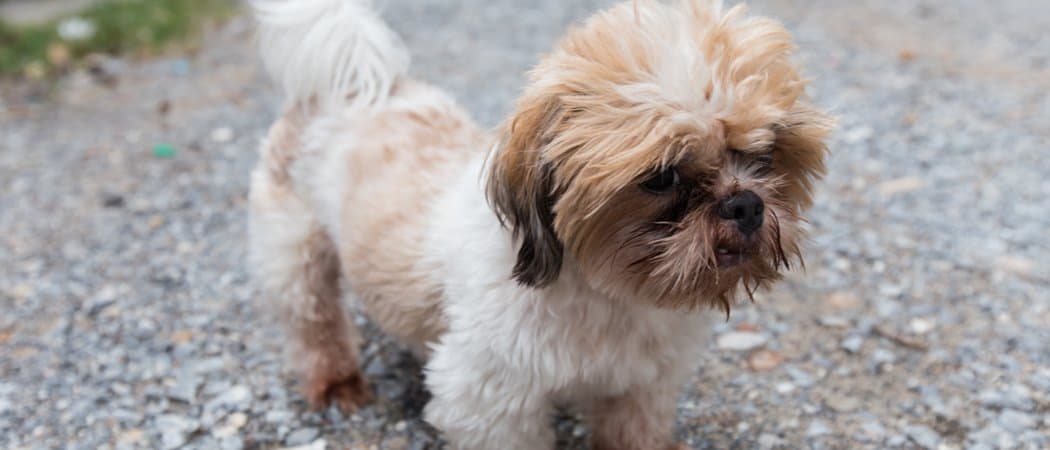
The Bea Tzu
typically inherits a combination of physical characteristics from its parent
breeds. It has a compact and sturdy build, with a height ranging from 9 to 12
inches (23-30 cm) and a weight of 10 to 20 pounds (4.5-9 kg). The Bea Tzu
features a round head, dark expressive eyes, and floppy ears. It has a
medium-length, dense coat that can come in various colors, including black,
white, brown, or a combination of these shades.
History
The Bea Tzu
is considered a designer breed, resulting from the intentional crossbreeding of
a Beagle and a Shih Tzu. While designer breeds have gained popularity in recent
years, the exact origin of the Bea Tzu remains unclear. To understand the breed
better, it is necessary to explore the histories of its parent breeds, the
Beagle and the Shih Tzu.
Behavior
Bea Tzus are
known for their friendly and outgoing nature. They are highly social and get
along well with children, other pets, and strangers. Their Beagle lineage may
contribute to their energetic and playful disposition, while their Shih Tzu
side can make them more relaxed and laid-back. These dogs thrive on human
companionship and may display some degree of separation anxiety if left alone
for long periods.
Health
Generally,
crossbred dogs like the Bea Tzu benefit from hybrid vigor, which can result in
fewer health problems compared to purebred dogs. However, they may still be
prone to certain health issues that can affect their parent breeds. Some common
health concerns in Bea Tzus may include allergies, ear infections, hip
dysplasia, dental problems, and eye conditions. Regular veterinary check-ups
and a balanced lifestyle can help maintain their overall well-being.
Nutrition
A
well-balanced diet is crucial for the health and vitality of a Bea Tzu.
High-quality dog food that is appropriate for their size, age, and activity
level should be provided. It is essential to monitor their food intake to
prevent obesity, as Bea Tzus can have a tendency to gain weight. Consultation
with a veterinarian is recommended to determine the most suitable diet for your
individual Bea Tzu.
Grooming
Bea Tzus
have a moderate grooming requirement. Their medium-length coat should be
brushed regularly to prevent matting and tangles. Occasional professional
grooming may be necessary, especially for trimming the hair around their face
and ears. Additionally, their ears should be checked regularly for signs of
infection, and their teeth should be brushed regularly to maintain good oral
hygiene.
Treatment and Habitat
Bea Tzus are
adaptable dogs that can thrive in various living environments. They can adjust
well to apartment living as long as they receive regular exercise and mental
stimulation. Due to their small size, they are not recommended for households
with very young children who may accidentally harm them during play. Bea Tzus
require a loving and nurturing environment with plenty of attention and
affection from their owners.
Feeding and Exercise
Proper
exercise is important for the overall well-being of Bea Tzus. They enjoy daily
walks, interactive play sessions, and mental stimulation activities. However,
it is essential to avoid excessive exercise in extreme weather conditions due
to their brachycephalic (short-nosed) features, which may make them more
susceptible to respiratory issues. A balanced exercise routine, coupled with a
nutritious diet, will help maintain their weight and overall health.
Breeding
As a
designer breed, Bea Tzus can be selectively bred by responsible breeders who
prioritize the health and well-being of the dogs. It is crucial to choose
reputable breeders who carry out health tests on their breeding dogs to
minimize the risk of passing on genetic disorders. Potential owners should
research and thoroughly understand the responsibilities and challenges
associated with breeding before pursuing this endeavor.
Conclusion
The Bea Tzu
is an endearing and lovable hybrid breed that combines the Beagle's playfulness
and the Shih Tzu's affectionate nature. With their friendly and sociable
personality, they make excellent companions for families and individuals alike.
However, prospective owners should consider their grooming needs, exercise
requirements, and potential health issues before bringing a Bea Tzu into their
home. With proper care, love, and attention, the Bea Tzu can bring joy and
happiness to any household lucky enough to have them as a part of their family.
