
Australian Firehaw
Introduction
The
Australian Firehawk, also known as the Black Kite (Milvus migrans), is a
remarkable bird of prey native to Australia. This unique raptor has gained
attention for its remarkable behavior of intentionally spreading wildfires in
order to hunt for prey. In this article, we will delve into various aspects of
the Australian Firehawk, including its appearance, history, behavior, health,
nutrition, grooming, treatment, habitat, feeding habits, breeding, and conclude
with a better understanding of this captivating species.
Appearance
The
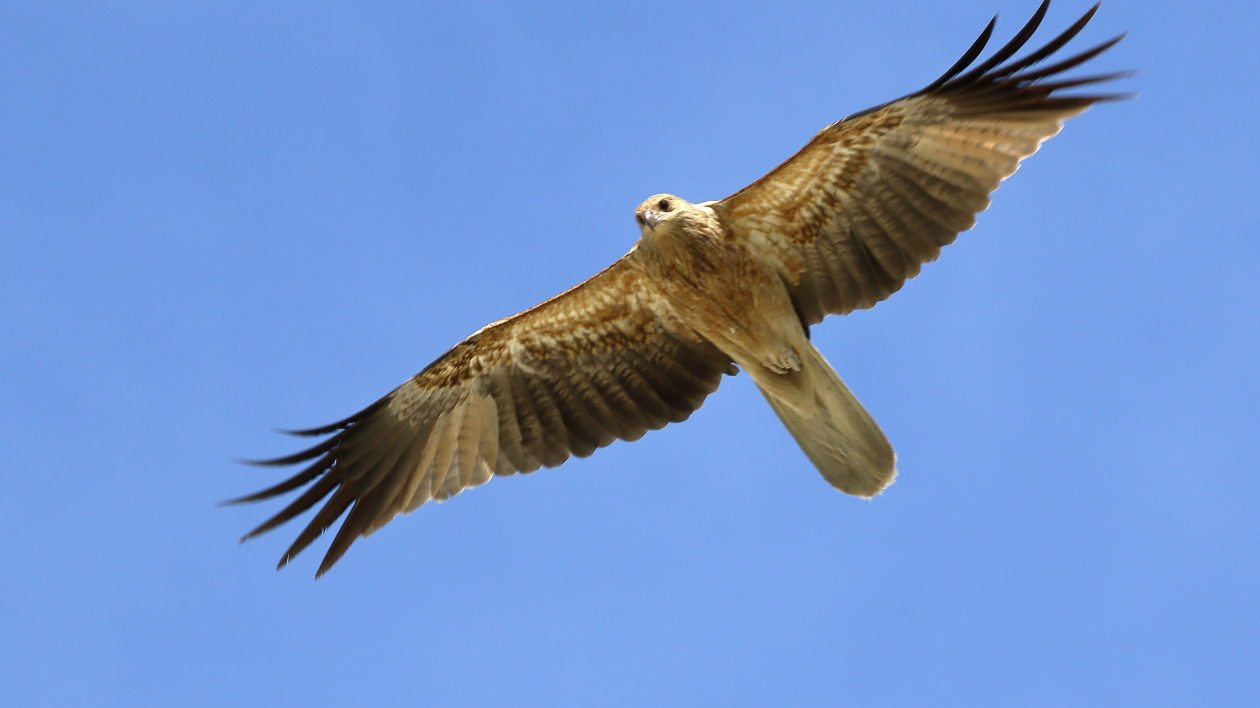
Australian Firehawk is a medium-sized raptor, with a wingspan reaching up to
1.5 meters (4.9 feet) and a length of approximately 50-60 centimeters
(19.6-23.6 inches). Its plumage is predominantly dark brown to black, with a
lighter underbelly. The wings display a distinctive pattern with patches of
white and grey, visible both during flight and when perched. The tail is long
and forked, aiding in aerial maneuverability.
History
The Firehawk
has been a part of Australia's ecosystem for thousands of years and has a rich
cultural significance to indigenous communities. Indigenous Australians have
observed and respected the Firehawk's hunting techniques, which involve using
fire to flush out prey, such as insects, small mammals, and reptiles. These
practices have been passed down through generations and demonstrate the deep
understanding of the land and its inhabitants held by indigenous peoples.
Behavior
One of the
most captivating aspects of the Australian Firehawk is its unique fire-spreading
behavior. It has been observed that these birds deliberately pick up burning
sticks or embers from existing wildfires and transport them to unburned areas,
effectively starting new fires. The ensuing flames flush out prey, making them
easier to spot and capture. This behavior showcases their adaptability and
intelligence, allowing them to exploit fire as a hunting tool.
Health
The
Australian Firehawk, like any wild bird, can face various health challenges.
They are susceptible to diseases common to raptors, such as avian influenza and
avian malaria. They may also experience injuries related to flying, hunting, or
territorial disputes. Regular veterinary check-ups, monitoring of their
habitat's environmental health, and prompt medical attention when necessary are
essential to ensure their well-being.
Nutrition
The Firehawk
has a diverse diet that primarily consists of small mammals, reptiles, birds,
insects, and carrion. They are opportunistic hunters, and their ability to
adapt to changing environments allows them to thrive in both natural and urban
landscapes. However, it is important to note that intentional feeding of wild
birds can disrupt their natural foraging behaviors and may have adverse effects
on their health.
Grooming and Treatment
Birds,
including the Australian Firehawk, maintain their plumage through natural
grooming behaviors such as preening. Preening involves the alignment of
feathers, removal of dirt or parasites, and application of natural oils
secreted by the preen gland. When it comes to treatment, any intervention
should be conducted by trained wildlife professionals or veterinarians in cases
of injury, illness, or emergencies.
Habitat and Feeding
The Firehawk
is widespread across Australia, inhabiting a variety of ecosystems, including
forests, woodlands, grasslands, and urban areas. They are adaptable and have
successfully established themselves in close proximity to humans. This
adaptability allows them to take advantage of the diverse prey available in
different habitats and exploit fire as a hunting tool when appropriate.
Breeding
Breeding
among Firehawks typically occurs during the breeding season, which varies
depending on the region. They construct large nests in tall trees, often near
bodies of water, using sticks, twigs, and other plant materials. Females lay
2-3 eggs, which both parents take turns incubating for about a month. Once
hatched, the chicks are cared for by both parents and remain in the nest for
several weeks until they fledge.
Conclusion
The Australian
Firehawk is a remarkable avian species that exemplifies the adaptability and
intelligence of wildlife in the face of environmental challenges. Their ability
to utilize fire as a hunting tool demonstrates the intricacies of the natural
world and the deep connection between organisms and their habitats. As
guardians of our ecosystems, it is crucial to respect and conserve the
Australian Firehawk and other species that contribute to the rich tapestry of
biodiversity in Australia and beyond.
Australian Firehaw Video
