
Turkish Angora Cat Breed
Introduction
The Turkish
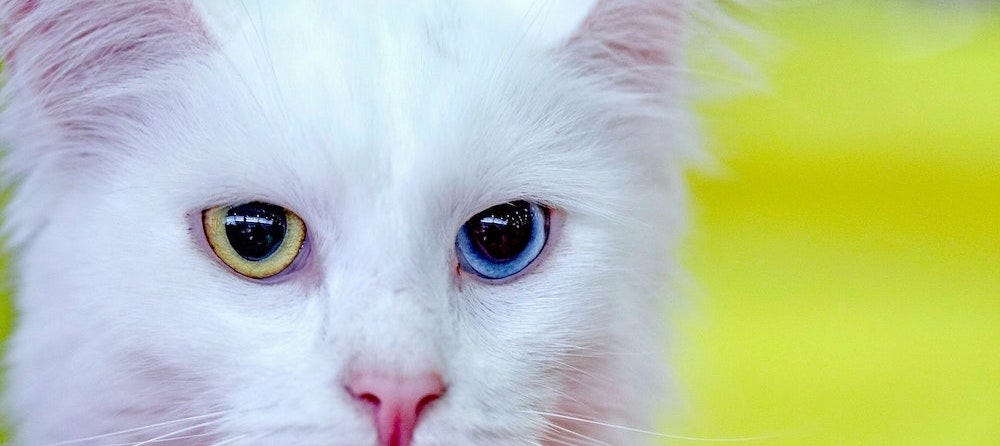
Angora is a charming and elegant breed of cat known for its luxurious, silky
white coat and captivating blue or amber eyes. With a history dating back
centuries, this breed has captivated cat lovers around the world. In this
article, we will explore the Turkish Angora cat breed in detail, including its
appearance, history, behavior, health, nutrition, grooming, treatment, habitat,
feeding, breeding, and conclude with an overview of this remarkable feline.
Appearance
The Turkish
Angora is a medium-sized cat with a graceful, athletic build. It has a fine
bone structure and a muscular body. The most distinctive feature of this breed
is its long, silky coat, which can be white or come in various colors and patterns.
The eyes are almond-shaped and can be blue, amber, or heterochromatic. The
breed is known for its expressive and intelligent gaze.
History
The Turkish
Angora's origins can be traced back to Turkey, where it was highly revered. It
is believed to be one of the oldest natural breeds in the world, with a history
that dates back several centuries. Turkish Angoras were favored pets of royalty
and were considered a symbol of luck and prosperity. The breed made its way to
Europe in the 16th century and gained popularity among cat enthusiasts.
Behavior
Turkish
Angoras are known for their playful and energetic nature. They are intelligent,
curious, and highly social cats that thrive on human companionship. They are
affectionate and enjoy being the center of attention. Turkish Angoras are often
described as "dog-like" because they can be taught to fetch, walk on
a leash, and perform tricks. They get along well with children and other pets,
making them an excellent choice for families.
Health
Overall,
Turkish Angoras are a healthy breed with no known breed-specific genetic health
issues. However, like all cats, they are susceptible to common feline health
problems such as dental issues, obesity, and urinary tract disorders. Regular
veterinary check-ups, vaccinations, and a balanced diet are essential to ensure
their well-being. Responsible breeders conduct appropriate health screenings to
minimize the risk of inherited diseases.
Nutrition
A
well-balanced diet is crucial for maintaining the health of a Turkish Angora. High-quality
commercial cat food that is appropriate for their life stage is recommended. It
is essential to provide them with a diet rich in animal protein, healthy fats,
and essential nutrients. Freshwater should always be available. Consult your
veterinarian for specific dietary recommendations based on your cat's age,
weight, and activity level.
Grooming
The long,
silky coat of the Turkish Angora requires regular grooming to prevent matting
and tangles. Weekly brushing with a soft brush or a stainless-steel comb helps
remove loose hair and keeps the coat in good condition. During shedding
seasons, more frequent grooming may be necessary. Additionally, routine nail
trims, ear cleaning, and dental care are essential parts of their grooming
routine.
Treatment
Turkish
Angoras thrive in loving and nurturing environments. Treat them with kindness,
respect, and provide them with plenty of mental and physical stimulation.
Regular play sessions, interactive toys, and scratching posts help keep them
entertained and prevent boredom. Always handle them gently and avoid harsh
punishment, as they respond best to positive reinforcement and rewards-based
training.
Habitat
Turkish
Angoras are adaptable cats and can live in various environments, including
apartments or houses. They are active and agile, so providing them with
vertical spaces like cat trees or shelves allows them to climb and observe
their surroundings. Ensuring a safe and enriched indoor environment is
essential, as they may be at risk outdoors due to their trusting nature.
Feeding
Turkish
Angoras should be fed a balanced and nutritious diet to maintain their health
and vitality. Consult your veterinarian for specific feeding recommendations
based on your cat's age, weight, and activity level. It is important to monitor
portion sizes and avoid overfeeding to prevent obesity. Regular feeding times
and access to fresh water are crucial for their well-being.
Breeding
Breeding
Turkish Angoras should be left to experienced and responsible breeders who
adhere to ethical breeding practices. It is essential to maintain the breed's
genetic diversity and prevent inbreeding. Breeding programs should focus on
preserving the breed's characteristics while ensuring the health and well-being
of the kittens.
Conclusion
The Turkish Angora cat breed is a magnificent and enchanting feline that brings joy and elegance to any home. With their stunning appearance, playful personality, and affectionate nature, they make wonderful companions for individuals and families alike. Whether you are captivated by their striking blue eyes or their silky white coat, the Turkish Angora is sure to win your heart. By providing them with love, proper care, and a stimulating environment, you can enjoy a lifetime of companionship with this remarkable breed.
Turkish Angora Cat Breed
