
Bald Eagle
Introduction
The bald
eagle, scientifically known as Haliaeetus leucocephalus, is a magnificent bird
of prey that holds great significance in North American culture and history.
With its iconic appearance and impressive behavior, the bald eagle has become a
symbol of power, freedom, and resilience. In this article, we will delve into
various aspects of the bald eagle, including its appearance, history, behavior,
health, nutrition, grooming, treatment, habitat, feeding habits, breeding, and
a concluding note on its importance and conservation.
Appearance
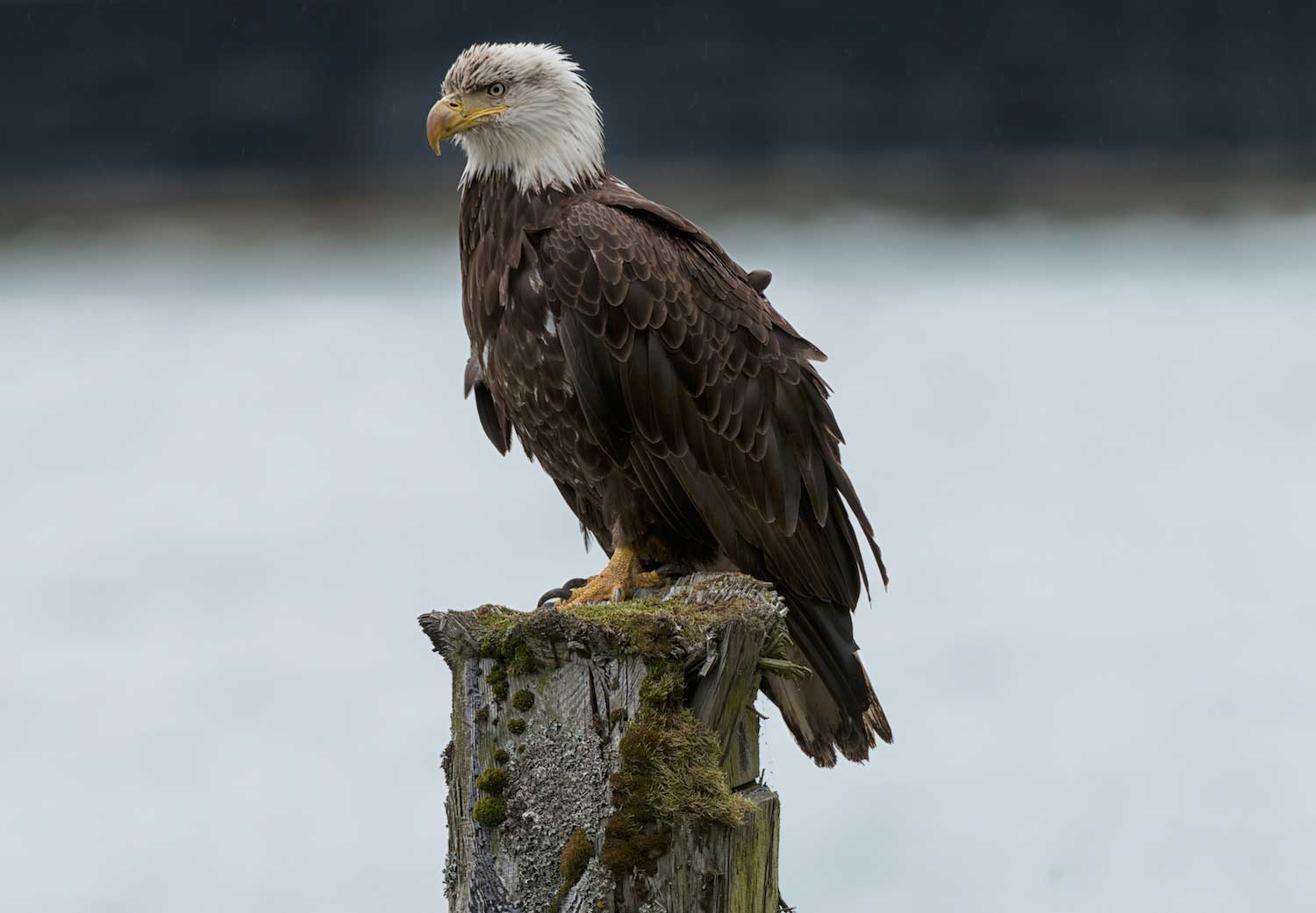
The bald
eagle is a large bird, characterized by its striking appearance. It has a
wingspan that can reach up to 7 feet (2.1 meters) and an average body length of
2.5-3 feet (76-91 centimeters). Adult bald eagles have a distinctive
white-feathered head and tail, which contrasts with their dark brown body.
Juvenile eagles have a predominantly dark brown plumage with mottled patterns
and lack the distinctive white head and tail until they reach sexual maturity
at around 4-5 years of age.
History
The bald
eagle has a rich history deeply rooted in North American culture. It has long
been revered by indigenous peoples and played a significant role in their
spiritual beliefs and folklore. Additionally, the bald eagle was chosen as the
emblem of the United States in 1782, symbolizing strength, freedom, and
patriotism.
Behavior
Bald eagles
are known for their impressive flying skills and keen eyesight. They are
primarily solitary birds, but can occasionally be seen in pairs or small family
groups. These birds exhibit territorial behavior and defend their nesting
territories vigorously. Bald eagles are also adept hunters, with fish
comprising a significant portion of their diet. They soar high above their
habitat, scanning the water's surface for potential prey before swooping down
to catch fish with their powerful talons.
Health
Overall,
bald eagles are resilient and hardy birds. However, they can be susceptible to
certain health issues, including lead poisoning from consuming prey with lead
ammunition residues, pesticide poisoning, and habitat degradation. Conservation
efforts, such as the ban on lead ammunition and the protection of their
habitats, have helped in the recovery of bald eagle populations.
Nutrition
The diet of
bald eagles mainly consists of fish, particularly species found in freshwater
and coastal regions. They are opportunistic feeders and also consume small
mammals, waterfowl, and carrion. Bald eagles have strong beaks and sharp talons
that enable them to tear apart and consume their prey.
Grooming
Bald eagles
maintain their feathers through regular preening, which involves the use of
their beak to clean and arrange the feathers. This grooming behavior helps them
to remove dirt, parasites, and excess oil from their plumage, ensuring optimal
flight performance.
Treatment
In case of
injury or illness, bald eagles may require veterinary care and rehabilitation.
Specialized wildlife rehabilitation centers work tirelessly to provide medical
treatment, rehabilitation, and, if possible, release injured or sick eagles
back into the wild.
Habitat
Bald eagles
are primarily found in North America, ranging from Alaska to northern Mexico.
They inhabit various habitats, including coastal areas, wetlands, lakes,
rivers, and large forested regions near water bodies. These habitats provide
them with suitable nesting sites, abundant food sources, and suitable perches
for hunting.
Feeding
As mentioned
earlier, fish is the primary food source for bald eagles. They employ various
hunting techniques, such as soaring, perching, and even stealing prey from
other birds. Bald eagles are known for their impressive aerial acrobatics while
hunting, and their sharp eyesight enables them to spot fish from considerable
distances.
Breeding
Bald eagles
are monogamous and form long-term pair bonds. They build large nests called
"eyries" in tall trees or on rocky cliffs near bodies of water. Both
male and female eagles participate in nest construction and maintenance. The
female lays 1-3 eggs, and both parents take turns incubating them for
approximately 35 days. After hatching, the parents provide food and care for
the eaglets until they fledge and become independent at around 10-12 weeks old.
Conclusion
The bald
eagle stands as an iconic symbol of strength, freedom, and conservation
success. With its awe-inspiring appearance, remarkable behavior, and significant
historical and cultural importance, the bald eagle continues to capture the
imagination of people worldwide. It is crucial to protect and conserve their
habitats, mitigate threats, and ensure the long-term survival of this
magnificent species for future generations to admire and appreciate.
Bald Eagle Videos
