
Barn Swallow
Introduction
The Barn
Swallow (Hirundo rustica) is a widely recognized and admired passerine bird
that belongs to the family Hirundinidae. These elegant and acrobatic birds are
native to most parts of the Northern Hemisphere and are known for their
distinctive forked tails and graceful flight patterns. The name "Barn
Swallow" originates from their preference for nesting in barns and other
man-made structures. In this article, we will explore various aspects of the
Barn Swallow, including its appearance, history, behavior, health, nutrition,
grooming, treatment, habitat, feeding, and breeding.
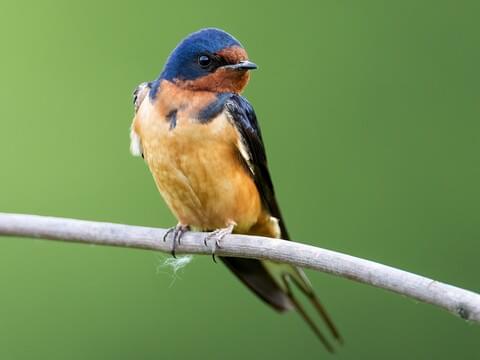
Appearance
The Barn
Swallow boasts a striking appearance with a combination of deep blue and
rust-colored plumage on its back and wings. Its underparts are a creamy white,
and it has a noticeably long, forked tail that sets it apart from other bird
species. The male and female Barn Swallows share similar coloration, but the
male typically displays slightly longer tail streamers.
History
Barn Swallows have a long history of coexistence with humans. They have been observed nesting near human settlements for centuries, taking advantage of the shelter provided by structures like barns, stables, and bridges. Their migratory behavior has also captured the attention of scientists and nature enthusiasts alike, as they undertake remarkable journeys between their breeding and wintering grounds.
Behavior
Barn
Swallows are renowned for their agile flight and aerial hunting skills. They
feed on flying insects, including mosquitoes, flies, and other small flying
insects, which they catch on the wing. These birds are known for their
exceptional acrobatics, performing intricate aerial maneuvers while foraging.
During migration, they often form large flocks and are known to cover long
distances.
Health
In general,
Barn Swallows are hardy birds and have few natural predators. However, they can
still be susceptible to certain diseases and parasites. Avian influenza, West
Nile virus, and parasites like mites can pose threats to their health.
Monitoring their population and taking precautions against the spread of
diseases are essential to ensure their well-being.
Nutrition
The diet of
Barn Swallows primarily consists of insects and other small invertebrates. They
are expert insect hunters and rely on their excellent vision and agility to
catch their prey mid-flight. Their feeding habits also benefit humans, as they
help control insect populations in agricultural areas.
Grooming
Barn
Swallows groom themselves regularly to maintain the health and condition of
their feathers. They use their beaks to preen and align their feathers, which
helps to keep them clean, aerodynamic, and well-insulated.
Treatment
If you
encounter an injured or distressed Barn Swallow, it is crucial to contact local
wildlife rehabilitators or bird rescue centers. Attempting to handle or treat
the bird yourself may cause more harm than good. Trained professionals can
provide appropriate care and rehabilitation.
Habitat
Barn
Swallows are adaptable birds and can be found in various habitats, including
grasslands, wetlands, and open woodlands. However, they show a strong affinity
for human-altered landscapes, often nesting in buildings, under bridges, or in
other structures. The availability of open spaces for foraging and a nearby water
source are vital considerations for their habitat selection.
Feeding
As mentioned
earlier, Barn Swallows feed predominantly on flying insects, which they capture
during flight. They are highly skilled aerial foragers and can often be seen
swooping and diving gracefully to catch their prey. During the breeding season,
they collect mud to build their nests, which are often found in the eaves of
buildings or other sheltered locations.
Breeding
Barn
Swallows are monogamous and form pair bonds that can last for multiple breeding
seasons. The female builds the nest using mud as the primary construction
material, shaping it into a cup-like structure lined with feathers and other
soft materials. They lay a clutch of 3-7 eggs, which both parents take turns
incubating. After hatching, both parents share the responsibilities of feeding
and caring for the chicks until they are ready to fledge.
Conclusion
The Barn
Swallow is an enchanting bird that has long captivated the imagination of
birdwatchers and nature enthusiasts. With its mesmerizing flight patterns,
vibrant plumage, and beneficial insect-eating habits, this bird has forged a
unique and harmonious relationship with humans. However, like many avian
species, they face challenges related to habitat loss and human disturbance. By
understanding and appreciating these graceful birds, we can strive to ensure
their continued presence in our ecosystems for generations to come.
Barn Swallow Videos
