
Baya Bird
Introduction
The Baya
bird, also known as the Baya weaver or the common weaver, is a small passerine
bird belonging to the Ploceidae family. These charming birds are primarily
found in South Asia, including India, Sri Lanka, Pakistan, and Bangladesh. They
are widely admired for their remarkable weaving skills and unique behaviors,
making them a subject of fascination among bird enthusiasts and researchers
alike.
Appearance
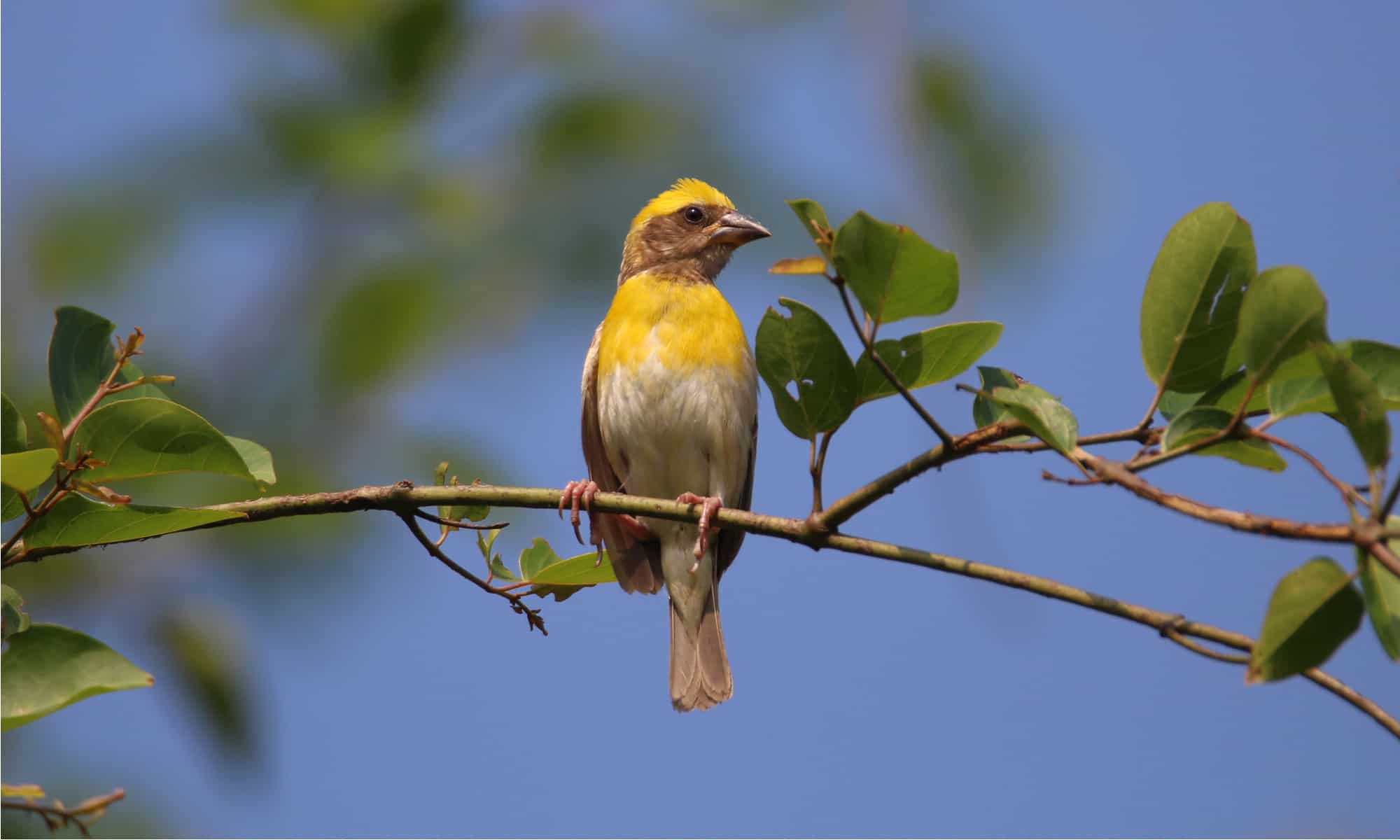
Baya birds
have a distinctive appearance that sets them apart from other avian species.
The male Baya has striking black and yellow plumage during the breeding season.
Their head and upperparts are glossy black, while their underparts are bright
yellow. Females, on the other hand, have a more subdued olive-brown color with
a paler yellow belly. Both sexes have a pointed, conical bill that aids them in
their intricate weaving activities.
History
Throughout
history, Baya birds have been admired for their intricate nest-building
abilities. Their nests are often seen hanging from tree branches and other
structures in large colonies, showcasing the birds' remarkable craftsmanship.
The tradition of Baya birds weaving nests has been admired and recorded in
ancient Indian texts and folklore.
Behavior
Baya birds
are highly social creatures and are often found in large colonies during the
breeding season. The male Bayas are responsible for building elaborate nests to
attract potential mates. These nests are woven with grass, leaves, and twigs,
and the males often display acrobatic performances to showcase their
nest-building skills. Once a female selects a mate based on the quality of the
nest, she will help with its completion and may make some adjustments to suit
her preferences.
Health
Baya birds
are generally hardy and can adapt well to different environments. However, like
all animals, they are susceptible to various diseases and parasites. Regular
observation of their behavior and appearance can help detect any signs of
illness or distress. If any health concerns are noticed, it is crucial to
consult an avian veterinarian for proper diagnosis and treatment.
Nutrition
In the wild,
Baya birds primarily feed on seeds, grains, and insects. In captivity, their
diet should consist of a balanced mix of seeds, including millets, canary grass
seeds, and fresh fruits and vegetables. Commercially available bird pellets and
supplements can also be included to ensure they receive all the necessary
nutrients.
Grooming
Baya birds
are meticulous groomers, often preening their feathers to keep them clean and
well-maintained. They use their beaks to remove dirt, dust, and loose feathers.
Additionally, bathing is an essential part of their grooming routine, and
providing them with a shallow dish of water for bathing will help them maintain
their plumage in top condition.
Treatment
As with any
pet, it is essential to handle Baya birds with care and respect. Gentle
interactions and positive reinforcement can help build trust and a strong bond
with them. If they display any signs of stress or discomfort, it is best to
give them space and observe from a distance.
Habitat
Baya birds
are highly adaptable and can be found in various habitats, including
grasslands, wetlands, and agricultural areas. They are particularly fond of
open spaces with access to water sources for drinking and bathing.
Feeding
In the wild,
Baya birds primarily feed on seeds, grains, and insects. They are known for
their habit of foraging on the ground and in the low vegetation for food. In
urban environments, they may scavenge for food scraps and grains.
Breeding
Breeding
season for Baya birds typically occurs during the monsoon months when food
sources are abundant. Male Bayas construct elaborate nests to attract females.
Once a pair has formed a bond, the female will lay a clutch of eggs, usually
ranging from 2 to 4 in number. Both parents take turns incubating the eggs and
caring for the chicks after hatching.
Conclusion
The Baya
bird is a captivating species that has captured the attention of people for
centuries. Their exceptional nest-building skills, vibrant plumage, and social
behaviors make them a delight to observe in the wild or as pets. However, it is
important to remember that wild birds are best appreciated from a distance, and
any interaction with them should prioritize their well-being and conservation.
As with all wildlife, the protection of their natural habitats is crucial to
ensure the continued existence of this remarkable species for generations to
come.
Baya Bird Videos
