
African Civet: A Comprehensive Guide
Introduction
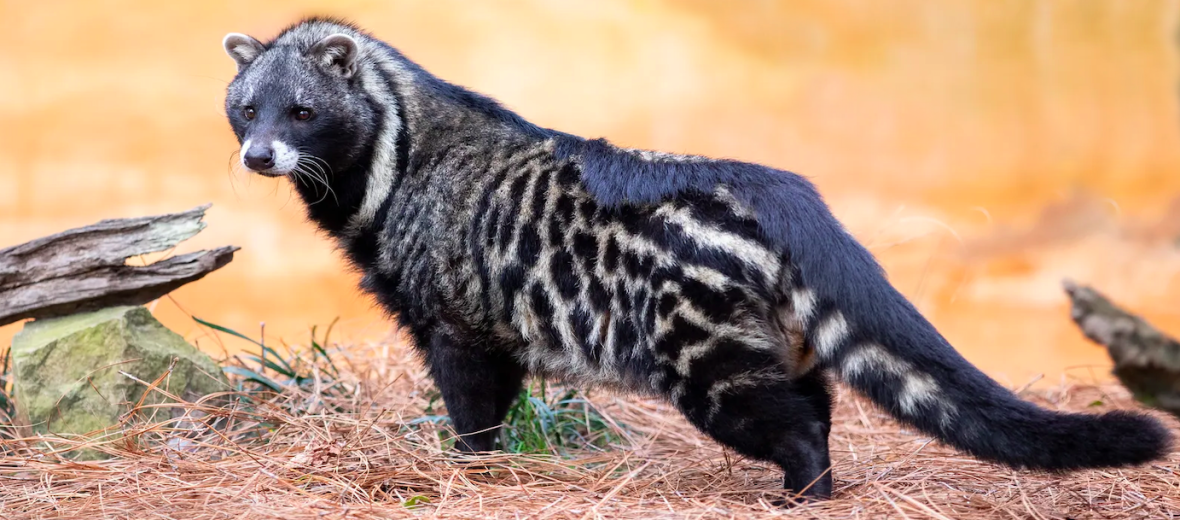
Appearance
The African
Civet boasts a sleek, elongated body, characterized by a coarse, grayish-brown
fur with irregular black spots and stripes. Its distinctive features include a
white face mask extending from the eyes to the nape of the neck, giving it an
unmistakable appearance. Its bushy tail and sturdy build make it a formidable
creature in its natural habitat.
History
Behavior
African Civets are primarily nocturnal creatures, exhibiting solitary and territorial behavior. They are adept climbers and swimmers, using these skills to escape predators or hunt for food. Their communication involves vocalizations, scent marking, and body language, which play crucial roles in their social interactions and territory establishment.
Health
Maintaining
the health of African Civets in captivity or in the wild requires careful
attention. Common health concerns include parasites, respiratory infections,
and injuries sustained from territorial disputes or accidents. Regular
veterinary check-ups, a balanced diet, and a suitable living environment are
essential for their well-being.
Nutrition
In the wild,
African Civets have an omnivorous diet. They feed on a variety of foods,
including fruits, insects, small mammals, and birds. In captivity, it is
crucial to replicate this diverse diet, providing a mixture of fruits,
vegetables, protein sources, and occasional treats to ensure their nutritional
needs are met.
Grooming
African
Civets are meticulous groomers. They use their teeth and tongue to clean
themselves, removing dirt and parasites from their fur. In captivity, providing
a clean environment and regular grooming sessions, including nail trimming and
coat brushing, contributes to their overall health and well-being.
Treatment
When kept in
captivity, African Civets require humane and responsible treatment. They need
spacious enclosures, mental stimulation, and opportunities for exercise.
Interaction with humans should be limited to essential care and enrichment
activities to minimize stress.
Habitat
African
Civets are highly adaptable and can be found in a range of habitats, including
savannas, forests, and grasslands. They require access to water sources and
ample vegetation for cover. Conservation efforts are essential to protect their
habitats from deforestation and habitat degradation.
Feeding
Their diet
primarily consists of fruits, insects, small mammals, and birds. In captivity,
providing a balanced diet that replicates their natural feeding habits is
crucial. Consultation with a veterinarian or wildlife expert is recommended to
ensure their dietary needs are met.
Breeding
Breeding in
African Civets is a carefully orchestrated process. Males and females come
together for mating, after which the female will give birth to a litter of
typically two to four offspring. These young civets are cared for by their
mother and, once mature, will establish their territories.
Conclusion
The African
Civet is a captivating creature, both in appearance and behavior. Its rich
history and ecological significance make it an important species in African
ecosystems. By understanding and respecting their needs, we can contribute to
their conservation and ensure that future generations can appreciate the beauty
and wonder of this remarkable animal.
African Civet Videos
