
Parakeets: A Comprehensive Guide
Introduction
Parakeets,
also known as budgerigars or budgies, are small, colorful birds that belong to
the parrot family. They are popular pets around the world due to their vibrant
plumage, intelligence, and charming personalities. This comprehensive guide
will cover various aspects of parakeet care and ownership, including their
appearance, history, behavior, health, nutrition, grooming, treatment, habitat,
feeding, breeding, and a concluding summary.
Appearance
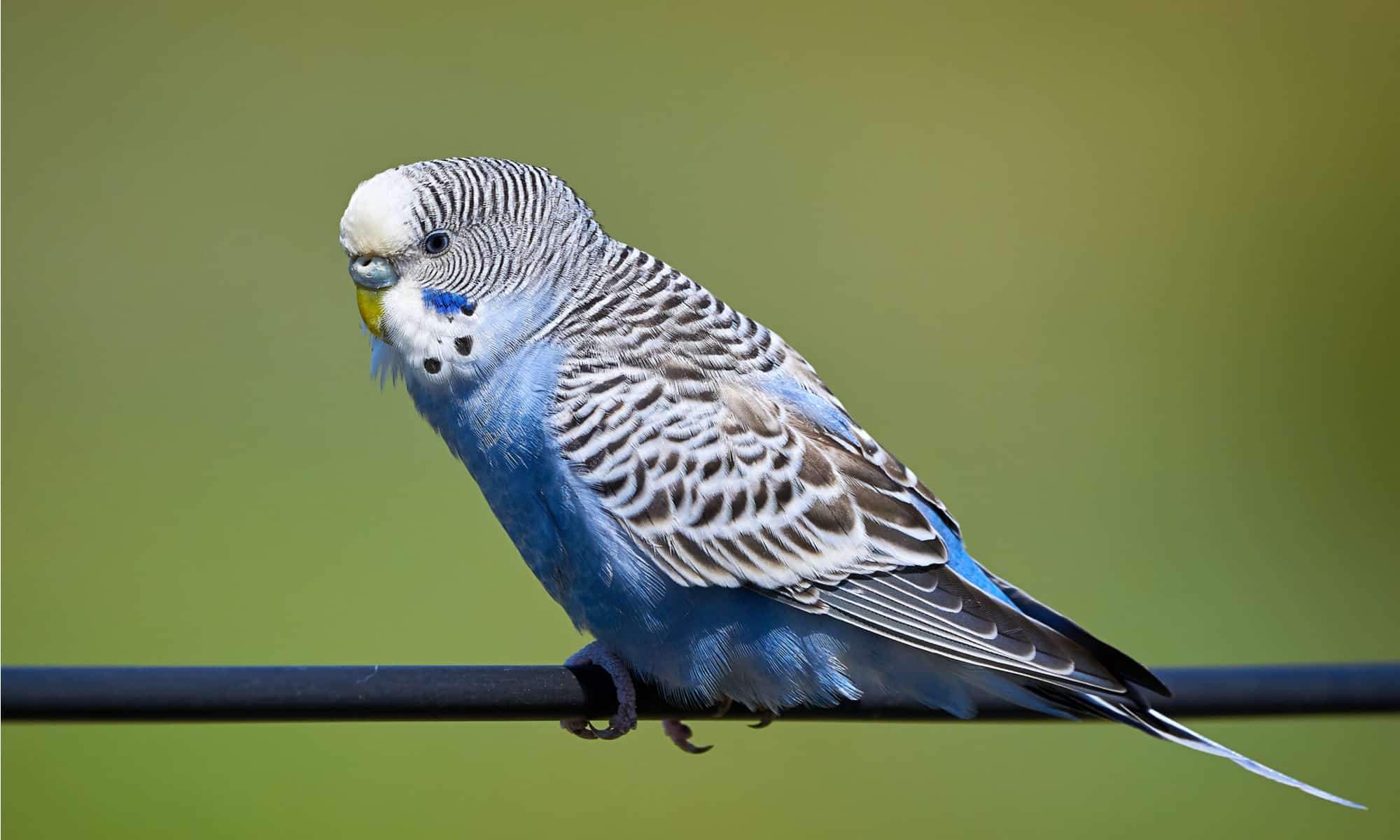
Parakeets
are small birds, typically measuring about 7 to 8 inches in length. They are
known for their striking colors, with variations including bright greens, blues,
yellows, and even combinations of these hues. Their plumage is often marked
with intricate patterns, and some breeds may have unique features like crests
or spots.
History
Native to
Australia, parakeets have a rich history dating back thousands of years. They
were first discovered by Europeans in the late 18th century and soon gained
popularity as pets due to their playful nature and ability to mimic sounds.
Behavior
Parakeets
are social creatures that thrive on interaction with their human companions or
fellow birds. They are intelligent and can be trained to perform simple tricks
or even learn to talk. These birds are known for their chirpy and energetic
demeanor, making them delightful additions to any household.
Health
Maintaining
the health of your parakeet is crucial for a happy and long-lasting
companionship. Regular check-ups with an avian veterinarian are recommended to
monitor their overall well-being. Common health concerns include respiratory
issues, mites, and nutritional deficiencies. A balanced diet and a clean
environment are key to preventing these problems.
Nutrition
A balanced
diet is vital for the health of your parakeet. Their primary diet consists of
seeds, supplemented with fresh fruits and vegetables. Pelleted food can also be
included to ensure they receive all necessary nutrients. Providing a clean and
fresh water source is essential.
Grooming
Grooming
includes activities like nail trimming, beak shaping, and feather care. Regular
maintenance helps prevent overgrown nails or beaks, which can lead to
discomfort or health issues. Additionally, providing a shallow dish of water
for bathing allows your parakeet to keep its plumage clean and healthy.
Treatment
If you
notice any changes in your parakeet's behavior, appetite, or appearance, it's
crucial to seek prompt veterinary attention. Early detection and treatment of
potential health issues are crucial for a quick recovery and to maintain the
bird's quality of life.
Habitat
A spacious
cage with room for flying and exercise is essential for a happy and healthy
parakeet. The cage should be equipped with perches, toys, and feeding bowls.
Additionally, ensure the cage is kept in a draft-free area away from direct
sunlight and extreme temperatures.
Feeding
In addition
to a balanced diet of seeds, fruits, and vegetables, parakeets enjoy occasional
treats like millet sprays or small amounts of cooked grains. It's important to
monitor their intake to prevent obesity or nutrient imbalances.
Breeding
Breeding
parakeets requires careful planning and a deep understanding of their needs. A
separate breeding cage, proper diet, and monitoring of the nesting process are
crucial. If you are considering breeding parakeets, it's recommended to seek
advice from experienced breeders or avian experts.
Conclusion
Parakeets
are delightful companions known for their vibrant colors, playful behavior, and
intelligence. By providing a nurturing environment, a balanced diet, and
regular veterinary care, you can enjoy a rewarding and enduring relationship
with these charming birds. Remember, each parakeet is unique, so pay attention
to their individual preferences and needs for a fulfilling companionship.
Parakeets Videos
