
Bagworm Moth Caterpillar
A Comprehensive Guide
Introduction
The Bagworm
Moth Caterpillar, scientifically known as Psychidae, is a fascinating insect
with a unique life cycle and distinctive appearance. This species is a member
of the Lepidoptera order and can be found in various parts of the world. In
this comprehensive guide, we will delve into the various aspects of the Bagworm
Moth Caterpillar, including its appearance, behavior, habitat, and more.
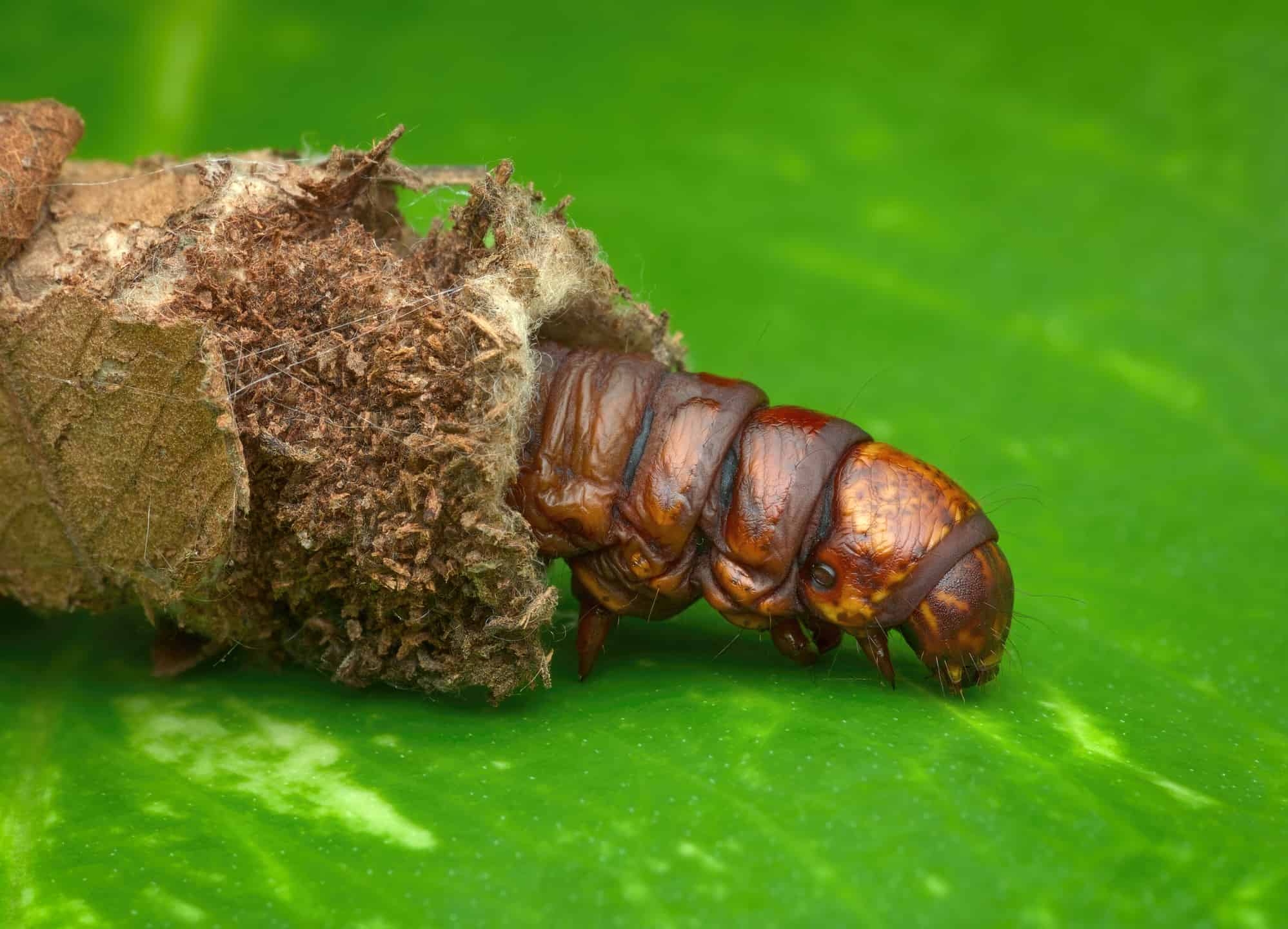
Appearance
Bagworm Moth
Caterpillars are small, cylindrical larvae that typically measure between 1 to
2 inches in length. They have soft, segmented bodies with tiny, fine hairs
covering their exoskeleton. Their coloration varies, often mimicking the
foliage of their natural surroundings, which aids in camouflaging them from
predators.
One of the
most distinctive features of the Bagworm Moth Caterpillar is their ability to
construct elaborate protective cases, or bags, from silk and bits of foliage.
These cases are carried with them as they move, providing both camouflage and
protection.
History
Bagworm Moth
Caterpillars have a long evolutionary history, with fossil evidence suggesting
they have been around for over 200 million years. Their ability to adapt and
survive in various environments has contributed to their continued existence
over such an extended period.
Behavior
Bagworm Moth
Caterpillars are known for their sedentary lifestyle. They spend the majority
of their lives inside their protective cases, where they feed and grow. When
it's time for them to pupate, they attach their case to a stable surface and
seal themselves inside for this transformative stage.
Health
Maintaining
the health of a Bagworm Moth Caterpillar primarily involves providing them with
a suitable environment and a steady source of appropriate food. Ensuring they
have a variety of foliage available to construct their protective cases is also
crucial.
Nutrition
Bagworm Moth
Caterpillars are primarily herbivores, with their diet consisting mainly of
leaves and other plant material. They are known to be highly selective in their
choice of foliage, often preferring specific types of trees or shrubs.
Grooming
Grooming is
a natural behavior for Bagworm Moth Caterpillars, as they meticulously
construct and maintain their protective cases. This process involves weaving
silk threads to create a sturdy structure while attaching bits of leaves or
twigs for added camouflage.
Treatment
In
captivity, providing a controlled environment that mimics their natural habitat
is essential for the health and well-being of Bagworm Moth Caterpillars.
Monitoring temperature, humidity, and ensuring a regular food supply are
crucial factors.
Habitat
Bagworm Moth
Caterpillars can be found in a wide range of habitats, from forests and
grasslands to urban gardens. Their adaptability to various environments is a
testament to their resilience.
Feeding
As mentioned
earlier, Bagworm Moth Caterpillars primarily feed on the leaves and foliage of
plants. In the wild, they are known to display a preference for specific types of
trees, which can vary depending on their location.
Breeding
After the
pupal stage, Bagworm Moths emerge as adults. The males are characterized by
their feathery antennae, while the females are wingless and remain inside their
larval cases. Mating occurs shortly after the female emerges from her case, and
she lays her eggs within her bag before eventually dying.
Conclusion
The Bagworm
Moth Caterpillar is a marvel of nature, showcasing impressive adaptations and
behaviors that have allowed it to thrive for millions of years. Its unique
appearance and intriguing life cycle make it a subject of fascination for
entomologists and nature enthusiasts alike. Understanding and appreciating the
intricacies of this species sheds light on the remarkable diversity of life on
our planet.
Bagworm Moth Caterpillar Videos
