
Bagworm Moth
A Comprehensive Overview
Introduction
The bagworm
moth, scientifically known as Psychidae, is a family of moths characterized by
the unique behavior of constructing protective cases or bags made of silk and
various materials. These bags serve as both shelter and camouflage for the
larvae during their development. This distinctive feature sets them apart from
other moth species.
Appearance
Bagworm
moths undergo complete metamorphosis, transitioning through four distinct life
stages: egg, larva, pupa, and adult.
Egg: Bagworm eggs are small, oval-shaped,
and typically laid within the bag. They are often hard to spot due to their
size and camouflage.
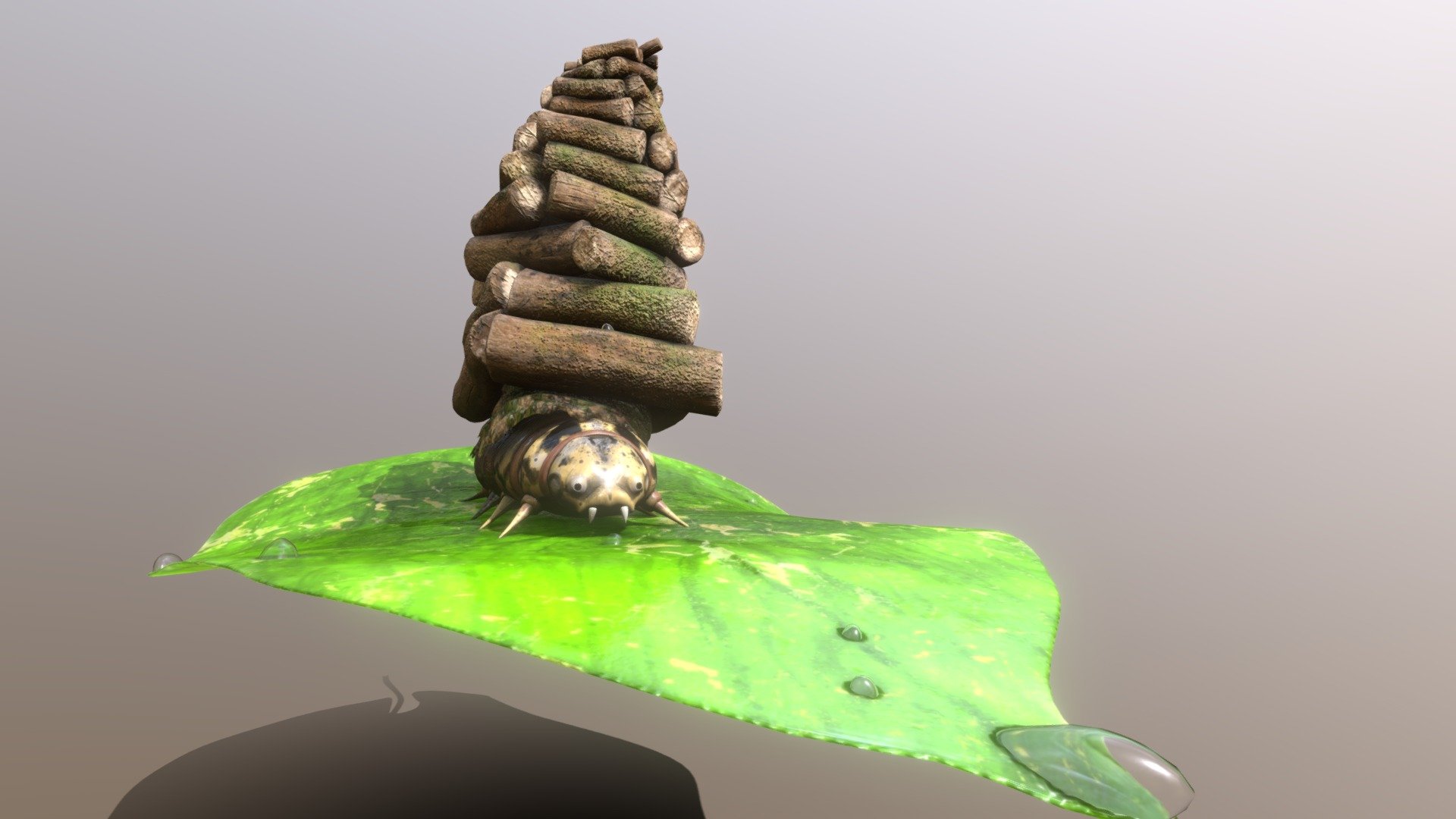
Larva: The larval stage is where the
bagworms construct their characteristic bags. These bags are composed of silk
and bits of leaves, twigs, or other debris from their surroundings. The larva
protrudes its head and legs out of the top of the bag, allowing it to move and
feed.
Pupa: After the larval stage, the bagworm
pupates inside its bag. During this stage, the pupa undergoes transformation,
eventually emerging as an adult moth.
Adult: Adult bagworm moths are generally
small to medium-sized with a wingspan ranging from 6 to 30 mm. The females are
typically wingless or have very small, non-functional wings, while the males
have larger, fully developed wings.
History
The bagworm
moth family, Psychidae, has a long evolutionary history dating back to the late
Jurassic period, approximately 180 million years ago. Fossil evidence indicates
that bagworm-like structures were present in ancient insects. Over the
millennia, these insects have evolved various strategies for survival and
reproduction.
Behavior
Bagworm
larvae are primarily solitary creatures, spending the majority of their lives
inside their protective cases. They are meticulous builders, using silk to
attach their bags to branches, walls, or other surfaces. They have a unique
feeding behavior, extending their bodies out of the bag to consume nearby
foliage while remaining well-concealed.
Health
Bagworm
moths do not pose any direct health risks to humans. However, they can have an
impact on the health of plants, especially trees and shrubs, as the larvae can
defoliate them. In cases of severe infestations, this can lead to stress or
even death of the affected plants.
Nutrition
The primary
source of nutrition for bagworm larvae is the foliage of the plants on which
they feed. They use their strong mandibles to chew and consume leaves. This
feeding behavior allows them to grow and develop through their larval stage.
Grooming
Bagworm
larvae do not engage in traditional grooming behaviors like many mammals or
birds. Instead, they undergo molting, shedding their old exoskeletons to
accommodate their growing bodies.
Treatment
If bagworm
infestations become a concern, there are several treatment options available.
These may include manual removal of bags, insecticidal sprays, or biological
controls like introducing natural predators of bagworms.
Habitat
Bagworm
moths are found in various habitats worldwide, with a preference for temperate
and subtropical regions. They are commonly found in forests, gardens, urban
areas, and other places where suitable host plants are available.
Feeding
Bagworm
larvae are highly specialized herbivores, primarily feeding on the leaves of a
wide range of plants. Their choice of host plants can vary depending on the
species and availability of vegetation in their habitat.
Breeding
The adult
bagworm moths are short-lived, with a primary goal of reproduction. Males are
equipped with well-developed wings, allowing them to fly in search of females.
After mating, the female lays her eggs within her bag, where they remain until
they hatch into larvae.
Conclusion
The bagworm
moth, with its distinctive bag-building behavior, is a fascinating insect with
a rich evolutionary history. While they may have a minor impact on plant
health, they are an integral part of many ecosystems. Understanding their life
cycle and behaviors can help in managing potential impacts and appreciating the
intricate world of these unique moths.
Bagworm Moth Videos
