
Leech: An In-depth Exploration
Introduction
Leeches are
fascinating creatures belonging to the class Hirudinea, a subclass of segmented
worms. They are found in various aquatic environments worldwide, from
freshwater lakes and rivers to moist terrestrial habitats. Despite their often
misunderstood reputation, leeches play crucial roles in ecosystems and have
been used in traditional medicine for centuries.
Appearance
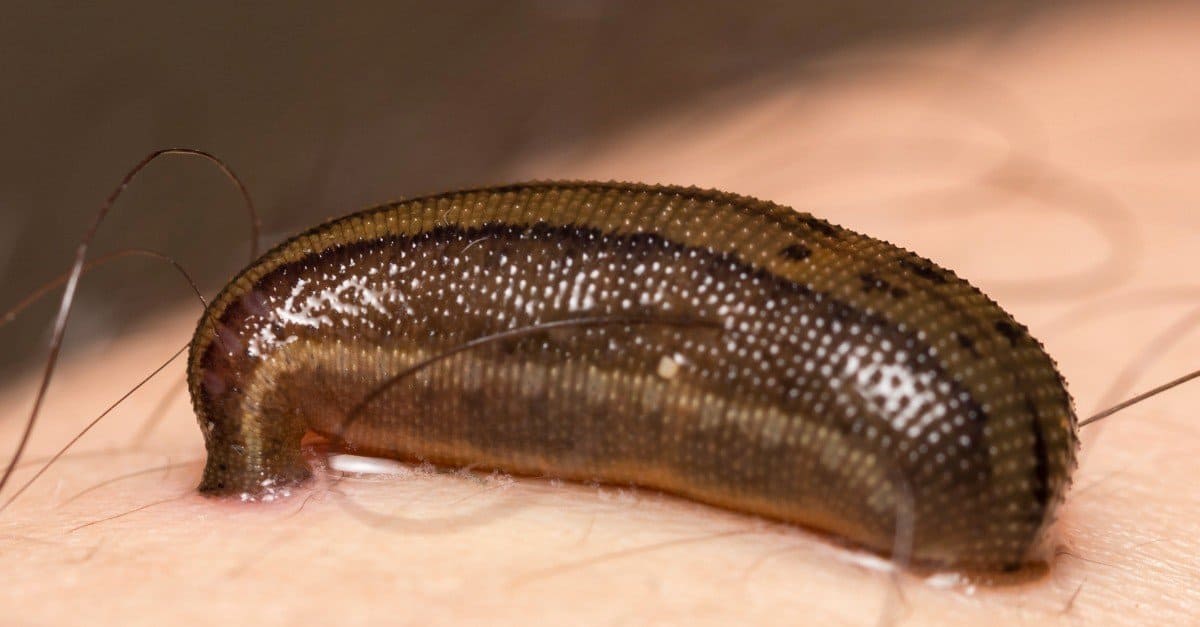
Leeches
typically have elongated, flattened bodies with a distinctive segmented
structure. They lack a rigid skeleton, allowing them to move flexibly. Most
species range from a few millimeters to several centimeters in length, though
some can grow significantly larger. They come in various colors, including
brown, black, and olive green, and are often adapted to blend in with their
surroundings.
History
Leeches have
a long and storied history. They have been used in traditional medicine for
thousands of years, primarily for bloodletting to balance bodily humors. In the
18th and 19th centuries, leeches were in high demand in European medicine.
Their popularity eventually declined with the advent of modern medicine but has
seen a resurgence in recent years, particularly in reconstructive surgery.
Behavior
Leeches are
primarily carnivorous and feed on the blood of other animals. They use
specialized mouthparts to attach themselves to their host and secrete an
anticoagulant enzyme that prevents the blood from clotting during feeding. Some
leech species are also scavengers, feeding on detritus and small invertebrates.
Health
While
leeches are generally harmless to humans, there are a few species that can
transmit diseases. It's essential to be cautious when encountering leeches in
the wild and to seek medical attention if you experience any adverse reactions
after being bitten.
Nutrition
Leeches are
obligate blood-feeders, meaning they require blood to survive. Their digestive
system is adapted for extracting nutrients from blood, and they can survive for
several months between feedings.
Grooming
Leeches are
relatively low-maintenance creatures. They naturally shed their outer skin
layer, or cuticle, as they grow. This process, known as molting, allows them to
continue growing throughout their lives.
Treatment
In medical
settings, leeches are often used in a controlled environment for specific
therapeutic purposes, such as promoting blood flow in reattached or
transplanted tissues. Proper sterilization and handling techniques are crucial
to ensure the safety and efficacy of leech therapy.
Habitat
Leeches can
be found in a wide range of habitats, from freshwater environments like ponds,
rivers, and swamps, to moist terrestrial areas such as rainforests and
wetlands. Some species are even adapted to survive in extreme environments like
thermal springs and saline lakes.
Feeding
Leeches use
their powerful suction cups to attach themselves to a host, where they secrete
enzymes that break down tissue and prevent blood clotting. They can engorge
themselves several times their original size during a feeding session, after
which they may not need to feed again for several months.
Breeding
Leeches
reproduce through a process called clitellum mating. This involves the exchange
of sperm packets between two individuals, after which the eggs are deposited in
a protective cocoon secreted by a specialized part of the leech's body called
the clitellum. The young leeches develop within the cocoon and eventually
emerge fully formed.
Conclusion
Leeches,
though often misunderstood, are remarkable creatures with a rich history
intertwined with human medicine. Their ecological roles and potential
therapeutic uses continue to be subjects of scientific study and exploration.
As we delve deeper into the natural world, leeches serve as a reminder of the
incredible diversity of life on our planet.
