
Brahma Chicken
A Comprehensive Guide
Introduction
The Brahma
chicken is a magnificent breed known for its impressive size, gentle nature,
and distinctive appearance. Originating from Asia, this breed has garnered
popularity worldwide for its unique characteristics. In this comprehensive
guide, we will delve into various aspects of the Brahma chicken, including its
appearance, history, behavior, health, nutrition, grooming, treatment, habitat,
feeding, breeding, and conclude with a summary of its remarkable attributes.
Appearance
Brahma
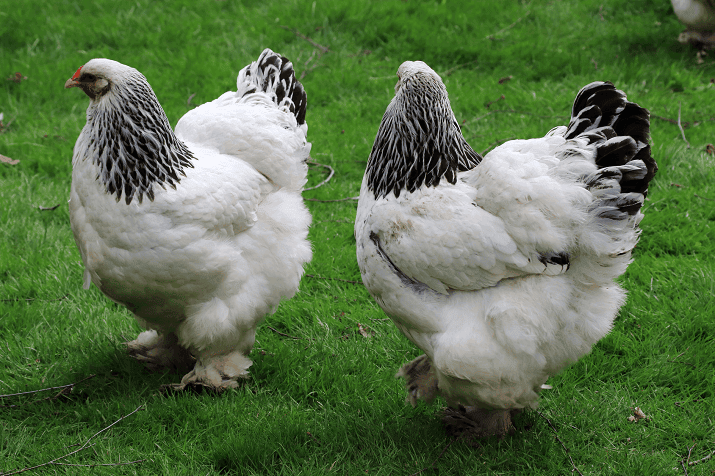
chickens are renowned for their substantial size and stately appearance. They
possess a broad, muscular frame with a distinctively upright stance. Their
feathers are lush and abundant, and they often display a striking color
pattern, most commonly a blend of black, white, and shades of gray. Their
striking appearance has made them a favorite among poultry enthusiasts and
exhibition breeders alike.
History
The Brahma
chicken traces its roots back to the Brahmaputra region in India, where it was
originally known as the "Gray Chittagong." In the mid-1800s, it was
introduced to the Western world, particularly to the United States and the
United Kingdom, where it gained popularity due to its impressive size and
suitability for both meat and egg production.
Behavior
Known for
their docile and friendly nature, Brahma chickens are often described as gentle
giants. They are sociable birds that tend to get along well with other flock
members, making them an excellent choice for backyard poultry enthusiasts and
families. They are generally calm and easy to handle, which adds to their
appeal as pets.
Health
Brahma
chickens are known for their robust health, provided they are given proper care
and attention. Like all poultry, they are susceptible to common ailments such
as respiratory infections, mites, and parasites. Regular health check-ups, a
clean living environment, and a balanced diet are crucial for maintaining their
well-being.
Nutrition
A balanced
diet is vital for the overall health and productivity of Brahma chickens. They
require a diet rich in protein, vitamins, and minerals to support their large
size and egg production. Commercial poultry feeds, supplemented with fresh
fruits, vegetables, and occasional treats, ensure they receive the necessary
nutrients for optimal health.
Grooming
Brahma
chickens have relatively low grooming needs. Regularly checking for signs of
pests or infections in their feathers and providing them with a clean living
space is usually sufficient. Trimming their nails and beak, if necessary, can
be done to ensure their comfort and well-being.
Treatment
Should a
Brahma chicken fall ill or require medical attention, it is advisable to consult
a poultry veterinarian with experience in avian care. Prompt and accurate
diagnosis, along with appropriate treatment, can significantly improve their
chances of recovery.
Habitat
Brahma
chickens are adaptable birds that can thrive in various environments. They do
well in both free-range settings and confined spaces, as long as they have
access to a clean and secure coop or shelter. Providing adequate protection
from extreme weather conditions is essential for their well-being.
Feeding
A balanced
diet is crucial for the optimal growth and development of Brahma chickens. They
should have access to clean water at all times, along with a well-rounded
poultry feed that meets their nutritional requirements. Additionally,
supplementing their diet with fresh greens, grains, and occasional protein-rich
treats can enhance their overall health.
Breeding
For those
interested in breeding Brahma chickens, it is essential to select healthy and
genetically sound parent birds. Providing them with a suitable breeding environment
and ensuring they receive proper nutrition and care will increase the
likelihood of successful reproduction.
Conclusion
In
conclusion, the Brahma chicken is a remarkable breed with a rich history and
distinctive characteristics. Their impressive size, gentle nature, and striking
appearance make them a favorite among poultry enthusiasts and backyard keepers
worldwide. By providing them with proper care, nutrition, and a safe living
environment, Brahma chickens can thrive and bring joy to those fortunate enough
to have them in their flock.
