
The Fairy Wren
A Comprehensive Guide
Introduction
The Fairy
Wren, scientifically known as Malurus, is a genus of birds native to Australia
and Papua New Guinea. These enchanting creatures are renowned for their vibrant
plumage and lively behavior, making them a popular subject for birdwatchers and
wildlife enthusiasts.
Appearance
Fairy Wrens
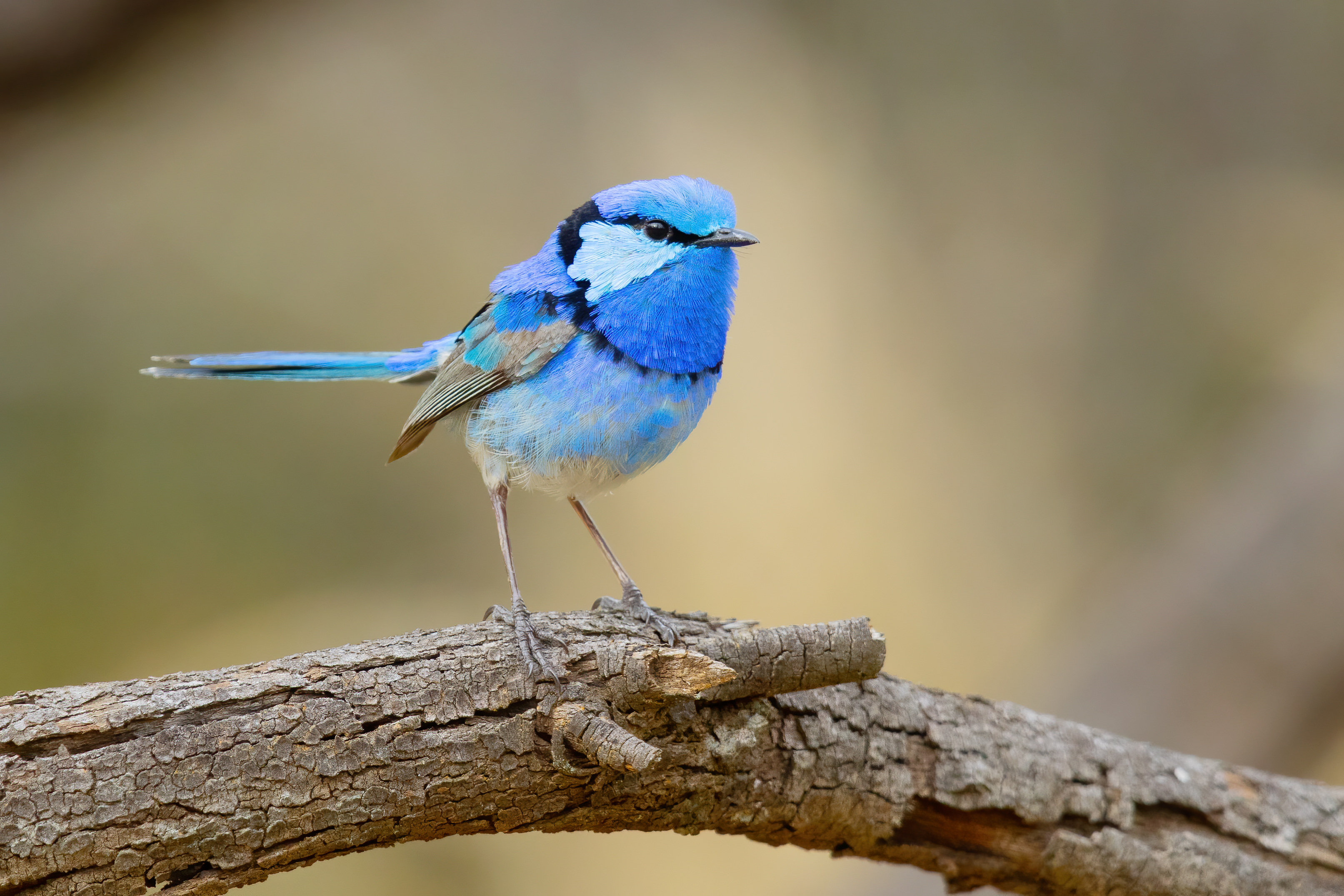
are small, insectivorous passerines with striking plumage, particularly in
males during the breeding season. The coloration varies by species, but they
typically exhibit a combination of blues, blacks, and browns, with intricate
patterns on their feathers. Females and juveniles tend to have more subdued
colors.
History
The Fairy
Wren has a rich history, deeply entwined with the indigenous cultures of
Australia. Aboriginal Australians have often integrated these birds into their
folklore and cultural practices, considering them as symbols of vitality,
grace, and the natural world's interconnectedness.
Behavior
Social
Structure: Fairy Wrens are known for their complex social structures. They
often live in family groups, where only the dominant male and female breed.
Other members assist in raising their offspring.
Foraging:
These birds are highly active foragers, primarily feeding on insects and
spiders. They are skilled at gleaning prey from foliage and the ground.
Vocalizations:
Fairy Wrens are accomplished singers, with males in particular known for their
melodious calls. They use these vocalizations to establish territories and
communicate with other members of their group.
Health
Fairy Wrens
are generally hardy birds. However, they can be susceptible to common avian
ailments like mites, respiratory infections, and gastrointestinal issues.
Regular health check-ups and a balanced diet are essential to their well-being.
Nutrition
Their diet
mainly consists of insects, spiders, and occasionally small fruits. Providing a
diverse diet is crucial for their health, and in captivity, this may include
insects, mealworms, and a variety of fruits and vegetables.
Grooming
Fairy Wrens
engage in regular preening to maintain their feathers. They use their beaks to
clean and arrange their plumage, removing dirt, debris, and parasites.
Treatment
If a Fairy
Wren displays signs of illness, it's crucial to consult an avian veterinarian.
Professional care is necessary for diagnosing and treating any health issues
effectively.
Habitat
Fairy Wrens
are adaptable birds, found in a range of habitats from dense forests to arid
scrublands. They are particularly fond of areas with thick undergrowth, as it
provides both shelter and a bountiful source of insects.
Feeding
Their
foraging behavior involves meticulous searching through foliage, grasses, and
even the ground for insects and small arthropods. They use their fine bills to
pick out prey.
Breeding
Breeding
season varies depending on the species and region. During courtship, males
perform vibrant displays, showcasing their colorful plumage. Once a pair forms
a bond, the female builds a nest, and both parents share incubation and
chick-rearing duties.
Conclusion
The Fairy
Wren, with its dazzling plumage and engaging behavior, is a testament to the
natural wonders of Australia and Papua New Guinea. As with any wildlife, it's
imperative to respect their habitats and, when appropriate, engage in
conservation efforts to ensure these captivating birds continue to thrive in
their native environments.
